

GIVE THE PERFECT GIFT
Erin Mills Town Centre Gift Cards are the perfect choice for your gift giving needs.Purchase gift cards at kiosks near the food court or centre court, at Guest Services, or click below to purchase online.PURCHASE HEREHome
Alexander Histories and Iranian Reflections: Remnants of Propaganda and Resistance
Indigo
Loading Inventory...
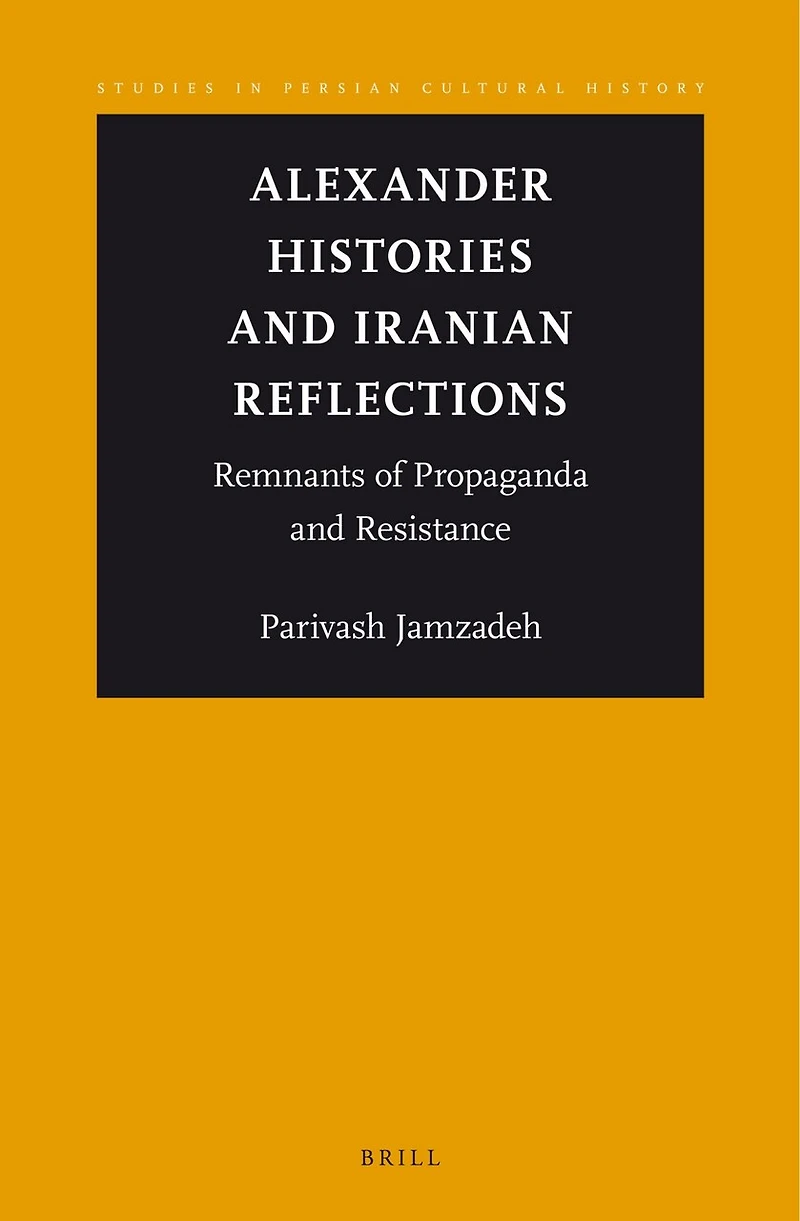
Alexander Histories and Iranian Reflections: Remnants of Propaganda and Resistance
Current price: $216.99

Alexander Histories and Iranian Reflections: Remnants of Propaganda and Resistance
Current price: $216.99
Loading Inventory...
Size: Hardcover
*Product information may vary - to confirm product availability, pricing, shipping and return information please contact Indigo
Alexander the Great’s military campaign to conquer the Achaemenid empire included a propaganda campaign to convince the Iranians his kingship was compatible with their religious and cultural norms. This campaign proved so successful that the overt display of Alexander’s Iranian and Zoroastrian preferences alienated some of his Greek and Macedonian allies. Parivash Jamzadeh shows how this original propaganda material displayed multiple layers of Iranian influences. Additionally she demonstrates that the studied sources do not always offer an accurate account of the contemporary Iranian customs, and occasionally included historical inaccuracies.
One of the most interesting finds in this study is the confusion of historical sources that arose between the opponents Darius III and Alexander. Jamzadeh argues that the Iranian propaganda regarding Alexander the Great has contributed to this confusion.
Alexander the Great’s military campaign to conquer the Achaemenid empire included a propaganda campaign to convince the Iranians his kingship was compatible with their religious and cultural norms. This campaign proved so successful that the overt display of Alexander’s Iranian and Zoroastrian preferences alienated some of his Greek and Macedonian allies. Parivash Jamzadeh shows how this original propaganda material displayed multiple layers of Iranian influences. Additionally she demonstrates that the studied sources do not always offer an accurate account of the contemporary Iranian customs, and occasionally included historical inaccuracies.
One of the most interesting finds in this study is the confusion of historical sources that arose between the opponents Darius III and Alexander. Jamzadeh argues that the Iranian propaganda regarding Alexander the Great has contributed to this confusion.
You May Also Like







More About Indigo at Erin Mills Town Centre
The largest book retailer in Canada also offers toys, music, home décor, gifts and lifestyle products. What's Inside...Books, Magazines, CD’s and DVD’s, Toys and Gifts, Home Accents, Electronics, Baby’s and Children’s Section, Bath and Body, Kitchen and Bedroom, Stationary Located outside in the exterior plaza.
5015 Glen Erin Dr, Mississauga, ON L5M 0R7, Canada
Find Indigo at Erin Mills Town Centre in Mississauga ON
Visit Indigo at Erin Mills Town Centre in Mississauga ON