

GIVE THE PERFECT GIFT
Erin Mills Town Centre Gift Cards are the perfect choice for your gift giving needs.Purchase gift cards at kiosks near the food court or centre court, at Guest Services, or click below to purchase online.PURCHASE HEREHome
Alexander Kluge: The Dragonfly's Eye: My Virtual Camera (AI)
Indigo
Loading Inventory...
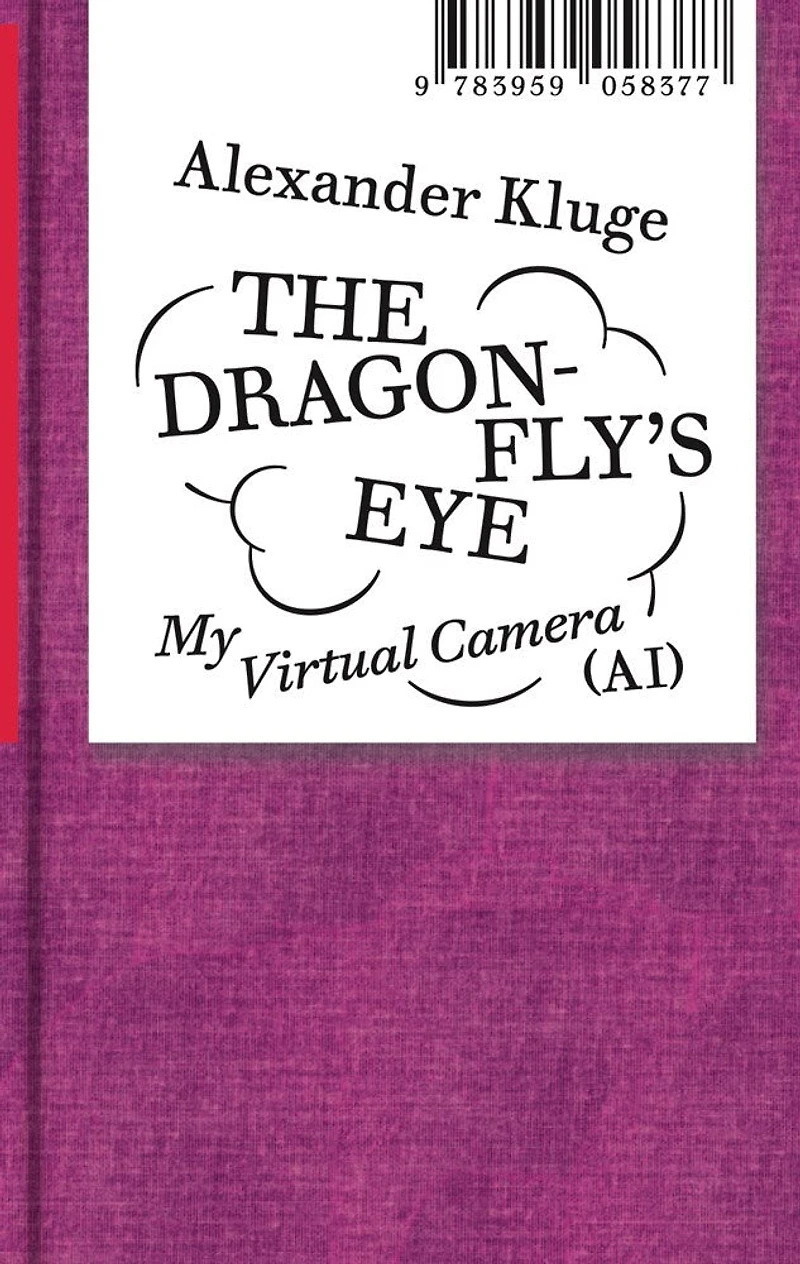
Alexander Kluge: The Dragonfly's Eye: My Virtual Camera (AI)
Current price: $52.50

Alexander Kluge: The Dragonfly's Eye: My Virtual Camera (AI)
Current price: $52.50
Loading Inventory...
Size: Hardcover
*Product information may vary - to confirm product availability, pricing, shipping and return information please contact Indigo
The figurehead of New German Cinema meditates on the next leap forward in visual aesthetics In The Dragonfly’s Eye , author and filmmaker Alexander Kluge (born 1932) tests out the cooperative capacities of the Stable Diffusion model, which uses AI to process images. As a filmmaker, he has years of experience dealing with the camera and its ways of seeing. As a result, he is particularly curious about the different images that AI can generate. Here, Kluge reflects on the idiosyncrasies of these new types of images, in which chance factors and errors create subjective forms, resulting in open images that are hard to place. He establishes rules for using the “virtual camera” and thus contributes to a debate on how AI should be handled. In a series of stories combining images and text—ranging from cases of phantom pregnancy in East Germany to the mercenary Yevgeny Prigozhin—he examines how the “virtual camera” uncovers a new lens within which stories can be framed.
The figurehead of New German Cinema meditates on the next leap forward in visual aesthetics In The Dragonfly’s Eye , author and filmmaker Alexander Kluge (born 1932) tests out the cooperative capacities of the Stable Diffusion model, which uses AI to process images. As a filmmaker, he has years of experience dealing with the camera and its ways of seeing. As a result, he is particularly curious about the different images that AI can generate. Here, Kluge reflects on the idiosyncrasies of these new types of images, in which chance factors and errors create subjective forms, resulting in open images that are hard to place. He establishes rules for using the “virtual camera” and thus contributes to a debate on how AI should be handled. In a series of stories combining images and text—ranging from cases of phantom pregnancy in East Germany to the mercenary Yevgeny Prigozhin—he examines how the “virtual camera” uncovers a new lens within which stories can be framed.
You May Also Like










More About Indigo at Erin Mills Town Centre
The largest book retailer in Canada also offers toys, music, home décor, gifts and lifestyle products. What's Inside...Books, Magazines, CD’s and DVD’s, Toys and Gifts, Home Accents, Electronics, Baby’s and Children’s Section, Bath and Body, Kitchen and Bedroom, Stationary Located outside in the exterior plaza.
5015 Glen Erin Dr, Mississauga, ON L5M 0R7, Canada
Find Indigo at Erin Mills Town Centre in Mississauga ON
Visit Indigo at Erin Mills Town Centre in Mississauga ON