

GIVE THE PERFECT GIFT
Erin Mills Town Centre Gift Cards are the perfect choice for your gift giving needs.Purchase gift cards at kiosks near the food court or centre court, at Guest Services, or click below to purchase online.PURCHASE HEREHome
Alter-Native Constitutionalism: Common-ing ‘Common' Law, Transforming Property in South Africa
Indigo
Loading Inventory...
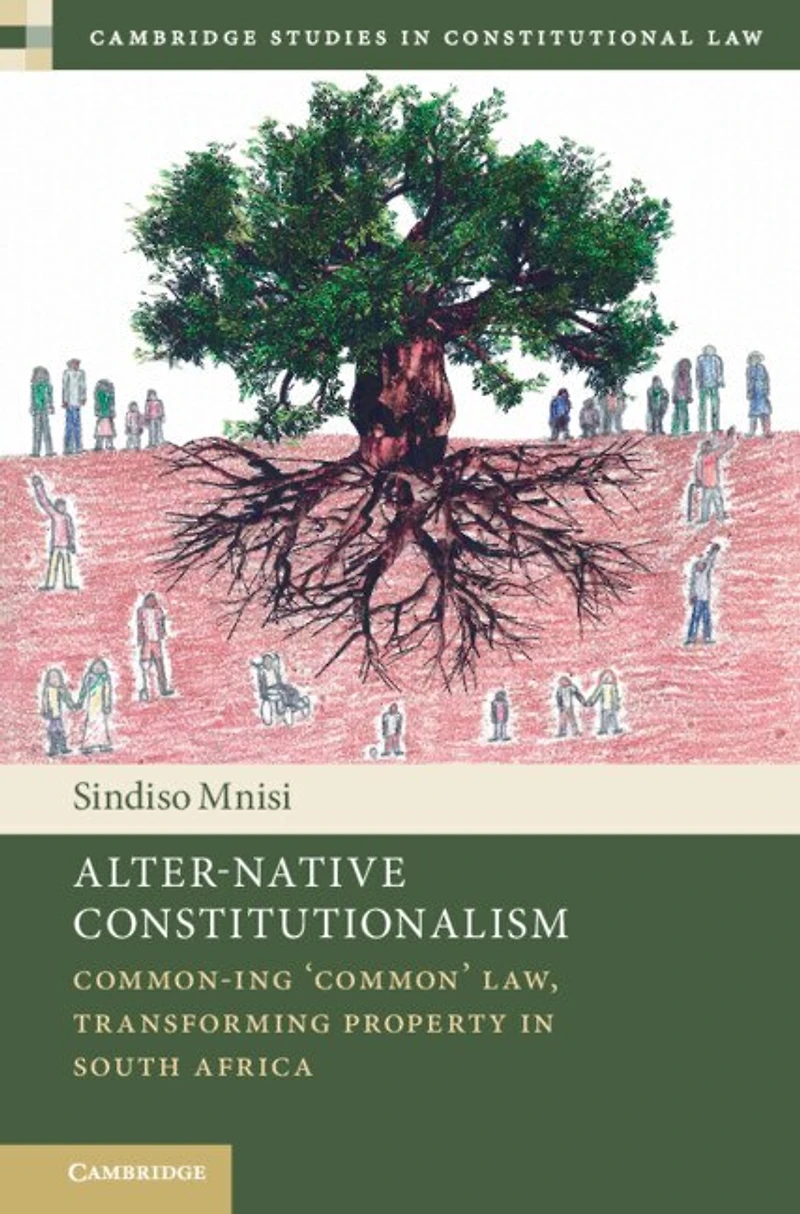
Alter-Native Constitutionalism: Common-ing ‘Common' Law, Transforming Property in South Africa
Current price: $172.95

Alter-Native Constitutionalism: Common-ing ‘Common' Law, Transforming Property in South Africa
Current price: $172.95
Loading Inventory...
Size: Hardcover
*Product information may vary - to confirm product availability, pricing, shipping and return information please contact Indigo
South Africa presents the perplexing paradox of arguably having the most progressive Constitution in the world, marked by full-throated socio-economic rights protection, while also being one of the most unequal countries in the world. This book takes seriously increasing sociopolitical challenges to the legitimacy of South Africa's post-apartheid legal order and scorching critiques of the constitutional settlement, against which many in the legal establishment bristle. Sindiso Mnisi develops 'Alter-Native Constitutionalism,' which is distinguished by equitable amalgamation of customary and common law with vernacular (or 'living') law, as a more compelling and just model for South Africa to adopt in its future than the legal pluralism that largely represents the afterlives of colonialism. This book draws on and contributes to international debates about the role of law in decolonising post-colonial orders and economic redistribution, addressing issues of poverty and inequality, gender, race, indigeneity, and customary vs vernacular law.
South Africa presents the perplexing paradox of arguably having the most progressive Constitution in the world, marked by full-throated socio-economic rights protection, while also being one of the most unequal countries in the world. This book takes seriously increasing sociopolitical challenges to the legitimacy of South Africa's post-apartheid legal order and scorching critiques of the constitutional settlement, against which many in the legal establishment bristle. Sindiso Mnisi develops 'Alter-Native Constitutionalism,' which is distinguished by equitable amalgamation of customary and common law with vernacular (or 'living') law, as a more compelling and just model for South Africa to adopt in its future than the legal pluralism that largely represents the afterlives of colonialism. This book draws on and contributes to international debates about the role of law in decolonising post-colonial orders and economic redistribution, addressing issues of poverty and inequality, gender, race, indigeneity, and customary vs vernacular law.
You May Also Like











More About Indigo at Erin Mills Town Centre
The largest book retailer in Canada also offers toys, music, home décor, gifts and lifestyle products. What's Inside...Books, Magazines, CD’s and DVD’s, Toys and Gifts, Home Accents, Electronics, Baby’s and Children’s Section, Bath and Body, Kitchen and Bedroom, Stationary Located outside in the exterior plaza.
5015 Glen Erin Dr, Mississauga, ON L5M 0R7, Canada
Find Indigo at Erin Mills Town Centre in Mississauga ON
Visit Indigo at Erin Mills Town Centre in Mississauga ON