

GIVE THE PERFECT GIFT
Erin Mills Town Centre Gift Cards are the perfect choice for your gift giving needs.Purchase gift cards at kiosks near the food court or centre court, at Guest Services, or click below to purchase online.PURCHASE HEREHome
Amazonian Quichua Language and Life: Introduction to Grammar, Ecology, Discourse from Pastaza Upper Napo, Ecuado: Ecuador
Indigo
Loading Inventory...
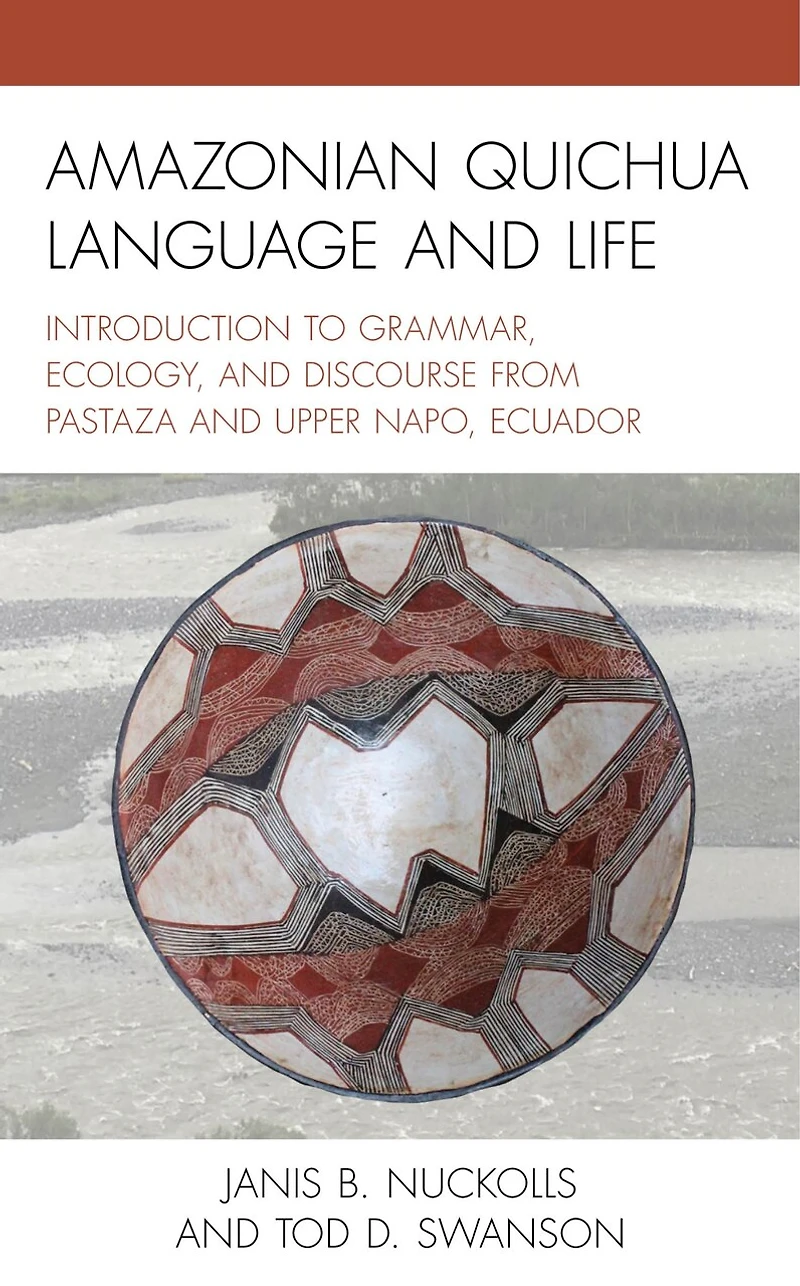
Amazonian Quichua Language and Life: Introduction to Grammar, Ecology, Discourse from Pastaza Upper Napo, Ecuado: Ecuador
Current price: $168.00

Amazonian Quichua Language and Life: Introduction to Grammar, Ecology, Discourse from Pastaza Upper Napo, Ecuado: Ecuador
Current price: $168.00
Loading Inventory...
Size: Hardcover
*Product information may vary - to confirm product availability, pricing, shipping and return information please contact Indigo
In Amazonian Quichua Language and Life: Introduction to Grammar, Ecology, and Discourse from Pastaza and Upper Napo, Janis B. Nuckolls and Tod D. Swanson discuss two varieties of Quichua, an indigenous Ecuadorian language. Drawing on their linguistic and anthropological knowledge, extensive fieldwork, and personal relationships with generations of speakers from Pastaza and Napo communities, the authors open a door into worlds of intimate meaning that knowledge of Quichua makes accessible. Nuckolls and Swanson link grammatical lessons with examples of naturally occurring discourse, traditional narratives, conversations, songs, and personal experiences to teach readers about the languages' structures and discourse patterns and speakers' sensory depictions, ecological aesthetics, and emotional perspectives.
In Amazonian Quichua Language and Life: Introduction to Grammar, Ecology, and Discourse from Pastaza and Upper Napo, Janis B. Nuckolls and Tod D. Swanson discuss two varieties of Quichua, an indigenous Ecuadorian language. Drawing on their linguistic and anthropological knowledge, extensive fieldwork, and personal relationships with generations of speakers from Pastaza and Napo communities, the authors open a door into worlds of intimate meaning that knowledge of Quichua makes accessible. Nuckolls and Swanson link grammatical lessons with examples of naturally occurring discourse, traditional narratives, conversations, songs, and personal experiences to teach readers about the languages' structures and discourse patterns and speakers' sensory depictions, ecological aesthetics, and emotional perspectives.
You May Also Like







More About Indigo at Erin Mills Town Centre
The largest book retailer in Canada also offers toys, music, home décor, gifts and lifestyle products. What's Inside...Books, Magazines, CD’s and DVD’s, Toys and Gifts, Home Accents, Electronics, Baby’s and Children’s Section, Bath and Body, Kitchen and Bedroom, Stationary Located outside in the exterior plaza.
5015 Glen Erin Dr, Mississauga, ON L5M 0R7, Canada
Find Indigo at Erin Mills Town Centre in Mississauga ON
Visit Indigo at Erin Mills Town Centre in Mississauga ON