

GIVE THE PERFECT GIFT
Erin Mills Town Centre Gift Cards are the perfect choice for your gift giving needs.Purchase gift cards at kiosks near the food court or centre court, at Guest Services, or click below to purchase online.PURCHASE HEREHome
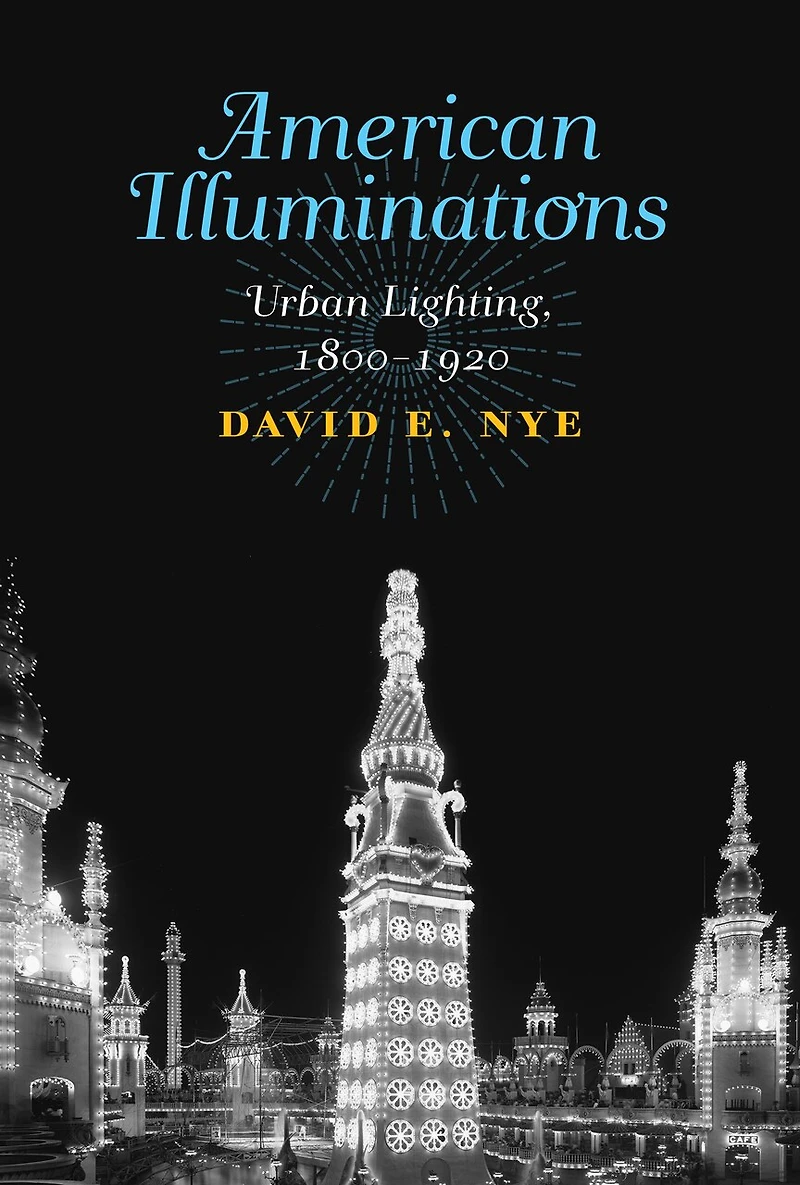
American Illuminations: Urban Lighting, 1800–1920
Indigo
Loading Inventory...
American Illuminations: Urban Lighting, 1800–1920
Current price: $40.00

American Illuminations: Urban Lighting, 1800–1920
Current price: $40.00
Loading Inventory...
Size: Hardcover
*Product information may vary - to confirm product availability, pricing, shipping and return information please contact Indigo
How Americans adapted European royal illuminations for patriotic celebrations, spectacular expositions, and intensely bright commercial lighting to create the world's most dazzling and glamorous cities.
Illuminated fêtes and civic celebrations began in Renaissance Italy and spread through the courts of Europe. Their fireworks, torches, lamps, and special effects glorified the monarch, marked the birth of a prince, or celebrated military victory. Nineteenth-century Americans rejected such monarchial pomp and adapted spectacular lighting to their democratic, commercial culture. In American Illuminations, David Nye explains how they experimented with gas and electric light to create illuminated cityscapes far brighter and more dynamic than those of Europe, and how these illuminations became symbols of modernity and the conquest of nature.
Americans used gaslight and electricity in parades, expositions, advertising, elections, and political spectacles. In the 1880s, cities erected powerful arc lights on towers to create artificial moonlight. By the 1890s they adopted more intensive, commercial lighting that defined distinct zones of light and glamorized the city's White Ways, skyscrapers, bridges, department stores, theaters, and dance halls. Poor and blighted areas disappeared into the shadows. American illuminations also became integral parts of national political campaigns, presidential inaugurations, and victory celebrations after the Spanish-American War and World War I.
How Americans adapted European royal illuminations for patriotic celebrations, spectacular expositions, and intensely bright commercial lighting to create the world's most dazzling and glamorous cities.
Illuminated fêtes and civic celebrations began in Renaissance Italy and spread through the courts of Europe. Their fireworks, torches, lamps, and special effects glorified the monarch, marked the birth of a prince, or celebrated military victory. Nineteenth-century Americans rejected such monarchial pomp and adapted spectacular lighting to their democratic, commercial culture. In American Illuminations, David Nye explains how they experimented with gas and electric light to create illuminated cityscapes far brighter and more dynamic than those of Europe, and how these illuminations became symbols of modernity and the conquest of nature.
Americans used gaslight and electricity in parades, expositions, advertising, elections, and political spectacles. In the 1880s, cities erected powerful arc lights on towers to create artificial moonlight. By the 1890s they adopted more intensive, commercial lighting that defined distinct zones of light and glamorized the city's White Ways, skyscrapers, bridges, department stores, theaters, and dance halls. Poor and blighted areas disappeared into the shadows. American illuminations also became integral parts of national political campaigns, presidential inaugurations, and victory celebrations after the Spanish-American War and World War I.
You May Also Like










More About Indigo at Erin Mills Town Centre
The largest book retailer in Canada also offers toys, music, home décor, gifts and lifestyle products. What's Inside...Books, Magazines, CD’s and DVD’s, Toys and Gifts, Home Accents, Electronics, Baby’s and Children’s Section, Bath and Body, Kitchen and Bedroom, Stationary Located outside in the exterior plaza.
5015 Glen Erin Dr, Mississauga, ON L5M 0R7, Canada
Find Indigo at Erin Mills Town Centre in Mississauga ON
Visit Indigo at Erin Mills Town Centre in Mississauga ON