

GIVE THE PERFECT GIFT
Erin Mills Town Centre Gift Cards are the perfect choice for your gift giving needs.Purchase gift cards at kiosks near the food court or centre court, at Guest Services, or click below to purchase online.PURCHASE HEREHome
An Analysis Of Francis Fukuyama's The End History And Last Man
Indigo
Loading Inventory...
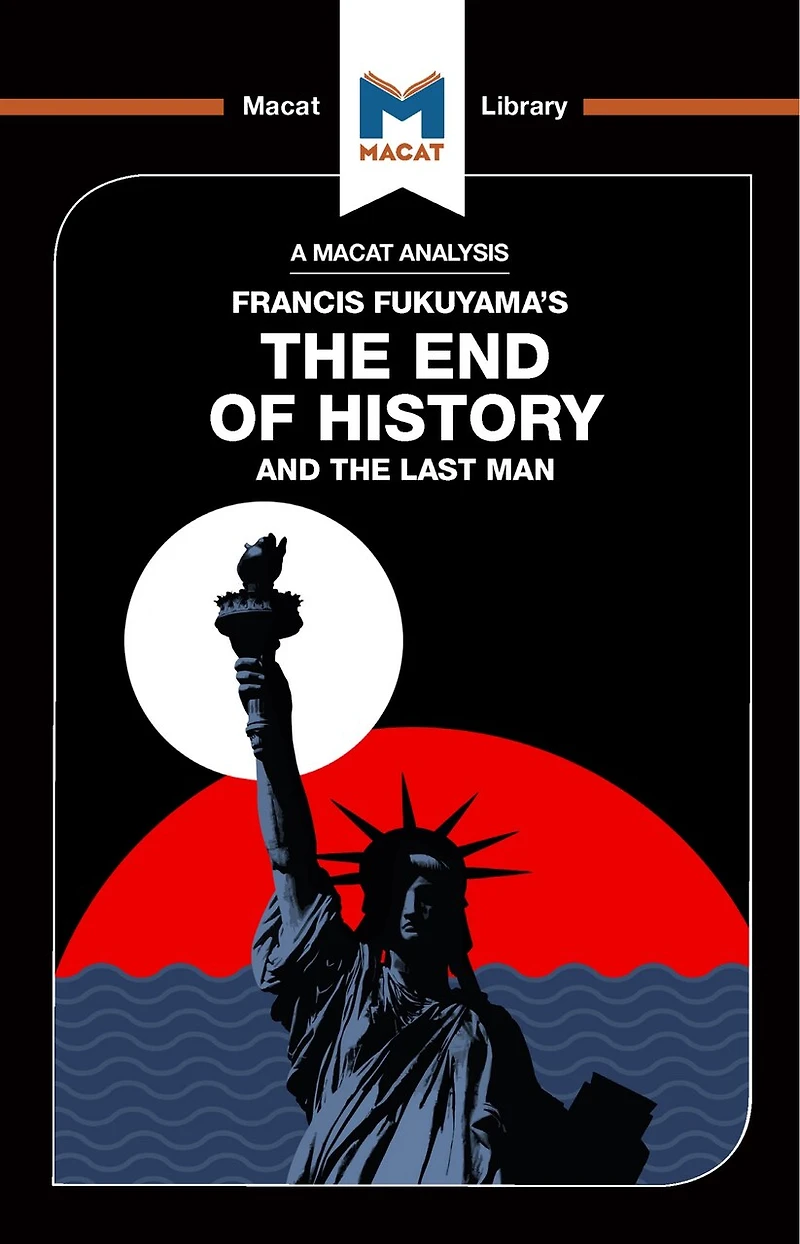
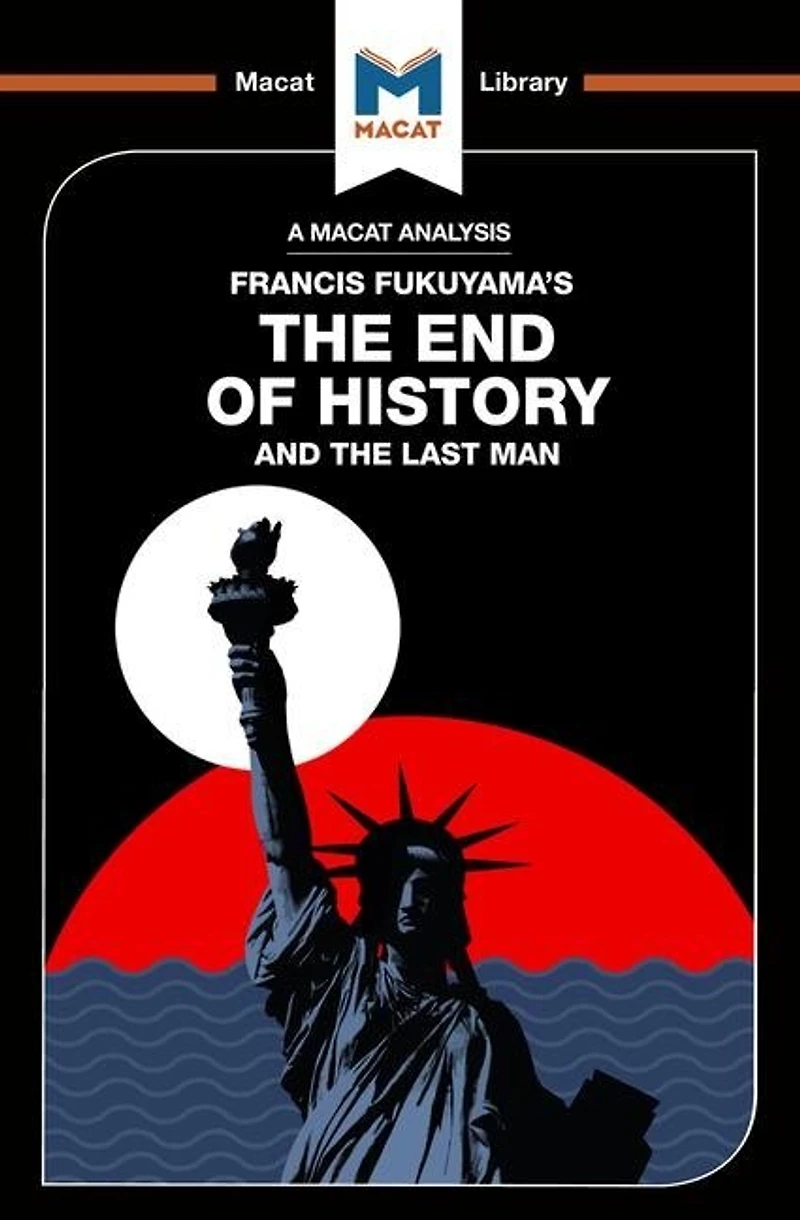
An Analysis Of Francis Fukuyama's The End History And Last Man
Current price: $39.95

An Analysis Of Francis Fukuyama's The End History And Last Man
Current price: $39.95
Loading Inventory...
Size: Hardcover
*Product information may vary - to confirm product availability, pricing, shipping and return information please contact Indigo
Francis Fukuyama's controversial 1992 book The End of History and the Last Man demonstrates an important aspect of creative thinking: the ability to generate hypotheses and create novel explanations for evidence. In the case of Fukuyama's work, the central hypothesis and explanation he put forward were not, in fact, new, but they were novel in the academic and historical context of the time. Fukuyama's central argument was that the end of the Cold War was a symptom of, and a vital waypoint in, a teleological progression of history. Interpreting history as "teleological" is to say that it is headed towards a final state, or end point: a state in which matters will reach an equilibrium in which things are as good as they can get. For Fukuyama, this would mean the end of "mankind's ideological evolution and the universalization of Western liberal democracy as the final form of human government". This grand theory, which sought to explain the end of the Cold War through a single overarching hypothesis, made the novel step of resurrecting the German philosopher G.W.F. Hegel's theory of history - which had long been ignored by practical historians and political philosophers - and applying it to current events.
Francis Fukuyama's controversial 1992 book The End of History and the Last Man demonstrates an important aspect of creative thinking: the ability to generate hypotheses and create novel explanations for evidence. In the case of Fukuyama's work, the central hypothesis and explanation he put forward were not, in fact, new, but they were novel in the academic and historical context of the time. Fukuyama's central argument was that the end of the Cold War was a symptom of, and a vital waypoint in, a teleological progression of history. Interpreting history as "teleological" is to say that it is headed towards a final state, or end point: a state in which matters will reach an equilibrium in which things are as good as they can get. For Fukuyama, this would mean the end of "mankind's ideological evolution and the universalization of Western liberal democracy as the final form of human government". This grand theory, which sought to explain the end of the Cold War through a single overarching hypothesis, made the novel step of resurrecting the German philosopher G.W.F. Hegel's theory of history - which had long been ignored by practical historians and political philosophers - and applying it to current events.
You May Also Like







More About Indigo at Erin Mills Town Centre
The largest book retailer in Canada also offers toys, music, home décor, gifts and lifestyle products. What's Inside...Books, Magazines, CD’s and DVD’s, Toys and Gifts, Home Accents, Electronics, Baby’s and Children’s Section, Bath and Body, Kitchen and Bedroom, Stationary Located outside in the exterior plaza.
5015 Glen Erin Dr, Mississauga, ON L5M 0R7, Canada
Find Indigo at Erin Mills Town Centre in Mississauga ON
Visit Indigo at Erin Mills Town Centre in Mississauga ON