

GIVE THE PERFECT GIFT
Erin Mills Town Centre Gift Cards are the perfect choice for your gift giving needs.Purchase gift cards at kiosks near the food court or centre court, at Guest Services, or click below to purchase online.PURCHASE HEREHome
An Analysis Of Hamid Dabashi's Iran: A People Interrupted
Indigo
Loading Inventory...
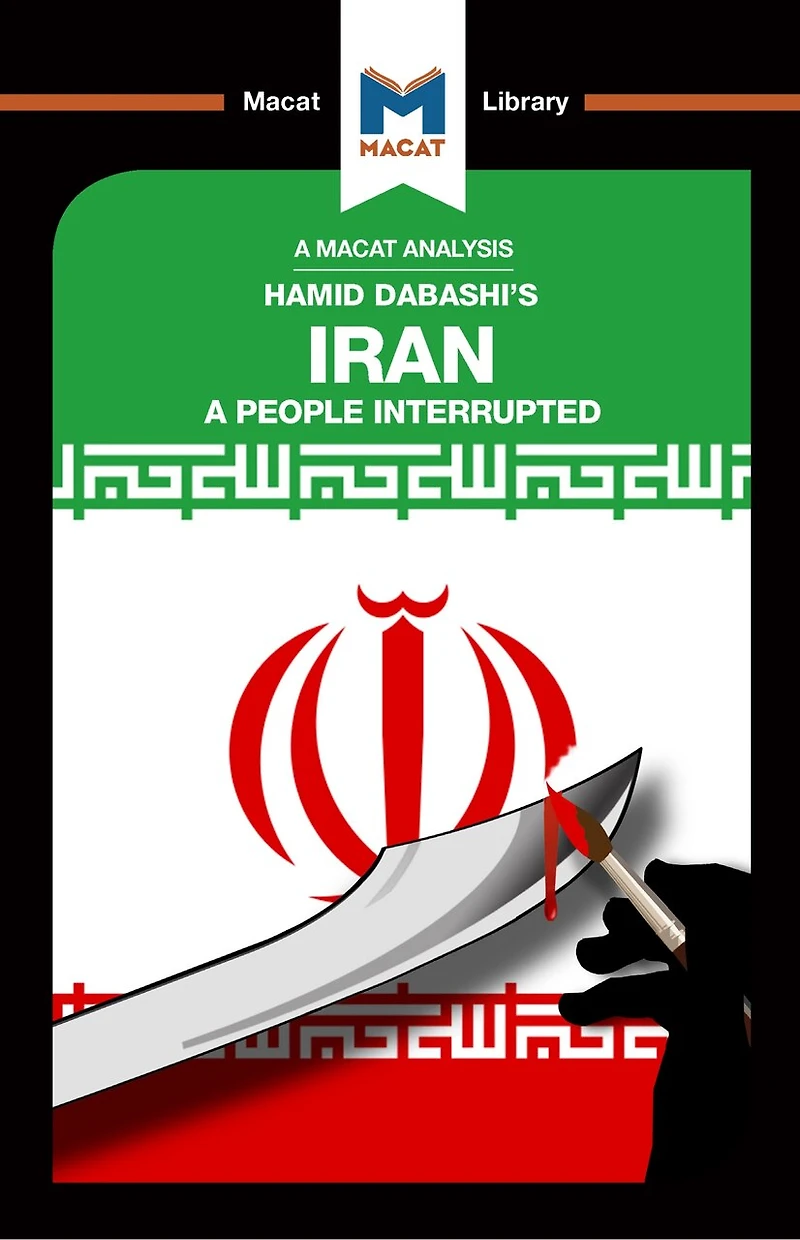
An Analysis Of Hamid Dabashi's Iran: A People Interrupted
Current price: $39.95

An Analysis Of Hamid Dabashi's Iran: A People Interrupted
Current price: $39.95
Loading Inventory...
Size: Hardcover
*Product information may vary - to confirm product availability, pricing, shipping and return information please contact Indigo
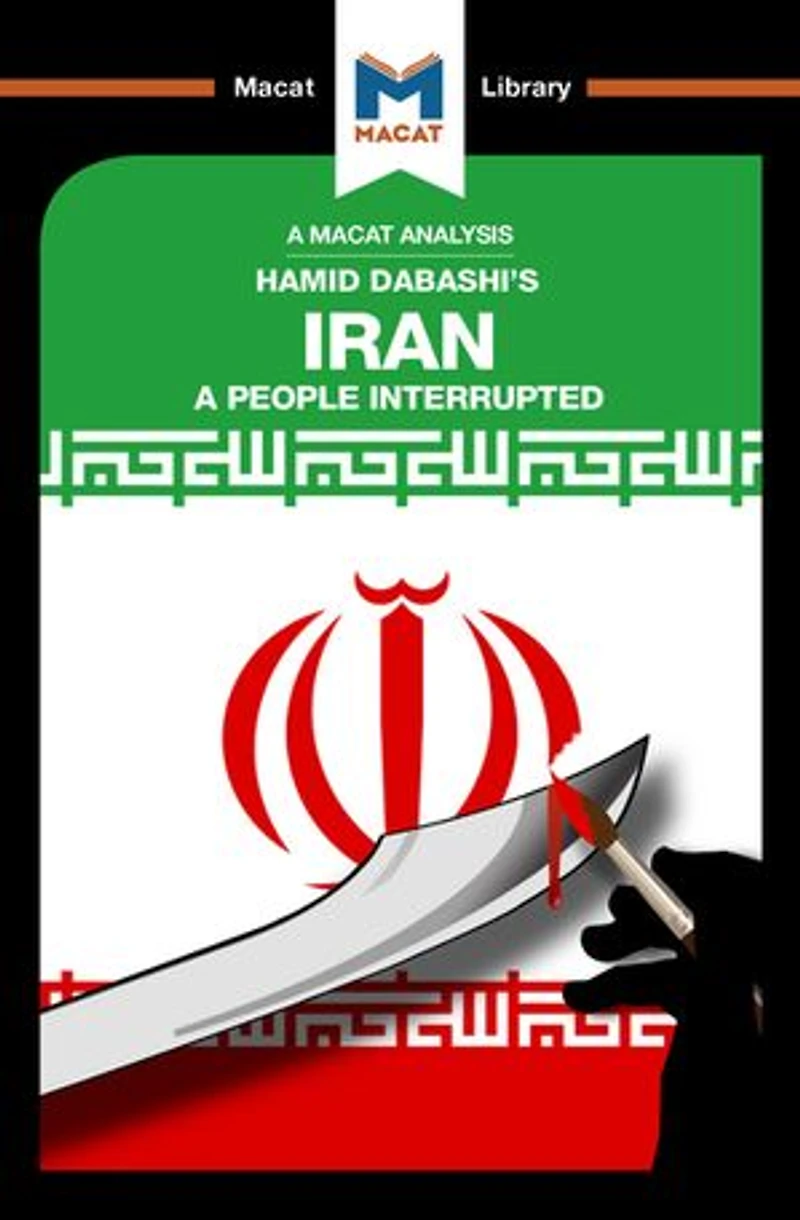
Hamid Dabashi's 2007 Iran: A People Interrupted is simultaneously subtle, passionate, polarizing and polemical. A concise account of Iranian history from the early 19th-century onward, Dabashi's book uses his incisive analytical skills as a basis for creating a persuasive argument against the views of Iran that predominate in the West. In Dabashi's view, Western approaches to Iran have been colored time and time again by the assumption that it is somehow trapped between regressive 'tradition,' and progressive 'modernity.' The reality, he argues, is quite the opposite: Iran has its own distinctive ideology of modernity, which is nevertheless opposed to many Western ideals. In order to prove his point, Dabashi draws on a lifetime's experience of literary criticism to analyse the relationship between Iran's intellectual and political elites over two centuries. His analysis provides the key evidence for his reasoning by teasing out the implicit assumptions that underly the texts and people he examines. Looking beneath the surface of the evidence, Dabashi finds - time and time again - the traces of a uniquely Iranian notion of modernity that is quite at odds with its Western counterpart.
Hamid Dabashi's 2007 Iran: A People Interrupted is simultaneously subtle, passionate, polarizing and polemical. A concise account of Iranian history from the early 19th-century onward, Dabashi's book uses his incisive analytical skills as a basis for creating a persuasive argument against the views of Iran that predominate in the West. In Dabashi's view, Western approaches to Iran have been colored time and time again by the assumption that it is somehow trapped between regressive 'tradition,' and progressive 'modernity.' The reality, he argues, is quite the opposite: Iran has its own distinctive ideology of modernity, which is nevertheless opposed to many Western ideals. In order to prove his point, Dabashi draws on a lifetime's experience of literary criticism to analyse the relationship between Iran's intellectual and political elites over two centuries. His analysis provides the key evidence for his reasoning by teasing out the implicit assumptions that underly the texts and people he examines. Looking beneath the surface of the evidence, Dabashi finds - time and time again - the traces of a uniquely Iranian notion of modernity that is quite at odds with its Western counterpart.
You May Also Like








More About Indigo at Erin Mills Town Centre
The largest book retailer in Canada also offers toys, music, home décor, gifts and lifestyle products. What's Inside...Books, Magazines, CD’s and DVD’s, Toys and Gifts, Home Accents, Electronics, Baby’s and Children’s Section, Bath and Body, Kitchen and Bedroom, Stationary Located outside in the exterior plaza.
5015 Glen Erin Dr, Mississauga, ON L5M 0R7, Canada
Find Indigo at Erin Mills Town Centre in Mississauga ON
Visit Indigo at Erin Mills Town Centre in Mississauga ON