

GIVE THE PERFECT GIFT
Erin Mills Town Centre Gift Cards are the perfect choice for your gift giving needs.Purchase gift cards at kiosks near the food court or centre court, at Guest Services, or click below to purchase online.PURCHASE HEREHome
An Anthropology of Nothing Particular
Indigo
Loading Inventory...
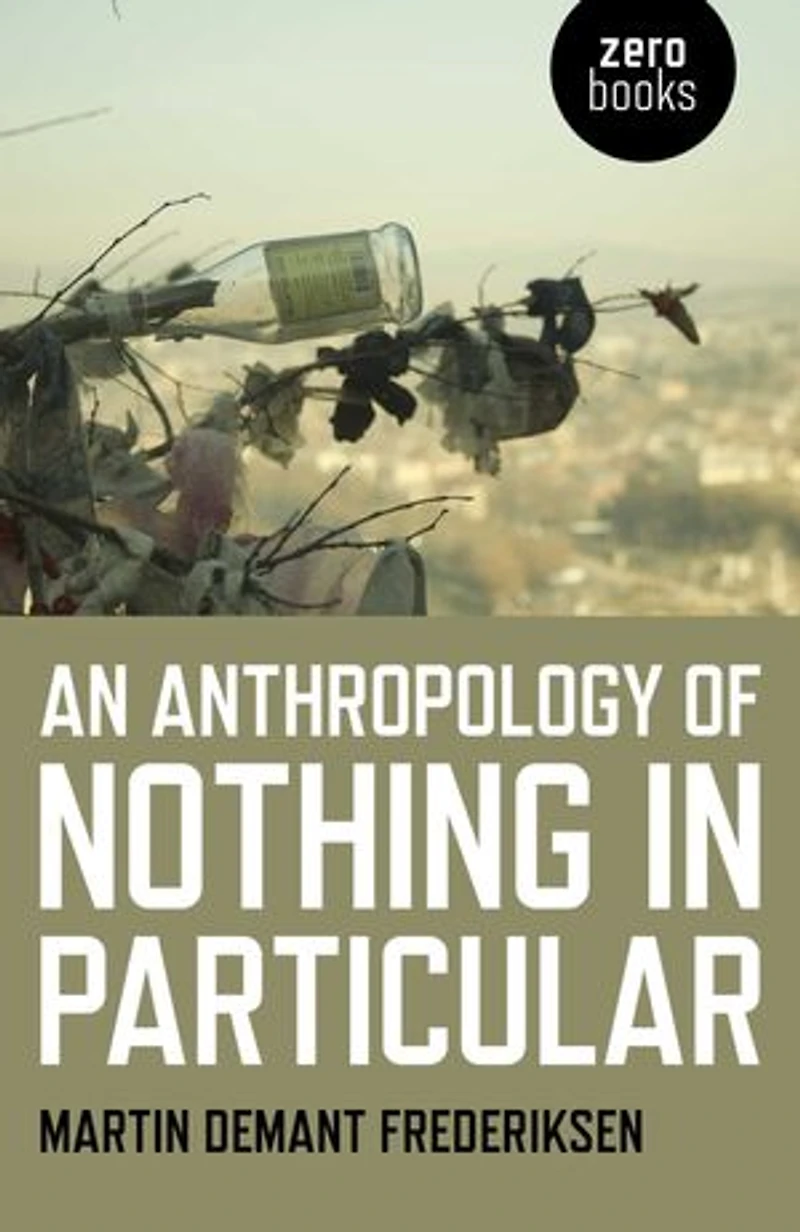
An Anthropology of Nothing Particular
Current price: $12.99

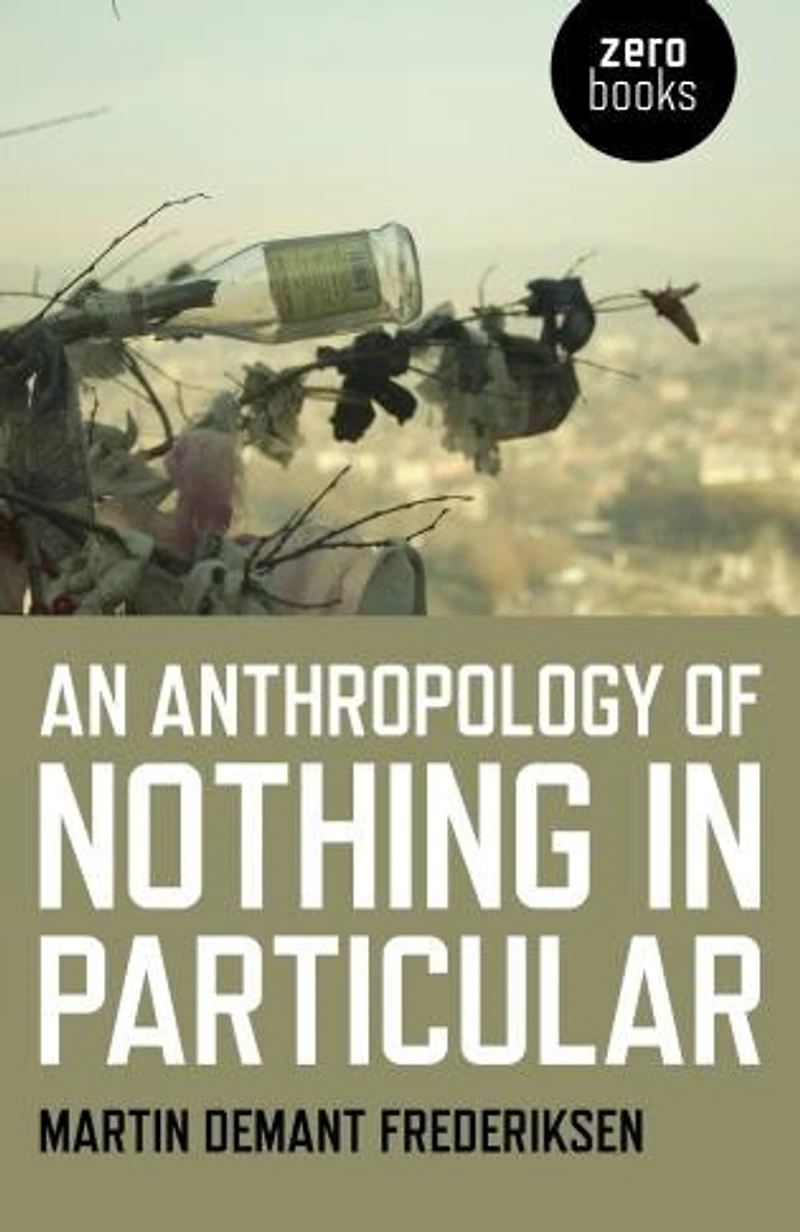
An Anthropology of Nothing Particular
Current price: $12.99
Loading Inventory...
Size: Kobo eBook
*Product information may vary - to confirm product availability, pricing, shipping and return information please contact Indigo
There have been claims that meaninglessness has become epidemic in the contemporary world. One perceived consequence of this is that people increasingly turn against both society and the political establishment with little concern for the content (or lack of content) that might follow. Most often, encounters with meaninglessness and nothingness are seen as troubling. "Meaning" is generally seen as being a cornerstone of the human condition, as that which we strive towards. This was famously explored by Viktor Frankl in Man’s Search for Meaning in which he showed how even in the direst of situations individuals will often seek to find a purpose in life. But what, then, is at stake when groups of people negate this position? What exactly goes on inside this apparent turn towards nothing, in the engagement with meaninglessness? And what happens if we take the meaningless seriously as an empirical fact?
There have been claims that meaninglessness has become epidemic in the contemporary world. One perceived consequence of this is that people increasingly turn against both society and the political establishment with little concern for the content (or lack of content) that might follow. Most often, encounters with meaninglessness and nothingness are seen as troubling. "Meaning" is generally seen as being a cornerstone of the human condition, as that which we strive towards. This was famously explored by Viktor Frankl in Man’s Search for Meaning in which he showed how even in the direst of situations individuals will often seek to find a purpose in life. But what, then, is at stake when groups of people negate this position? What exactly goes on inside this apparent turn towards nothing, in the engagement with meaninglessness? And what happens if we take the meaningless seriously as an empirical fact?
You May Also Like











More About Indigo at Erin Mills Town Centre
The largest book retailer in Canada also offers toys, music, home décor, gifts and lifestyle products. What's Inside...Books, Magazines, CD’s and DVD’s, Toys and Gifts, Home Accents, Electronics, Baby’s and Children’s Section, Bath and Body, Kitchen and Bedroom, Stationary Located outside in the exterior plaza.
5015 Glen Erin Dr, Mississauga, ON L5M 0R7, Canada
Find Indigo at Erin Mills Town Centre in Mississauga ON
Visit Indigo at Erin Mills Town Centre in Mississauga ON