

GIVE THE PERFECT GIFT
Erin Mills Town Centre Gift Cards are the perfect choice for your gift giving needs.Purchase gift cards at kiosks near the food court or centre court, at Guest Services, or click below to purchase online.PURCHASE HEREHome
An East Asian Route of Industrialization? The Case of Japan, 1868-1937
Indigo
Loading Inventory...
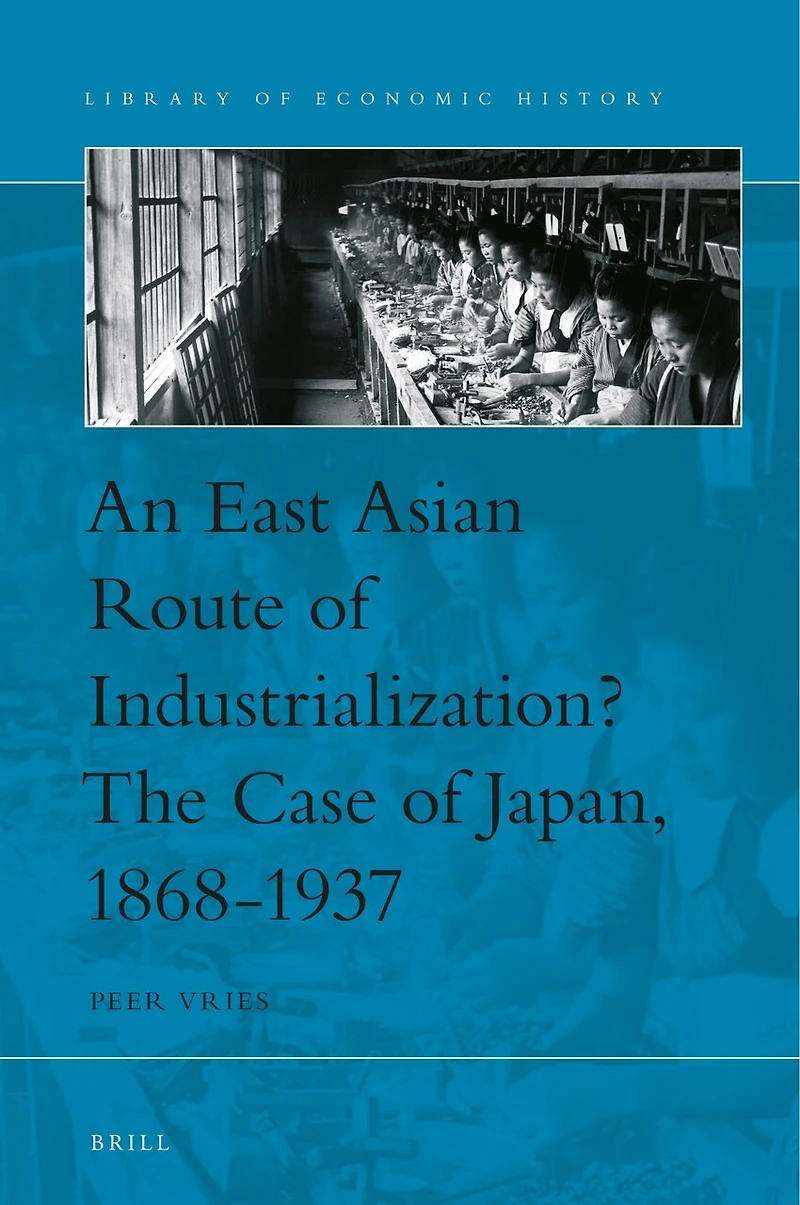
An East Asian Route of Industrialization? The Case of Japan, 1868-1937
Current price: $244.99

An East Asian Route of Industrialization? The Case of Japan, 1868-1937
Current price: $244.99
Loading Inventory...
Size: Hardcover
*Product information may vary - to confirm product availability, pricing, shipping and return information please contact Indigo
In this book Peer Vries is the first scholar to provide an extensive test of the claim that industrialization in East Asia, in particular in Japan between the Meiji Restoration and World War Two, would have been much more labour intensive than industrialization in the West. He does this by systematically comparing the role and importance of labour and capital in Japan and in a number of Western countries at a similar stage of their industrial development. He uses macro-economic data as well as specific observations by people at the time. It turns out that there is no reason to distinguish a specific labour-intensive Japanese route of industrialization. His comparative analysis provides us with a better understanding of the logic of industrialization in both West and East.
In this book Peer Vries is the first scholar to provide an extensive test of the claim that industrialization in East Asia, in particular in Japan between the Meiji Restoration and World War Two, would have been much more labour intensive than industrialization in the West. He does this by systematically comparing the role and importance of labour and capital in Japan and in a number of Western countries at a similar stage of their industrial development. He uses macro-economic data as well as specific observations by people at the time. It turns out that there is no reason to distinguish a specific labour-intensive Japanese route of industrialization. His comparative analysis provides us with a better understanding of the logic of industrialization in both West and East.
You May Also Like








More About Indigo at Erin Mills Town Centre
The largest book retailer in Canada also offers toys, music, home décor, gifts and lifestyle products. What's Inside...Books, Magazines, CD’s and DVD’s, Toys and Gifts, Home Accents, Electronics, Baby’s and Children’s Section, Bath and Body, Kitchen and Bedroom, Stationary Located outside in the exterior plaza.
5015 Glen Erin Dr, Mississauga, ON L5M 0R7, Canada
Find Indigo at Erin Mills Town Centre in Mississauga ON
Visit Indigo at Erin Mills Town Centre in Mississauga ON