

GIVE THE PERFECT GIFT
Erin Mills Town Centre Gift Cards are the perfect choice for your gift giving needs.Purchase gift cards at kiosks near the food court or centre court, at Guest Services, or click below to purchase online.PURCHASE HEREHome
An Economic History of the First German Unification: State Formation and Development a European Perspective
Indigo
Loading Inventory...
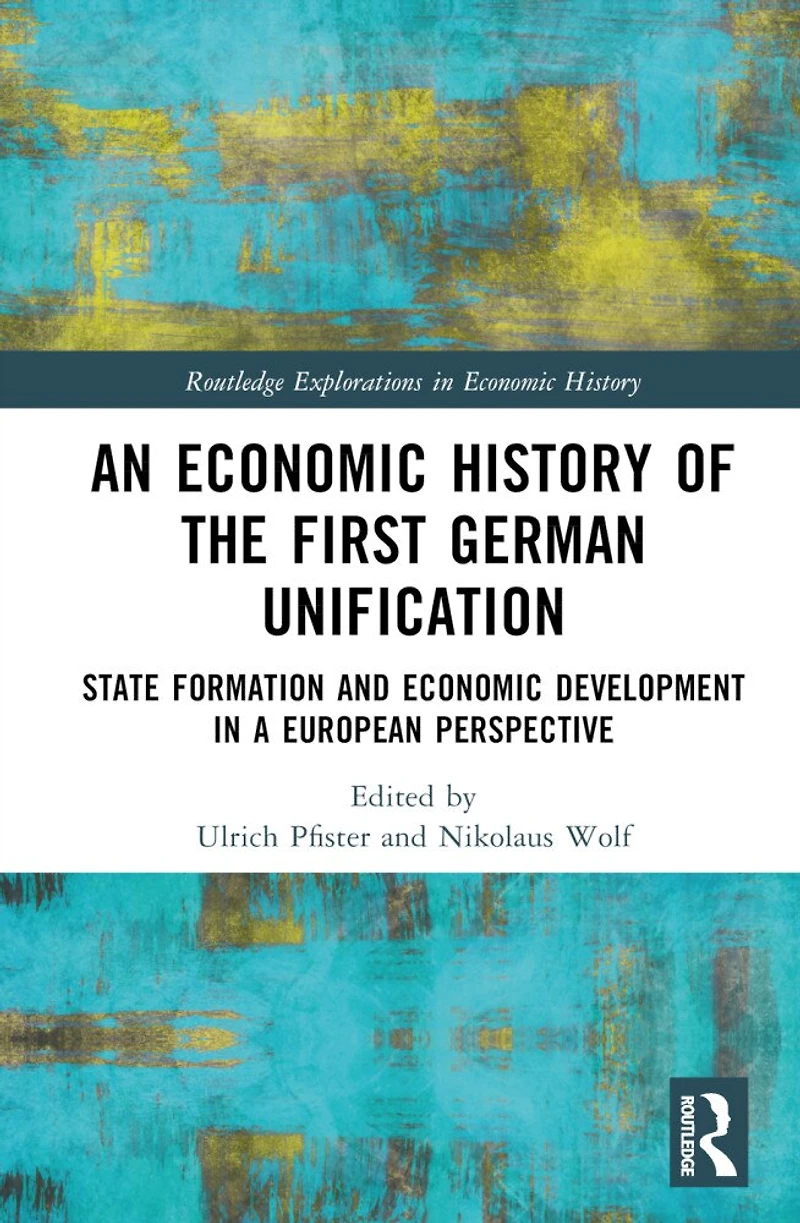
An Economic History of the First German Unification: State Formation and Development a European Perspective
Current price: $266.50

An Economic History of the First German Unification: State Formation and Development a European Perspective
Current price: $266.50
Loading Inventory...
Size: Hardcover
*Product information may vary - to confirm product availability, pricing, shipping and return information please contact Indigo
There is a striking chronological parallel between Germany's transition from a post-Malthusian regime to modern economic growth and the formation of a modern nation-state between the late 1860s and the early 1880s, which culminated in the events of 1871.The central question of this book is whether and how such state formation did in fact contribute to economic development. Twenty chapters written by leading experts in their respective fields deal with various aspects of the book's main question. Together, they identify three channels by which national unification contributed to Germany's economic development: (1) Creation of a nation-state completed a process of institutional Unification of a large inland area and thereby increased the integration of domestic markets. (2) Unification raised the capacity of the political system with respect to regulating complex domains, such as stock companies, patenting, and social insurance. (3) The emerging political regime of market-preserving federalism promoted the quality of economic institutions. Moreover, a set of chapters dealing with the experience of other European economies apart from Germany during the second half of the nineteenth century highlight additional factors in nineteenth-century economic development, most notably the first wave of modern globalization and economic geography. Readers interested in the history of state building and the economic history of Germany and of Europe in general during the age of industrialization and globalization and students of the economic effects of political integration and decentralized state growth will all gain much from this book.
There is a striking chronological parallel between Germany's transition from a post-Malthusian regime to modern economic growth and the formation of a modern nation-state between the late 1860s and the early 1880s, which culminated in the events of 1871.The central question of this book is whether and how such state formation did in fact contribute to economic development. Twenty chapters written by leading experts in their respective fields deal with various aspects of the book's main question. Together, they identify three channels by which national unification contributed to Germany's economic development: (1) Creation of a nation-state completed a process of institutional Unification of a large inland area and thereby increased the integration of domestic markets. (2) Unification raised the capacity of the political system with respect to regulating complex domains, such as stock companies, patenting, and social insurance. (3) The emerging political regime of market-preserving federalism promoted the quality of economic institutions. Moreover, a set of chapters dealing with the experience of other European economies apart from Germany during the second half of the nineteenth century highlight additional factors in nineteenth-century economic development, most notably the first wave of modern globalization and economic geography. Readers interested in the history of state building and the economic history of Germany and of Europe in general during the age of industrialization and globalization and students of the economic effects of political integration and decentralized state growth will all gain much from this book.
You May Also Like














More About Indigo at Erin Mills Town Centre
The largest book retailer in Canada also offers toys, music, home décor, gifts and lifestyle products. What's Inside...Books, Magazines, CD’s and DVD’s, Toys and Gifts, Home Accents, Electronics, Baby’s and Children’s Section, Bath and Body, Kitchen and Bedroom, Stationary Located outside in the exterior plaza.
5015 Glen Erin Dr, Mississauga, ON L5M 0R7, Canada
Find Indigo at Erin Mills Town Centre in Mississauga ON
Visit Indigo at Erin Mills Town Centre in Mississauga ON