

GIVE THE PERFECT GIFT
Erin Mills Town Centre Gift Cards are the perfect choice for your gift giving needs.Purchase gift cards at kiosks near the food court or centre court, at Guest Services, or click below to purchase online.PURCHASE HEREHome
An International Perspective On Economic Education
Indigo
Loading Inventory...
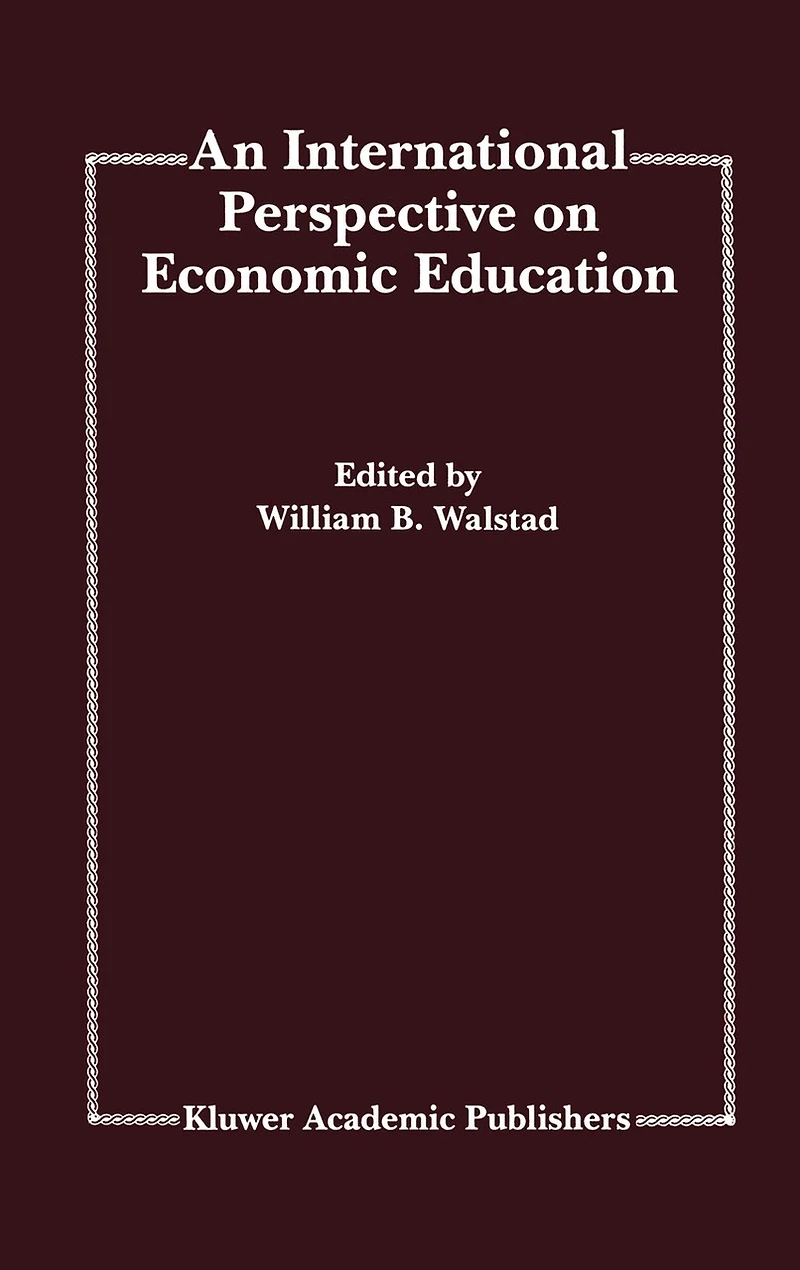
An International Perspective On Economic Education
Current price: $220.95

An International Perspective On Economic Education
Current price: $220.95
Loading Inventory...
Size: Hardcover
*Product information may vary - to confirm product availability, pricing, shipping and return information please contact Indigo
Economics is taught in some form in the secondary schools of nations throughout the world. The subject is rarely taught in elementary schools, and while economics courses are offered in universities, the majority of students end their formal education with secondary school. Thus, the best opportunity for the economic education of the youth of a nation occurs in secondary schools. This book examines economic education at this critical level of the educational system.
The teaching of economics in secondary schools varies across countries. These differences occur because of history, the structure of education, and other national factors. At the same time, there are common elements in the economic education of many countries, especially in content coverage. This contrast between the common features and the uniqueness of economic education in secondary schools of major industrial nations exemplifies the international perspective presented in this book.
The international perspective is developed in the six sections of the volume. The first section discusses why nations should include economics in school curricula, and presents a framework for teaching economics that should have global appeal. Dissension and consensus on economic issues among North American and European economists are examined in the second section. The third section surveys the U.S. research literature on precollege economic education and assesses the current state of economics instruction in U.S. schools. The economics curricula and educational practices in seven other nations -- the U.K., Canada, Japan, Germany, Austria, Korea, and Australia -- are described in the fourth and fifth sections. The fifth section also presents international comparisons of economic understanding based on national testing in six of those nations. The sixth and final section explores the role of economic education in centrally planned economies, and its effects on the transition to a market economy, using Russia, Bulgaria, and China as case studies.
Economics is taught in some form in the secondary schools of nations throughout the world. The subject is rarely taught in elementary schools, and while economics courses are offered in universities, the majority of students end their formal education with secondary school. Thus, the best opportunity for the economic education of the youth of a nation occurs in secondary schools. This book examines economic education at this critical level of the educational system.
The teaching of economics in secondary schools varies across countries. These differences occur because of history, the structure of education, and other national factors. At the same time, there are common elements in the economic education of many countries, especially in content coverage. This contrast between the common features and the uniqueness of economic education in secondary schools of major industrial nations exemplifies the international perspective presented in this book.
The international perspective is developed in the six sections of the volume. The first section discusses why nations should include economics in school curricula, and presents a framework for teaching economics that should have global appeal. Dissension and consensus on economic issues among North American and European economists are examined in the second section. The third section surveys the U.S. research literature on precollege economic education and assesses the current state of economics instruction in U.S. schools. The economics curricula and educational practices in seven other nations -- the U.K., Canada, Japan, Germany, Austria, Korea, and Australia -- are described in the fourth and fifth sections. The fifth section also presents international comparisons of economic understanding based on national testing in six of those nations. The sixth and final section explores the role of economic education in centrally planned economies, and its effects on the transition to a market economy, using Russia, Bulgaria, and China as case studies.
You May Also Like







More About Indigo at Erin Mills Town Centre
The largest book retailer in Canada also offers toys, music, home décor, gifts and lifestyle products. What's Inside...Books, Magazines, CD’s and DVD’s, Toys and Gifts, Home Accents, Electronics, Baby’s and Children’s Section, Bath and Body, Kitchen and Bedroom, Stationary Located outside in the exterior plaza.
5015 Glen Erin Dr, Mississauga, ON L5M 0R7, Canada
Find Indigo at Erin Mills Town Centre in Mississauga ON
Visit Indigo at Erin Mills Town Centre in Mississauga ON