

GIVE THE PERFECT GIFT
Erin Mills Town Centre Gift Cards are the perfect choice for your gift giving needs.Purchase gift cards at kiosks near the food court or centre court, at Guest Services, or click below to purchase online.PURCHASE HEREHome
Analytical Chemistry: An Introduction
Indigo
Loading Inventory...
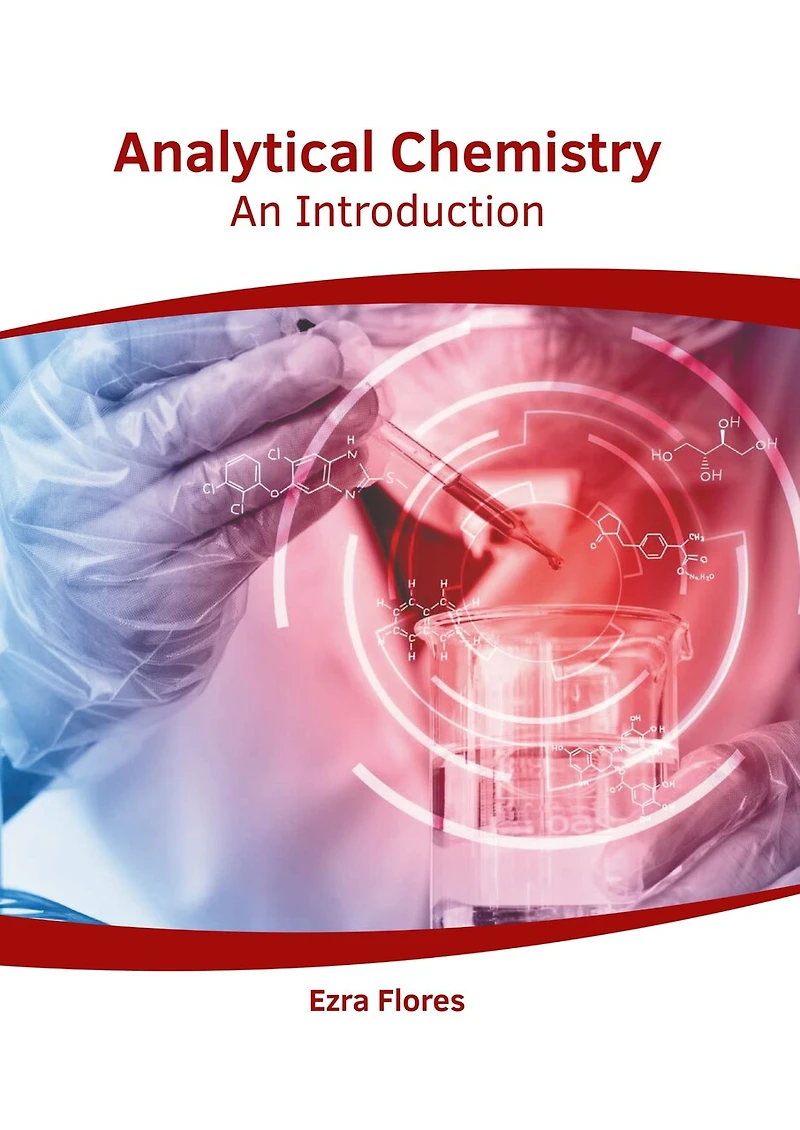
Analytical Chemistry: An Introduction
Current price: $195.00

Analytical Chemistry: An Introduction
Current price: $195.00
Loading Inventory...
Size: Hardcover
*Product information may vary - to confirm product availability, pricing, shipping and return information please contact Indigo
Analytical chemistry is the branch of chemistry that focuses on studying and utilizing instruments and methods for the separation, quantification, and identification of matter. This field can be categorized into classical and modern methods. Classical methods in analytical chemistry are categorized into qualitative analysis and quantitative analysis. Examples of these classical methods include flame tests, chemical tests, volumetric analysis, and gravimetric analysis. Instrumental methods comprise spectroscopy, mass spectrometry, microscopy, thermal analysis and electrochemical analysis. Analytical chemistry is applied across diverse fields such as environmental analysis, materials analysis, clinical analysis, forensic science, bioanalysis and clinical diagnostics. While understanding the long-term perspectives of the topics, the book makes an effort in highlighting their impact as a modern tool for the growth of the discipline. Those with an interest in the field of analytical chemistry would find this book helpful.
Analytical chemistry is the branch of chemistry that focuses on studying and utilizing instruments and methods for the separation, quantification, and identification of matter. This field can be categorized into classical and modern methods. Classical methods in analytical chemistry are categorized into qualitative analysis and quantitative analysis. Examples of these classical methods include flame tests, chemical tests, volumetric analysis, and gravimetric analysis. Instrumental methods comprise spectroscopy, mass spectrometry, microscopy, thermal analysis and electrochemical analysis. Analytical chemistry is applied across diverse fields such as environmental analysis, materials analysis, clinical analysis, forensic science, bioanalysis and clinical diagnostics. While understanding the long-term perspectives of the topics, the book makes an effort in highlighting their impact as a modern tool for the growth of the discipline. Those with an interest in the field of analytical chemistry would find this book helpful.
You May Also Like







More About Indigo at Erin Mills Town Centre
The largest book retailer in Canada also offers toys, music, home décor, gifts and lifestyle products. What's Inside...Books, Magazines, CD’s and DVD’s, Toys and Gifts, Home Accents, Electronics, Baby’s and Children’s Section, Bath and Body, Kitchen and Bedroom, Stationary Located outside in the exterior plaza.
5015 Glen Erin Dr, Mississauga, ON L5M 0R7, Canada
Find Indigo at Erin Mills Town Centre in Mississauga ON
Visit Indigo at Erin Mills Town Centre in Mississauga ON