

GIVE THE PERFECT GIFT
Erin Mills Town Centre Gift Cards are the perfect choice for your gift giving needs.Purchase gift cards at kiosks near the food court or centre court, at Guest Services, or click below to purchase online.PURCHASE HEREHome
Anarcho-blackness: Notes Toward A Black Anarchism
Indigo
Loading Inventory...
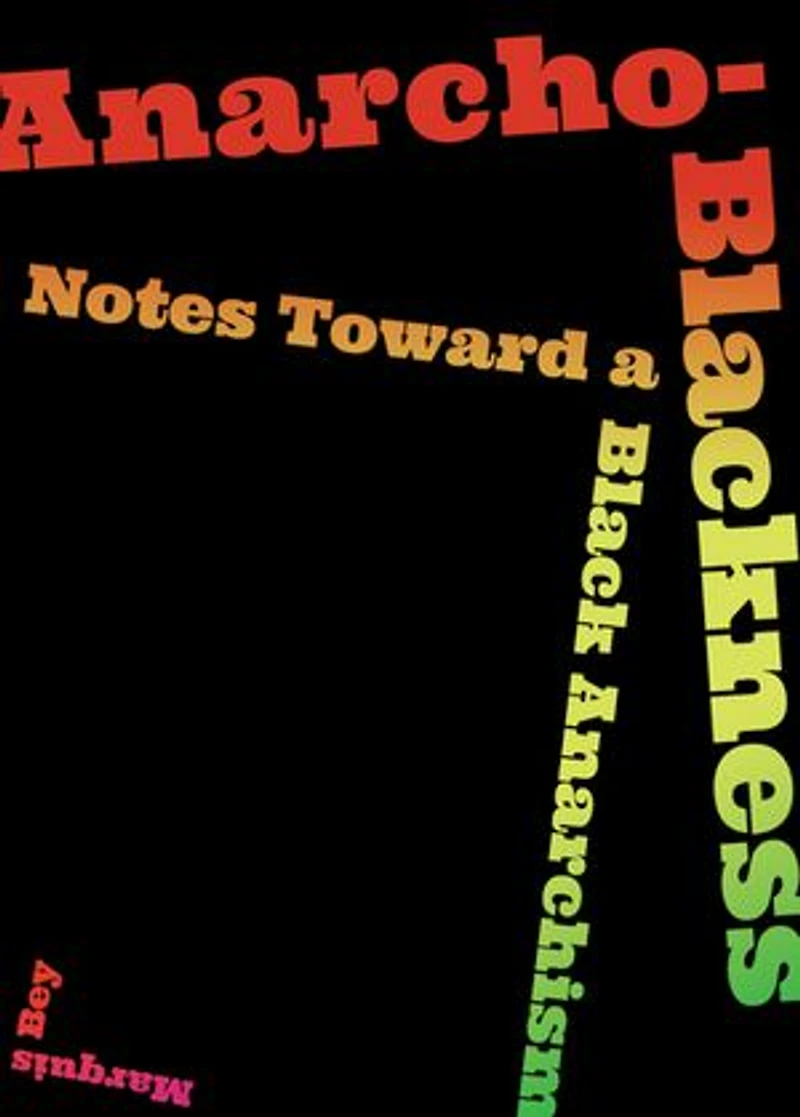
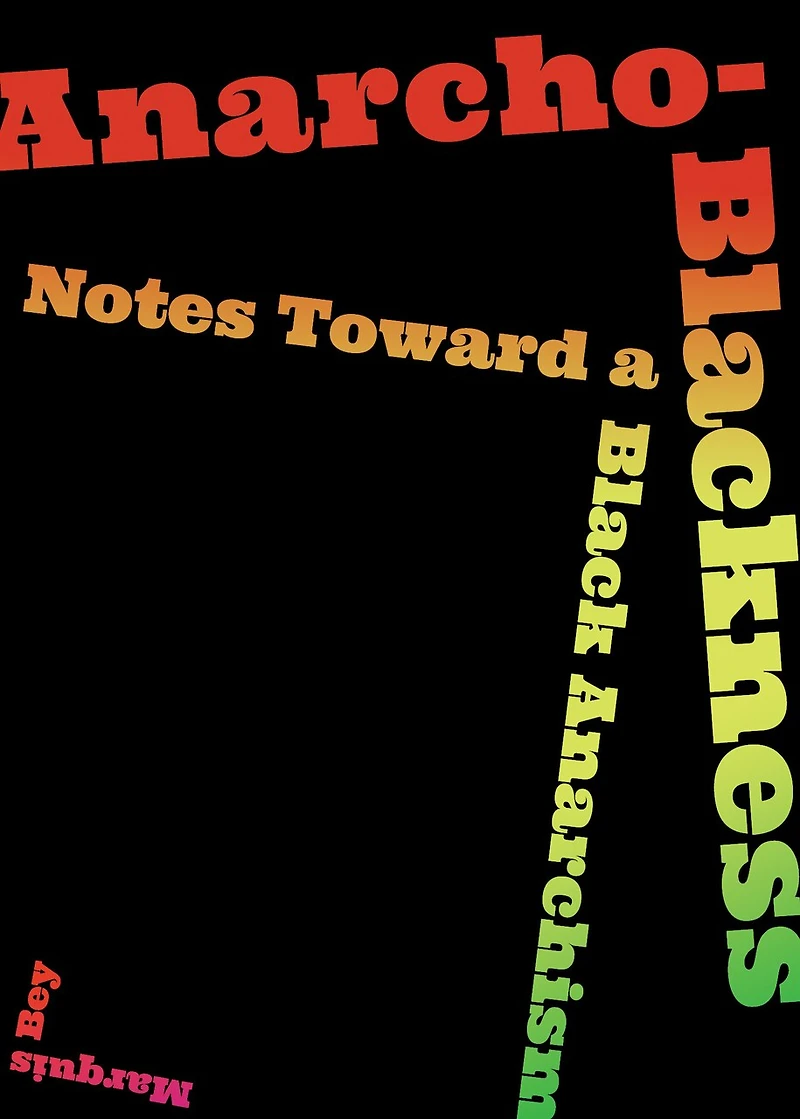
Anarcho-blackness: Notes Toward A Black Anarchism
Current price: $14.19
Original price: $17.63

Anarcho-blackness: Notes Toward A Black Anarchism
Current price: $14.19
Original price: $17.63
Loading Inventory...
Size: Kobo eBook
*Product information may vary - to confirm product availability, pricing, shipping and return information please contact Indigo
Anarcho-Blackness seeks to define the shape of a Black anarchism. Classical anarchism tended to avoid questions of race—specifically Blackness—as well as the intersections of race and gender. Bey addresses this lack, not by constructing a new cannon of Black anarchists but by outlining how anarchism and Blackness already share a certain subjective relationship to power, a way of understanding and inhabiting the world. Through the lens of Black feminist and transgender theory, he explores what we can learn by making this kinship explicit, including how anarchism itself is transformed by the encounter. If the state is predicated on a racialized and gendered capitalism, its undoing can only be imagined and undertaken by a political theory that takes race and gender seriously.
Anarcho-Blackness seeks to define the shape of a Black anarchism. Classical anarchism tended to avoid questions of race—specifically Blackness—as well as the intersections of race and gender. Bey addresses this lack, not by constructing a new cannon of Black anarchists but by outlining how anarchism and Blackness already share a certain subjective relationship to power, a way of understanding and inhabiting the world. Through the lens of Black feminist and transgender theory, he explores what we can learn by making this kinship explicit, including how anarchism itself is transformed by the encounter. If the state is predicated on a racialized and gendered capitalism, its undoing can only be imagined and undertaken by a political theory that takes race and gender seriously.
You May Also Like











More About Indigo at Erin Mills Town Centre
The largest book retailer in Canada also offers toys, music, home décor, gifts and lifestyle products. What's Inside...Books, Magazines, CD’s and DVD’s, Toys and Gifts, Home Accents, Electronics, Baby’s and Children’s Section, Bath and Body, Kitchen and Bedroom, Stationary Located outside in the exterior plaza.
5015 Glen Erin Dr, Mississauga, ON L5M 0R7, Canada
Find Indigo at Erin Mills Town Centre in Mississauga ON
Visit Indigo at Erin Mills Town Centre in Mississauga ON