

GIVE THE PERFECT GIFT
Erin Mills Town Centre Gift Cards are the perfect choice for your gift giving needs.Purchase gift cards at kiosks near the food court or centre court, at Guest Services, or click below to purchase online.PURCHASE HEREHome
Ancestral Wells: Cognitive Anchoring in Indigenous Water Management Beliefs: Memory, Ritual, and the Neurological Persistence of Ancient Resource Conservation Tactics
Indigo
Loading Inventory...
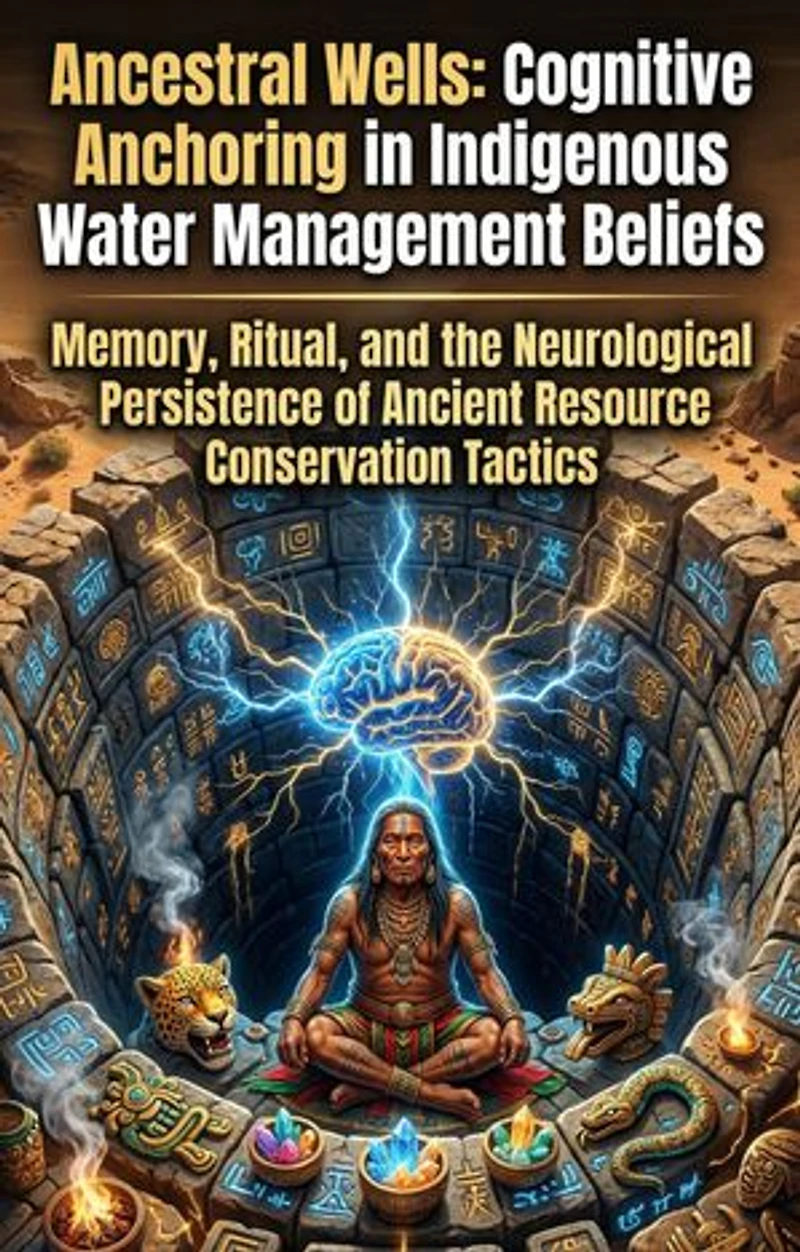
Ancestral Wells: Cognitive Anchoring in Indigenous Water Management Beliefs: Memory, Ritual, and the Neurological Persistence of Ancient Resource Conservation Tactics
Current price: $7.99

Ancestral Wells: Cognitive Anchoring in Indigenous Water Management Beliefs: Memory, Ritual, and the Neurological Persistence of Ancient Resource Conservation Tactics
Current price: $7.99
Loading Inventory...
Size: Kobo eBook
*Product information may vary - to confirm product availability, pricing, shipping and return information please contact Indigo
In arid regions prone to devastating cyclical droughts, ensuring that an entire population strictly adheres to water conservation laws is a matter of absolute survival. Pre-Columbian societies did not rely on administrative fines or policing to enforce these critical rules; instead, they utilized deep psychological anchoring, linking the management of aquifers inextricably to ancestral worship and ritualistic taboo. By codifying water sources as living deities or the literal resting places of the dead, indigenous leaders tapped directly into the human brain's deepest emotional and moral centers. Wasting water or polluting a well was not merely a civic offense; it was a profound spiritual transgression that triggered immediate social ostracization and neurological dread. This cognitive framework ensured absolute compliance across multiple generations, embedding survival logistics directly into the cultural subconscious. Unlock the psychological mechanics of ancient conservation. Understand how ritual and religious fear were deliberately engineered to protect the most fragile resource in the pre-Columbian world.
In arid regions prone to devastating cyclical droughts, ensuring that an entire population strictly adheres to water conservation laws is a matter of absolute survival. Pre-Columbian societies did not rely on administrative fines or policing to enforce these critical rules; instead, they utilized deep psychological anchoring, linking the management of aquifers inextricably to ancestral worship and ritualistic taboo. By codifying water sources as living deities or the literal resting places of the dead, indigenous leaders tapped directly into the human brain's deepest emotional and moral centers. Wasting water or polluting a well was not merely a civic offense; it was a profound spiritual transgression that triggered immediate social ostracization and neurological dread. This cognitive framework ensured absolute compliance across multiple generations, embedding survival logistics directly into the cultural subconscious. Unlock the psychological mechanics of ancient conservation. Understand how ritual and religious fear were deliberately engineered to protect the most fragile resource in the pre-Columbian world.
You May Also Like














More About Indigo at Erin Mills Town Centre
The largest book retailer in Canada also offers toys, music, home décor, gifts and lifestyle products. What's Inside...Books, Magazines, CD’s and DVD’s, Toys and Gifts, Home Accents, Electronics, Baby’s and Children’s Section, Bath and Body, Kitchen and Bedroom, Stationary Located outside in the exterior plaza.
5015 Glen Erin Dr, Mississauga, ON L5M 0R7, Canada
Find Indigo at Erin Mills Town Centre in Mississauga ON
Visit Indigo at Erin Mills Town Centre in Mississauga ON