

GIVE THE PERFECT GIFT
Erin Mills Town Centre Gift Cards are the perfect choice for your gift giving needs.Purchase gift cards at kiosks near the food court or centre court, at Guest Services, or click below to purchase online.PURCHASE HEREHome
Ancient Medicine. Airs, Waters, Places. Epidemics 1 and 3. The Oath. Precepts. Nutriment
Indigo
Loading Inventory...
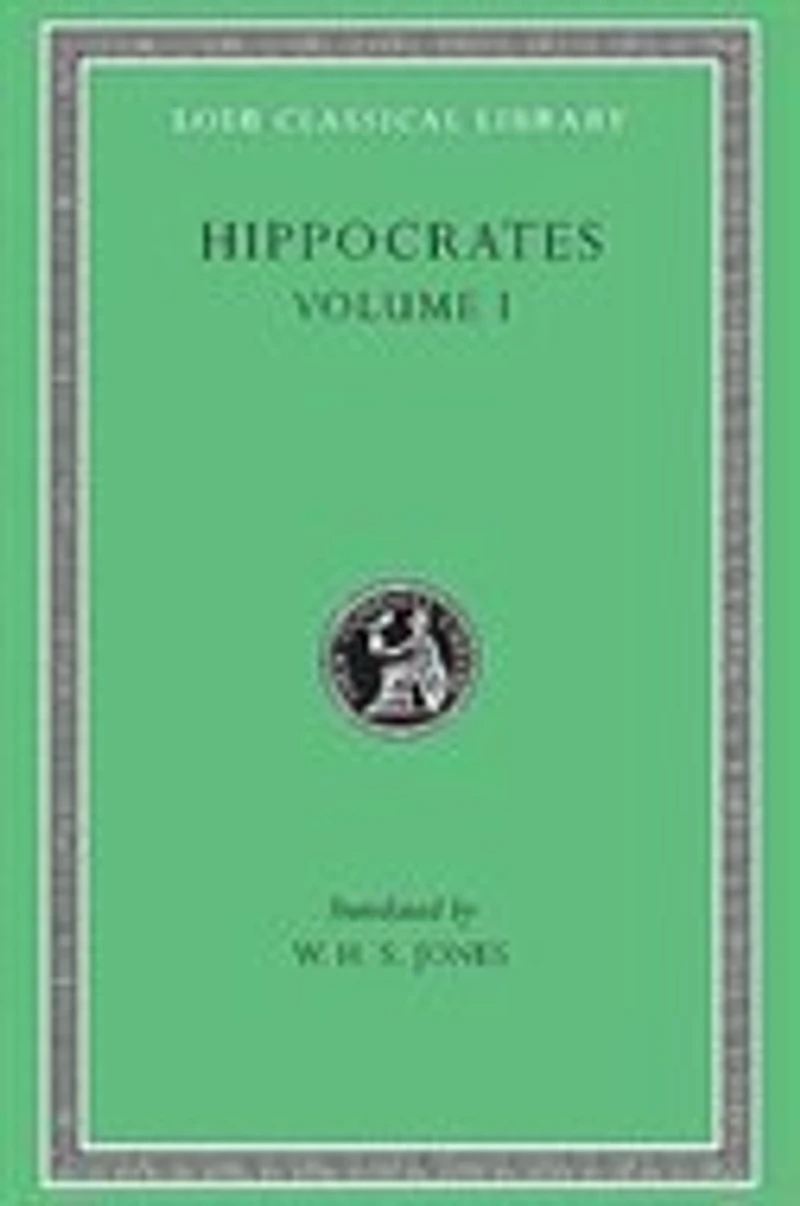
Ancient Medicine. Airs, Waters, Places. Epidemics 1 and 3. The Oath. Precepts. Nutriment
Current price: $36.50

Ancient Medicine. Airs, Waters, Places. Epidemics 1 and 3. The Oath. Precepts. Nutriment
Current price: $36.50
Loading Inventory...
Size: Hardcover
*Product information may vary - to confirm product availability, pricing, shipping and return information please contact Indigo
Hippocrates, said to have been born in Cos in or before 460 BCE, learned medicine and philosophy; travelled widely as a medical doctor and teacher; was consulted by King Perdiccas of Macedon and Artaxerxes of Persia; and died perhaps at Larissa. Apparently he rejected superstition in favour of inductive reasoning and the study of real medicine as subject to natural laws, in general and in individual people as patients for treatment by medicines and surgery. Of the roughly 70 works in the “Hippocratic Collection,” many are not by Hippocrates; even the famous oath may not be his. But he was undeniably the “Father of Medicine.”
The works available in the Loeb Classical Library edition of Hippocrates are:
Volume I: Ancient Medicine. Airs, Waters, Places. Epidemics 1 and 3. The Oath. Precepts. Nutriment.
Volume II: Prognostic. Regimen in Acute Diseases. The Sacred Disease. The Art. Breaths. Law. Decorum. Physician (Ch. 1). Dentition.
Volume III: On Wounds in the Head. In the Surgery. On Fractures. On Joints. Mochlicon.
Volume IV: Nature of Man. Regimen in Health. Humours. Aphorisms. Regimen 1–3. Dreams.
Volume V: Affections. Diseases 1–2.
Volume VI: Diseases 3. Internal Affections. Regimen in Acute Diseases.
Volume VII: Epidemics 2 and 4–7.
Volume VIII: Places in Man. Glands. Fleshes. Prorrhetic 1–2. Physician. Use of Liquids. Ulcers. Haemorrhoids and Fistulas.
Volume IX: Anatomy. Nature of Bones. Heart. Eight Months’ Child. Coan Prenotions. Crises. Critical Days. Superfetation. Girls. Excision of the Fetus. Sight.
Volume X: Generation. Nature of the Child. Diseases 4. Nature of Women. Barrenness.
Volume XI: Diseases of Women 1–2.
(Volume IV also contains the fragments of Heracleitus’ On the Universe .)
Hippocrates, said to have been born in Cos in or before 460 BCE, learned medicine and philosophy; travelled widely as a medical doctor and teacher; was consulted by King Perdiccas of Macedon and Artaxerxes of Persia; and died perhaps at Larissa. Apparently he rejected superstition in favour of inductive reasoning and the study of real medicine as subject to natural laws, in general and in individual people as patients for treatment by medicines and surgery. Of the roughly 70 works in the “Hippocratic Collection,” many are not by Hippocrates; even the famous oath may not be his. But he was undeniably the “Father of Medicine.”
The works available in the Loeb Classical Library edition of Hippocrates are:
Volume I: Ancient Medicine. Airs, Waters, Places. Epidemics 1 and 3. The Oath. Precepts. Nutriment.
Volume II: Prognostic. Regimen in Acute Diseases. The Sacred Disease. The Art. Breaths. Law. Decorum. Physician (Ch. 1). Dentition.
Volume III: On Wounds in the Head. In the Surgery. On Fractures. On Joints. Mochlicon.
Volume IV: Nature of Man. Regimen in Health. Humours. Aphorisms. Regimen 1–3. Dreams.
Volume V: Affections. Diseases 1–2.
Volume VI: Diseases 3. Internal Affections. Regimen in Acute Diseases.
Volume VII: Epidemics 2 and 4–7.
Volume VIII: Places in Man. Glands. Fleshes. Prorrhetic 1–2. Physician. Use of Liquids. Ulcers. Haemorrhoids and Fistulas.
Volume IX: Anatomy. Nature of Bones. Heart. Eight Months’ Child. Coan Prenotions. Crises. Critical Days. Superfetation. Girls. Excision of the Fetus. Sight.
Volume X: Generation. Nature of the Child. Diseases 4. Nature of Women. Barrenness.
Volume XI: Diseases of Women 1–2.
(Volume IV also contains the fragments of Heracleitus’ On the Universe .)
You May Also Like














More About Indigo at Erin Mills Town Centre
The largest book retailer in Canada also offers toys, music, home décor, gifts and lifestyle products. What's Inside...Books, Magazines, CD’s and DVD’s, Toys and Gifts, Home Accents, Electronics, Baby’s and Children’s Section, Bath and Body, Kitchen and Bedroom, Stationary Located outside in the exterior plaza.
5015 Glen Erin Dr, Mississauga, ON L5M 0R7, Canada
Find Indigo at Erin Mills Town Centre in Mississauga ON
Visit Indigo at Erin Mills Town Centre in Mississauga ON