

GIVE THE PERFECT GIFT
Erin Mills Town Centre Gift Cards are the perfect choice for your gift giving needs.Purchase gift cards at kiosks near the food court or centre court, at Guest Services, or click below to purchase online.PURCHASE HEREHome
«Ane end of an auld song?»: Macro and Micro Perspectives on Written Scots Correspondence during the Union Parliaments Debates
Indigo
Loading Inventory...
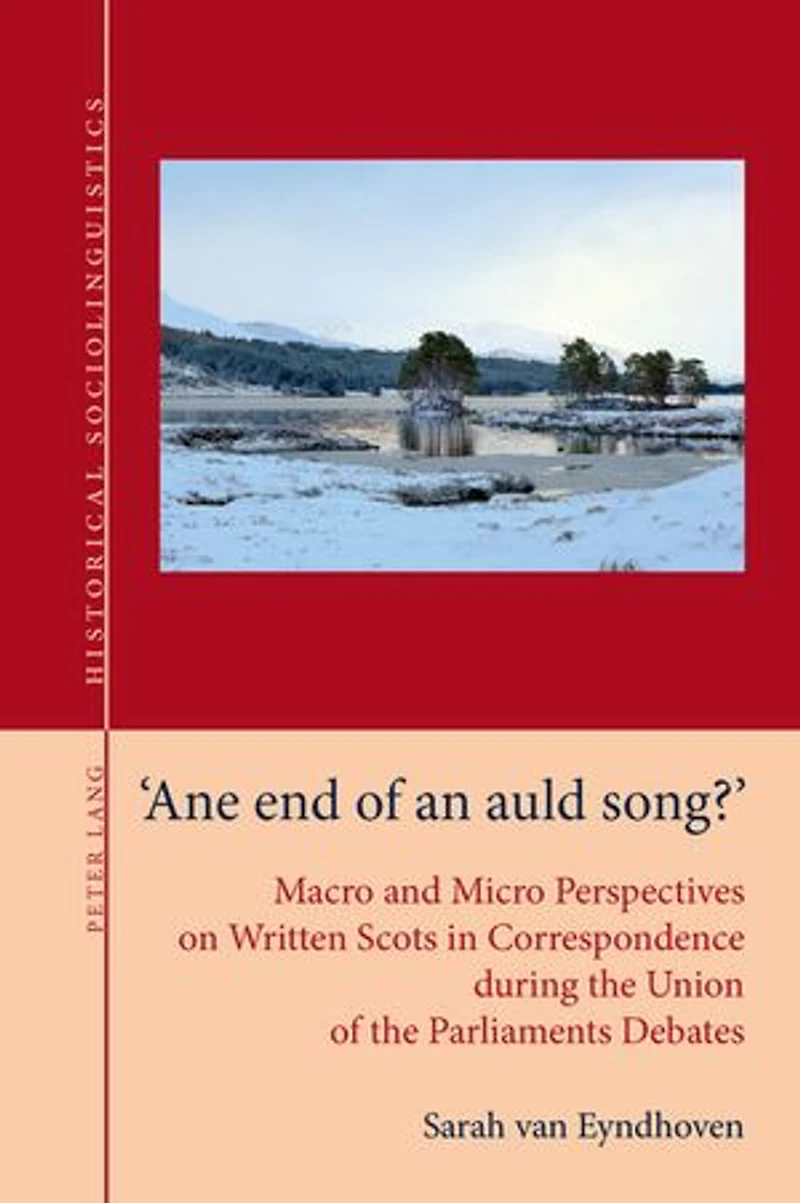
«Ane end of an auld song?»: Macro and Micro Perspectives on Written Scots Correspondence during the Union Parliaments Debates
Current price: $79.29
Original price: $99.01

«Ane end of an auld song?»: Macro and Micro Perspectives on Written Scots Correspondence during the Union Parliaments Debates
Current price: $79.29
Original price: $99.01
Loading Inventory...
Size: Kobo eBook
*Product information may vary - to confirm product availability, pricing, shipping and return information please contact Indigo
This book examines the relationship between political identity and variation from a diachronic perspective, and how vernacular features could index political and ideological affiliations. Specifically, it explores the use of written Scots in the correspondence of Scottish politicians active during the Union of the Parliaments debates at the turn of the eighteenth century. Drawing from the frameworks of First, Second and Third Wave perspectives on variation, and combining macro-social statistical modelling with microsocial analysis, broad socio-political factors are empirically investigated alongside plausible stylistic intentions in conditioning observed linguistic behaviour. Detailing the process of building a corpus, identifying relevant Scots features, and presenting analyses across time, sociolinguistic factors, and individual recipients, this volume provides the first in-depth quantitative and sociolinguistic examination of early modern Scots and its expanding indexical roles.
This book examines the relationship between political identity and variation from a diachronic perspective, and how vernacular features could index political and ideological affiliations. Specifically, it explores the use of written Scots in the correspondence of Scottish politicians active during the Union of the Parliaments debates at the turn of the eighteenth century. Drawing from the frameworks of First, Second and Third Wave perspectives on variation, and combining macro-social statistical modelling with microsocial analysis, broad socio-political factors are empirically investigated alongside plausible stylistic intentions in conditioning observed linguistic behaviour. Detailing the process of building a corpus, identifying relevant Scots features, and presenting analyses across time, sociolinguistic factors, and individual recipients, this volume provides the first in-depth quantitative and sociolinguistic examination of early modern Scots and its expanding indexical roles.
You May Also Like









More About Indigo at Erin Mills Town Centre
The largest book retailer in Canada also offers toys, music, home décor, gifts and lifestyle products. What's Inside...Books, Magazines, CD’s and DVD’s, Toys and Gifts, Home Accents, Electronics, Baby’s and Children’s Section, Bath and Body, Kitchen and Bedroom, Stationary Located outside in the exterior plaza.
5015 Glen Erin Dr, Mississauga, ON L5M 0R7, Canada
Find Indigo at Erin Mills Town Centre in Mississauga ON
Visit Indigo at Erin Mills Town Centre in Mississauga ON