

GIVE THE PERFECT GIFT
Erin Mills Town Centre Gift Cards are the perfect choice for your gift giving needs.Purchase gift cards at kiosks near the food court or centre court, at Guest Services, or click below to purchase online.PURCHASE HEREHome
Anelida and Arcite
Indigo
Loading Inventory...
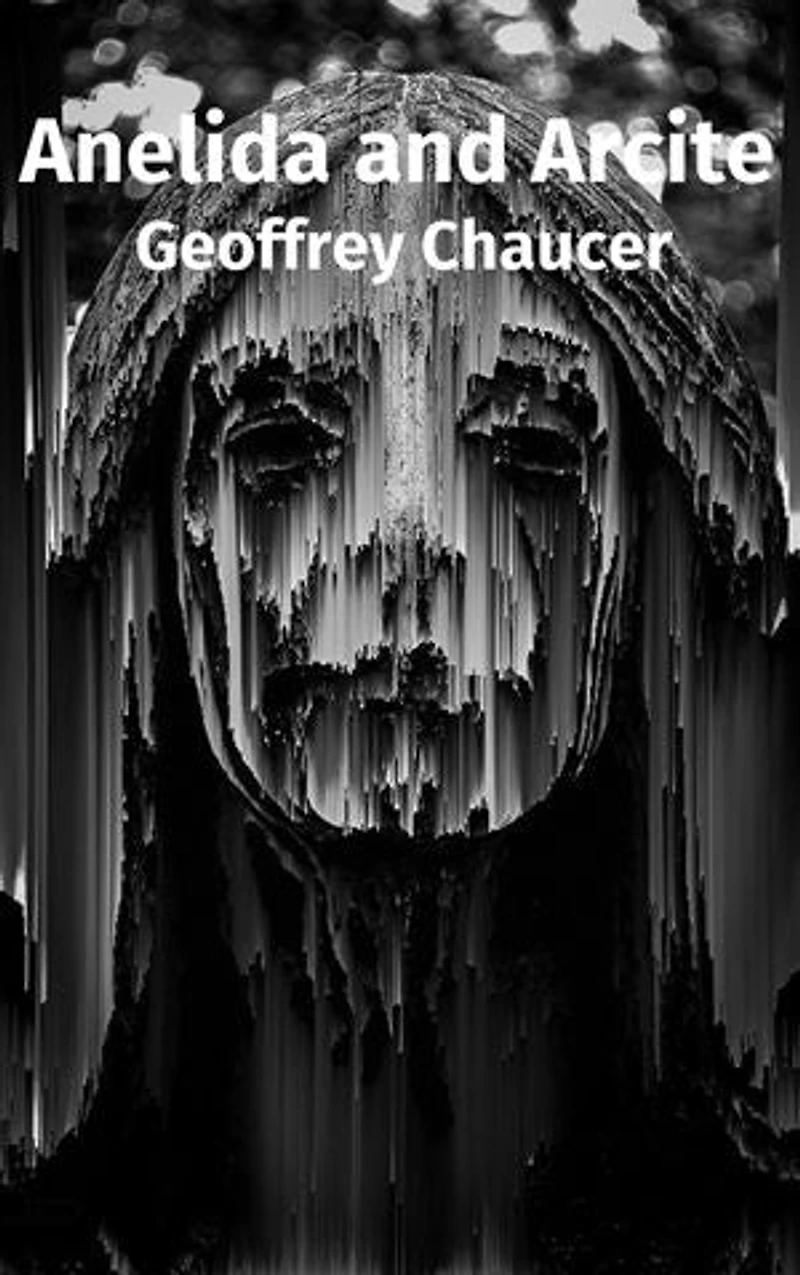
Anelida and Arcite
Current price: $1.34

Anelida and Arcite
Current price: $1.34
Loading Inventory...
Size: Kobo eBook
*Product information may vary - to confirm product availability, pricing, shipping and return information please contact Indigo
Anelida and Arcite is a 357-line English poem by Geoffrey Chaucer. It tells the story of Anelida, queen of Armenia and her wooing by false Arcite from Thebes, Greece.
Although relatively short, it is a poem with a complex structure, with an invocation and then the main story. The story is made up of an introduction and a complaint by Anelida which is in turn made up of a proem, a strophe, antistrophe and a conclusion. After the complaint there are a few lines which continue the story, but these may have been added by a later scribe. Like many of Chaucer's works it ends abruptly, and may be unfinished. The date of the poem's composition is not known but it is often placed in the late 1370s. The poem is never mentioned by Chaucer himself but scholars do not usually doubt his authorship. It is attributed to him in three manuscripts and by the poet John Lydgate.
Anelida and Arcite is a 357-line English poem by Geoffrey Chaucer. It tells the story of Anelida, queen of Armenia and her wooing by false Arcite from Thebes, Greece.
Although relatively short, it is a poem with a complex structure, with an invocation and then the main story. The story is made up of an introduction and a complaint by Anelida which is in turn made up of a proem, a strophe, antistrophe and a conclusion. After the complaint there are a few lines which continue the story, but these may have been added by a later scribe. Like many of Chaucer's works it ends abruptly, and may be unfinished. The date of the poem's composition is not known but it is often placed in the late 1370s. The poem is never mentioned by Chaucer himself but scholars do not usually doubt his authorship. It is attributed to him in three manuscripts and by the poet John Lydgate.
You May Also Like












More About Indigo at Erin Mills Town Centre
The largest book retailer in Canada also offers toys, music, home décor, gifts and lifestyle products. What's Inside...Books, Magazines, CD’s and DVD’s, Toys and Gifts, Home Accents, Electronics, Baby’s and Children’s Section, Bath and Body, Kitchen and Bedroom, Stationary Located outside in the exterior plaza.
5015 Glen Erin Dr, Mississauga, ON L5M 0R7, Canada
Find Indigo at Erin Mills Town Centre in Mississauga ON
Visit Indigo at Erin Mills Town Centre in Mississauga ON