

GIVE THE PERFECT GIFT
Erin Mills Town Centre Gift Cards are the perfect choice for your gift giving needs.Purchase gift cards at kiosks near the food court or centre court, at Guest Services, or click below to purchase online.PURCHASE HEREHome
Anglo-American Relations and the Franco Question, 1945-1955
Indigo
Loading Inventory...
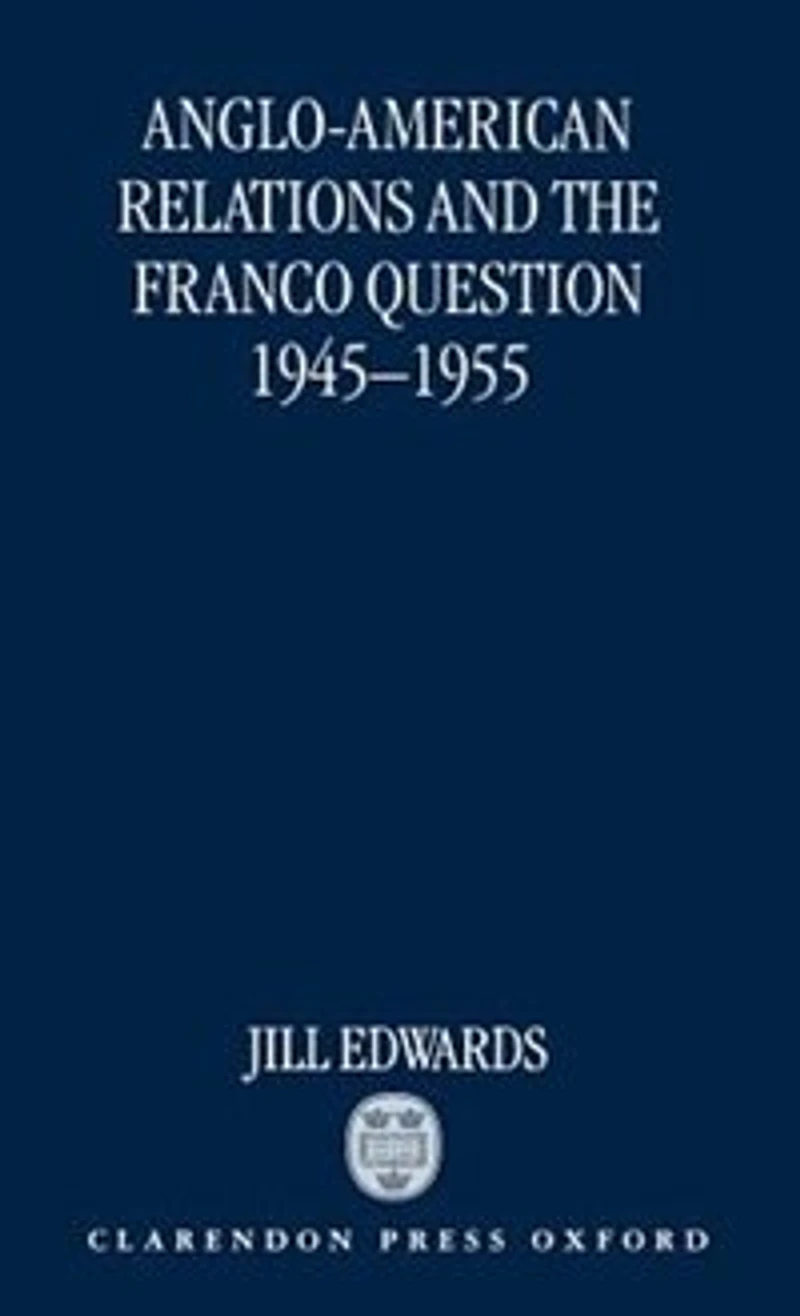
Anglo-American Relations and the Franco Question, 1945-1955
Current price: $450.00

Anglo-American Relations and the Franco Question, 1945-1955
Current price: $450.00
Loading Inventory...
Size: Hardcover
*Product information may vary - to confirm product availability, pricing, shipping and return information please contact Indigo
This book examines the formulation of British and American policy between 1945 and 1955 towards one of the most hated regimes of this century. The Franco question though apparently not of the first importance in the evolution of Cold War policy, nevertheless haunted British and American
governments during this period. It posed a problem which epitomises the difficulty of dealing with pariah regimes. As such it highlights for historians the attempts of these two governments to straddle the contradictions inherent in the emerging dual system of the United Nations, or
internationalism, on the one hand, and the older system of balance of power, played out by the super powers as the Cold War. Set as it is in the domestic and international context, it also exemplifies the problems faced today by individual governments and by the United Nations in dealing with
questions of intervention or non-intervention in distasteful regimes.
This book examines the formulation of British and American policy between 1945 and 1955 towards one of the most hated regimes of this century. The Franco question though apparently not of the first importance in the evolution of Cold War policy, nevertheless haunted British and American
governments during this period. It posed a problem which epitomises the difficulty of dealing with pariah regimes. As such it highlights for historians the attempts of these two governments to straddle the contradictions inherent in the emerging dual system of the United Nations, or
internationalism, on the one hand, and the older system of balance of power, played out by the super powers as the Cold War. Set as it is in the domestic and international context, it also exemplifies the problems faced today by individual governments and by the United Nations in dealing with
questions of intervention or non-intervention in distasteful regimes.
You May Also Like








More About Indigo at Erin Mills Town Centre
The largest book retailer in Canada also offers toys, music, home décor, gifts and lifestyle products. What's Inside...Books, Magazines, CD’s and DVD’s, Toys and Gifts, Home Accents, Electronics, Baby’s and Children’s Section, Bath and Body, Kitchen and Bedroom, Stationary Located outside in the exterior plaza.
5015 Glen Erin Dr, Mississauga, ON L5M 0R7, Canada
Find Indigo at Erin Mills Town Centre in Mississauga ON
Visit Indigo at Erin Mills Town Centre in Mississauga ON