

GIVE THE PERFECT GIFT
Erin Mills Town Centre Gift Cards are the perfect choice for your gift giving needs.Purchase gift cards at kiosks near the food court or centre court, at Guest Services, or click below to purchase online.PURCHASE HEREHome
Animacy and Inflectional Morphology across Languages
Indigo
Loading Inventory...
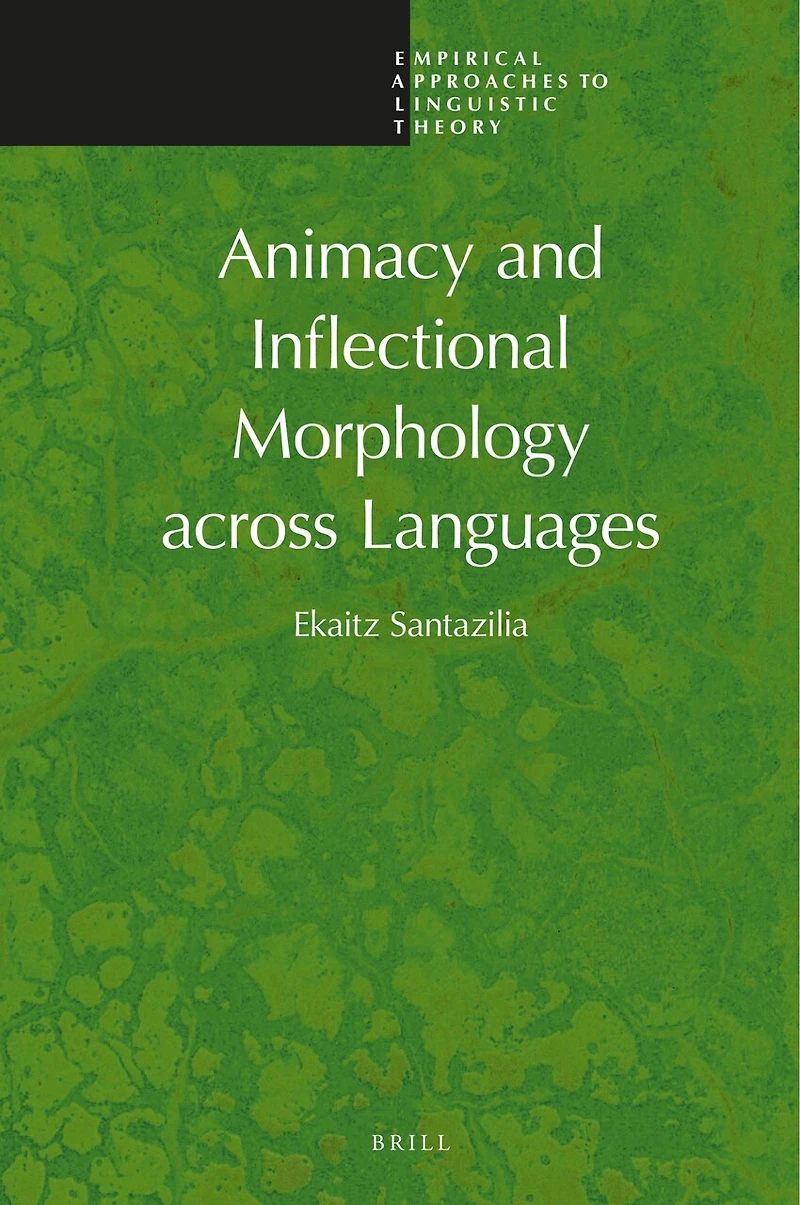
Animacy and Inflectional Morphology across Languages
Current price: $229.99

Animacy and Inflectional Morphology across Languages
Current price: $229.99
Loading Inventory...
Size: Hardcover
*Product information may vary - to confirm product availability, pricing, shipping and return information please contact Indigo
Animacy influences the grammar of languages in different ways, although it often goes unnoticed. Did you know that in English there is a strong tendency towards using the Saxon genitive ’s with humans instead of the preposition of? Have you ever hear that some Chinantecan languages encode the animate/inanimate distinction in almost every word, and that in Hatam only human nouns distinguish plural number? This book offers for the first time a comprehensive cross-linguistic study of its effects on morphological systems. How do real data fit the theorethical definition of animacy? Do we observe different types of animacy? Which techniques are employed to encode it? Which categories and features are affected, and how? Data from more than 300 languages provide answers to these (and other) questions.
Animacy influences the grammar of languages in different ways, although it often goes unnoticed. Did you know that in English there is a strong tendency towards using the Saxon genitive ’s with humans instead of the preposition of? Have you ever hear that some Chinantecan languages encode the animate/inanimate distinction in almost every word, and that in Hatam only human nouns distinguish plural number? This book offers for the first time a comprehensive cross-linguistic study of its effects on morphological systems. How do real data fit the theorethical definition of animacy? Do we observe different types of animacy? Which techniques are employed to encode it? Which categories and features are affected, and how? Data from more than 300 languages provide answers to these (and other) questions.
You May Also Like







More About Indigo at Erin Mills Town Centre
The largest book retailer in Canada also offers toys, music, home décor, gifts and lifestyle products. What's Inside...Books, Magazines, CD’s and DVD’s, Toys and Gifts, Home Accents, Electronics, Baby’s and Children’s Section, Bath and Body, Kitchen and Bedroom, Stationary Located outside in the exterior plaza.
5015 Glen Erin Dr, Mississauga, ON L5M 0R7, Canada
Find Indigo at Erin Mills Town Centre in Mississauga ON
Visit Indigo at Erin Mills Town Centre in Mississauga ON