

GIVE THE PERFECT GIFT
Erin Mills Town Centre Gift Cards are the perfect choice for your gift giving needs.Purchase gift cards at kiosks near the food court or centre court, at Guest Services, or click below to purchase online.PURCHASE HEREHome
Animal Carvings from Mounds of the Mississippi Valley
Indigo
Loading Inventory...
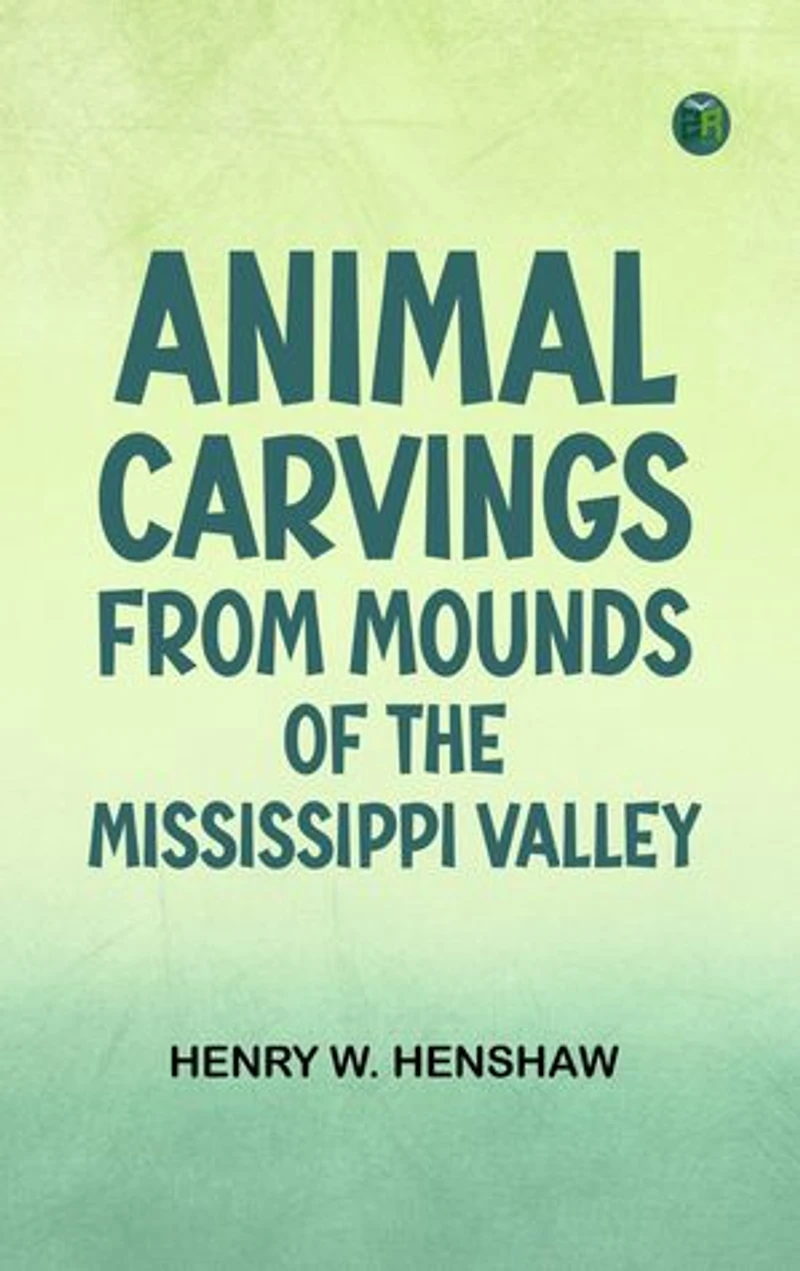
Animal Carvings from Mounds of the Mississippi Valley
Current price: $1.32

Animal Carvings from Mounds of the Mississippi Valley
Current price: $1.32
Loading Inventory...
Size: Kobo eBook
*Product information may vary - to confirm product availability, pricing, shipping and return information please contact Indigo
In this work, Henshaw examines the intricate animal carvings found in these mounds, providing detailed descriptions and interpretations of the various effigies, which include representations of birds, mammals, reptiles, and other creatures. His analysis aims to determine the symbolic meanings and functions of these carvings, suggesting that they were more than mere decorative art but likely held spiritual or ceremonial significance for the people who created them.The book also delves into the methods used by the mound builders, discussing the tools and techniques that were employed to create such elaborate structures and carvings, often using rudimentary instruments made from stone, bone, or wood. Henshaw's meticulous documentation and analysis provide valuable insights into the craftsmanship and aesthetic sensibilities of these ancient communities.
In this work, Henshaw examines the intricate animal carvings found in these mounds, providing detailed descriptions and interpretations of the various effigies, which include representations of birds, mammals, reptiles, and other creatures. His analysis aims to determine the symbolic meanings and functions of these carvings, suggesting that they were more than mere decorative art but likely held spiritual or ceremonial significance for the people who created them.The book also delves into the methods used by the mound builders, discussing the tools and techniques that were employed to create such elaborate structures and carvings, often using rudimentary instruments made from stone, bone, or wood. Henshaw's meticulous documentation and analysis provide valuable insights into the craftsmanship and aesthetic sensibilities of these ancient communities.
You May Also Like







More About Indigo at Erin Mills Town Centre
The largest book retailer in Canada also offers toys, music, home décor, gifts and lifestyle products. What's Inside...Books, Magazines, CD’s and DVD’s, Toys and Gifts, Home Accents, Electronics, Baby’s and Children’s Section, Bath and Body, Kitchen and Bedroom, Stationary Located outside in the exterior plaza.
5015 Glen Erin Dr, Mississauga, ON L5M 0R7, Canada
Find Indigo at Erin Mills Town Centre in Mississauga ON
Visit Indigo at Erin Mills Town Centre in Mississauga ON