

GIVE THE PERFECT GIFT
Erin Mills Town Centre Gift Cards are the perfect choice for your gift giving needs.Purchase gift cards at kiosks near the food court or centre court, at Guest Services, or click below to purchase online.PURCHASE HEREHome
Animal Conservation Ethics and the Population Problem: A Habilitation on Rehabilitation
Indigo
Loading Inventory...
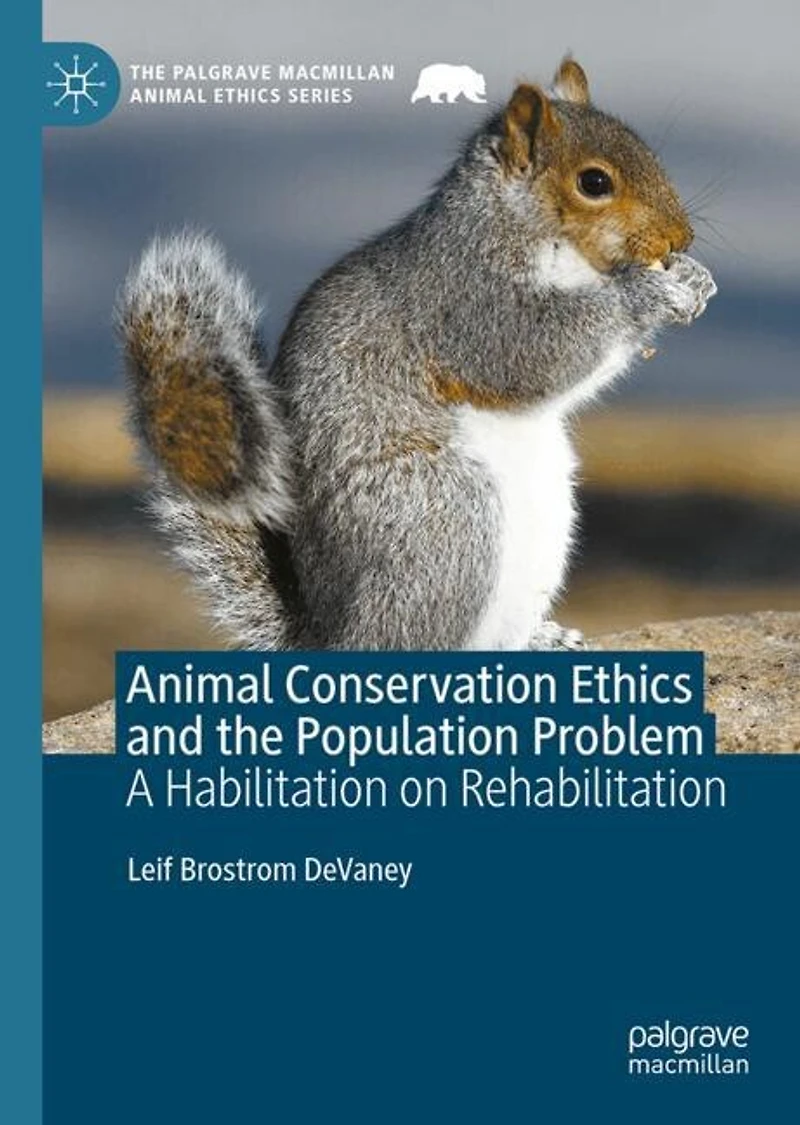
Animal Conservation Ethics and the Population Problem: A Habilitation on Rehabilitation
Current price: $248.50

Animal Conservation Ethics and the Population Problem: A Habilitation on Rehabilitation
Current price: $248.50
Loading Inventory...
Size: Hardcover
*Product information may vary - to confirm product availability, pricing, shipping and return information please contact Indigo
In this book, Leif DeVaney brings the traditional philosophical branches of metaphysics and ethics to bear on conservation biology. While many previous attempts at asking and answering ethical questions related to conservation and other environmentally relevant activities exist, few such attempts have engaged adequately with the "rock bottom" approach of metaphysics. Through this metaphysically realistic lens, the ontological
status of the population (as well as other ecological "wholes") is challenged. DeVaney argues that individual nonhuman animals are found to have interests that parallel human interests. These include the biotic goals of survival and reproduction, as well as freedom from undue pain and suffering. From an ethical standpoint, the conclusion differs drastically from the dominant consequentialist contention that the good of some can be sacrificed for the supposed greater good of the many. DeVaney initiates the establishment of the subdiscipline of conservation metaphysics, which naturally leads to a theoretically grounded ethic.
In this book, Leif DeVaney brings the traditional philosophical branches of metaphysics and ethics to bear on conservation biology. While many previous attempts at asking and answering ethical questions related to conservation and other environmentally relevant activities exist, few such attempts have engaged adequately with the "rock bottom" approach of metaphysics. Through this metaphysically realistic lens, the ontological
status of the population (as well as other ecological "wholes") is challenged. DeVaney argues that individual nonhuman animals are found to have interests that parallel human interests. These include the biotic goals of survival and reproduction, as well as freedom from undue pain and suffering. From an ethical standpoint, the conclusion differs drastically from the dominant consequentialist contention that the good of some can be sacrificed for the supposed greater good of the many. DeVaney initiates the establishment of the subdiscipline of conservation metaphysics, which naturally leads to a theoretically grounded ethic.
You May Also Like









More About Indigo at Erin Mills Town Centre
The largest book retailer in Canada also offers toys, music, home décor, gifts and lifestyle products. What's Inside...Books, Magazines, CD’s and DVD’s, Toys and Gifts, Home Accents, Electronics, Baby’s and Children’s Section, Bath and Body, Kitchen and Bedroom, Stationary Located outside in the exterior plaza.
5015 Glen Erin Dr, Mississauga, ON L5M 0R7, Canada
Find Indigo at Erin Mills Town Centre in Mississauga ON
Visit Indigo at Erin Mills Town Centre in Mississauga ON