

GIVE THE PERFECT GIFT
Erin Mills Town Centre Gift Cards are the perfect choice for your gift giving needs.Purchase gift cards at kiosks near the food court or centre court, at Guest Services, or click below to purchase online.PURCHASE HEREHome
Animal Languages in the Middle Ages: Representations of Interspecies Communication
Indigo
Loading Inventory...
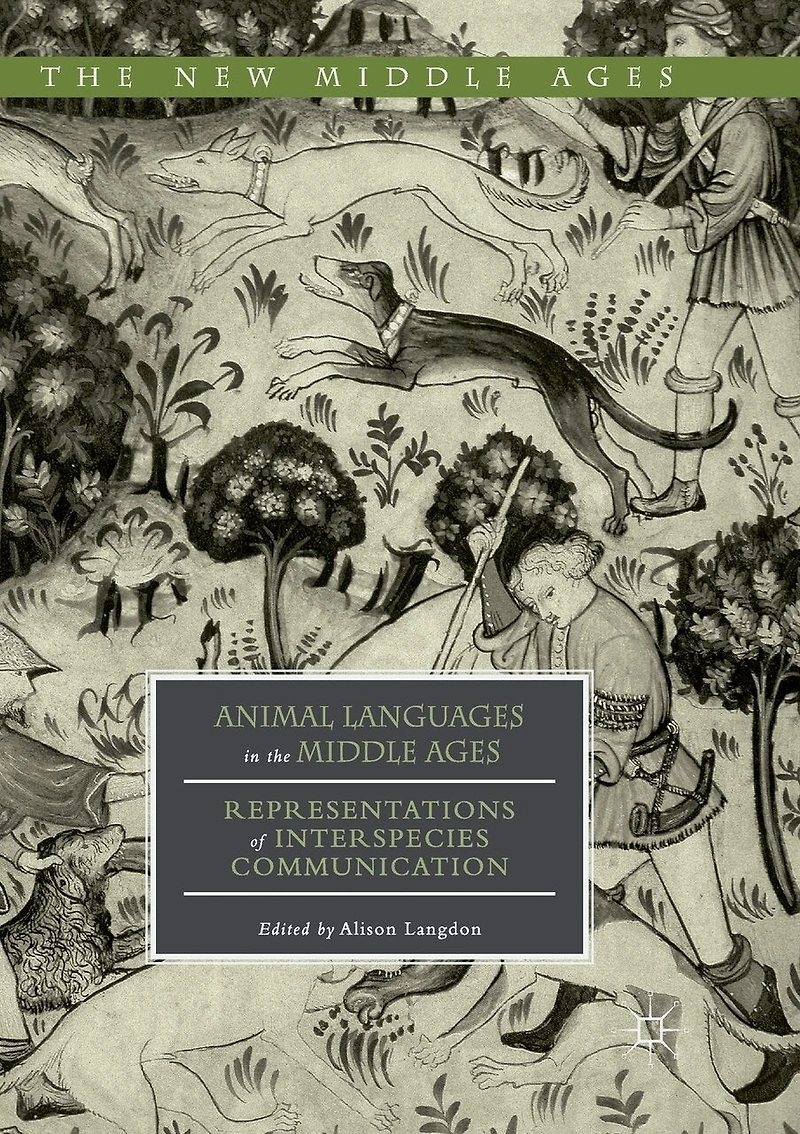
Animal Languages in the Middle Ages: Representations of Interspecies Communication
Current price: $189.95

Animal Languages in the Middle Ages: Representations of Interspecies Communication
Current price: $189.95
Loading Inventory...
Size: Paperback
*Product information may vary - to confirm product availability, pricing, shipping and return information please contact Indigo
The essays in this interdisciplinary volume explore language, broadly construed, as part of the continued interrogation of the boundaries of human and nonhuman animals in the Middle Ages. Uniting a diverse set of emerging and established scholars, Animal Languages questions the assumed medieval distinction between humans and other animals. The chapters point to the wealth of non-human communicative and discursive forms through which animals function both as vehicles for human meaning and as agents of their own, demonstrating the significance of human and non-human interaction in medieval texts, particularly for engaging with the Other. The book ultimately considers the ramifications of deconstructing the medieval anthropocentric view of language for the broader question of human singularity.
The essays in this interdisciplinary volume explore language, broadly construed, as part of the continued interrogation of the boundaries of human and nonhuman animals in the Middle Ages. Uniting a diverse set of emerging and established scholars, Animal Languages questions the assumed medieval distinction between humans and other animals. The chapters point to the wealth of non-human communicative and discursive forms through which animals function both as vehicles for human meaning and as agents of their own, demonstrating the significance of human and non-human interaction in medieval texts, particularly for engaging with the Other. The book ultimately considers the ramifications of deconstructing the medieval anthropocentric view of language for the broader question of human singularity.
You May Also Like








More About Indigo at Erin Mills Town Centre
The largest book retailer in Canada also offers toys, music, home décor, gifts and lifestyle products. What's Inside...Books, Magazines, CD’s and DVD’s, Toys and Gifts, Home Accents, Electronics, Baby’s and Children’s Section, Bath and Body, Kitchen and Bedroom, Stationary Located outside in the exterior plaza.
5015 Glen Erin Dr, Mississauga, ON L5M 0R7, Canada
Find Indigo at Erin Mills Town Centre in Mississauga ON
Visit Indigo at Erin Mills Town Centre in Mississauga ON