

GIVE THE PERFECT GIFT
Erin Mills Town Centre Gift Cards are the perfect choice for your gift giving needs.Purchase gift cards at kiosks near the food court or centre court, at Guest Services, or click below to purchase online.PURCHASE HEREHome
Animal Maltreatment Evaluation Basics for Mental Health Practitioners, Students, and Educators
Indigo
Loading Inventory...
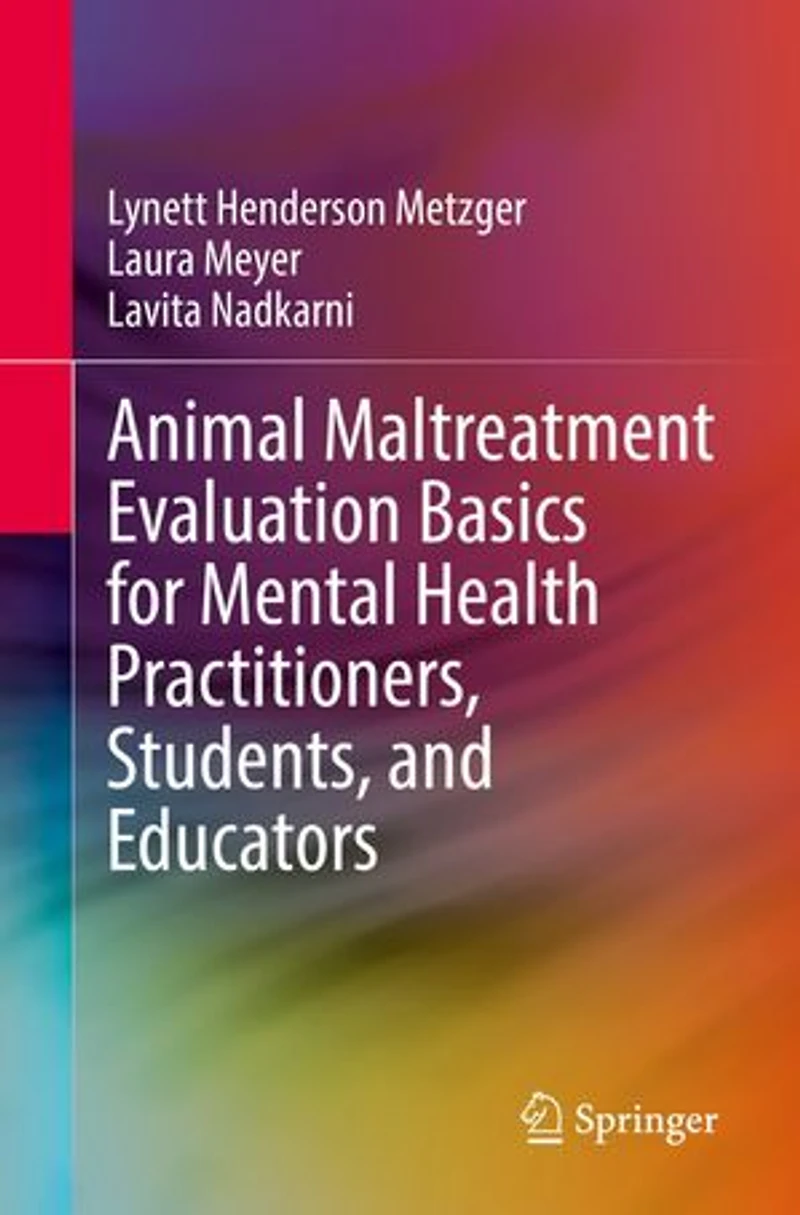
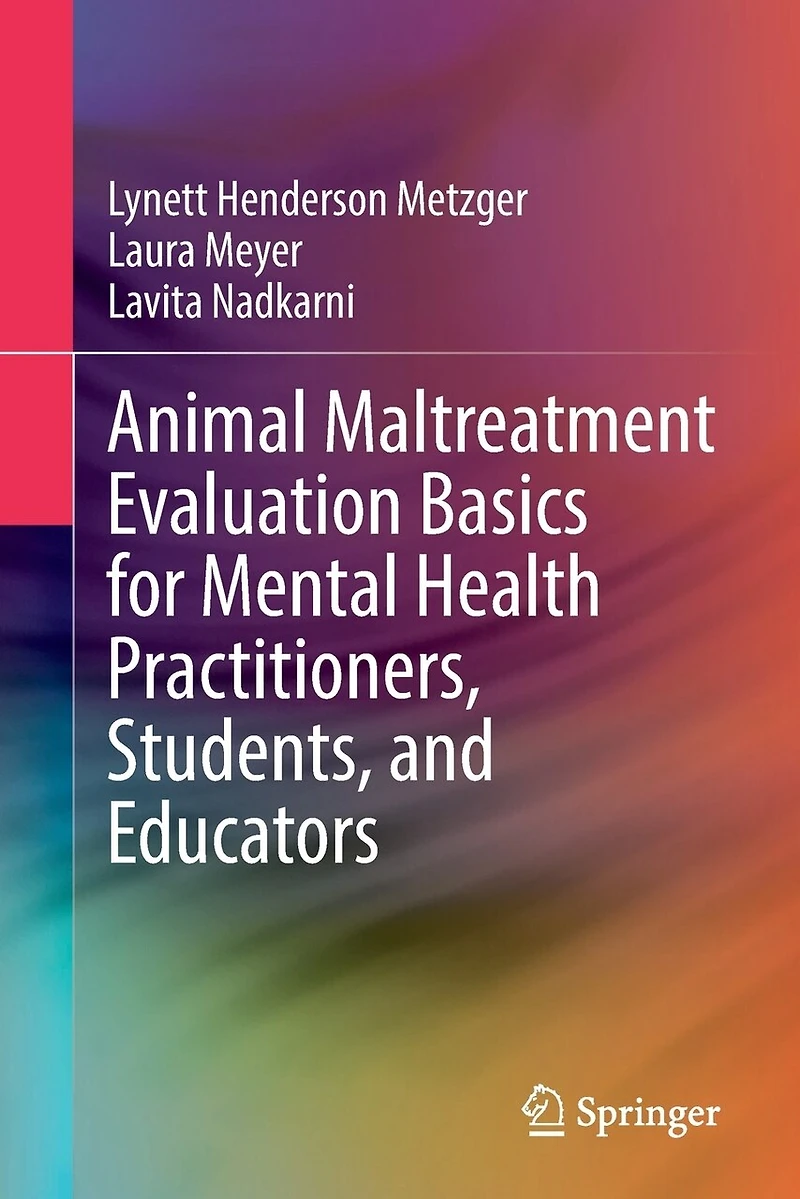
Animal Maltreatment Evaluation Basics for Mental Health Practitioners, Students, and Educators
Current price: $64.49
Original price: $80.62

Animal Maltreatment Evaluation Basics for Mental Health Practitioners, Students, and Educators
Current price: $64.49
Original price: $80.62
Loading Inventory...
Size: Kobo eBook
*Product information may vary - to confirm product availability, pricing, shipping and return information please contact Indigo
This book provides a brief introduction to the growing field of animal maltreatment evaluation and treatment, with a special emphasis on clinical training from a forensic psychology perspective. Geared toward mental health practitioners, students, and educators, this broad overview focuses on foundational legal concepts, applications in clinical and psycholegal settings, and emerging perspectives on effective evaluation and treatment. The authors provide practical guidance around "real world" scenarios through the use of clinical case vignettes, highlighting the complexities and need for culturally- and psychologically-informed care in these cases. Key topics include forensic animal maltreatment evaluations (or FAMEs); implications for best practices; challenges for providers, trainees, and supervisors; and future directions for the field.
This book provides a brief introduction to the growing field of animal maltreatment evaluation and treatment, with a special emphasis on clinical training from a forensic psychology perspective. Geared toward mental health practitioners, students, and educators, this broad overview focuses on foundational legal concepts, applications in clinical and psycholegal settings, and emerging perspectives on effective evaluation and treatment. The authors provide practical guidance around "real world" scenarios through the use of clinical case vignettes, highlighting the complexities and need for culturally- and psychologically-informed care in these cases. Key topics include forensic animal maltreatment evaluations (or FAMEs); implications for best practices; challenges for providers, trainees, and supervisors; and future directions for the field.
You May Also Like










More About Indigo at Erin Mills Town Centre
The largest book retailer in Canada also offers toys, music, home décor, gifts and lifestyle products. What's Inside...Books, Magazines, CD’s and DVD’s, Toys and Gifts, Home Accents, Electronics, Baby’s and Children’s Section, Bath and Body, Kitchen and Bedroom, Stationary Located outside in the exterior plaza.
5015 Glen Erin Dr, Mississauga, ON L5M 0R7, Canada
Find Indigo at Erin Mills Town Centre in Mississauga ON
Visit Indigo at Erin Mills Town Centre in Mississauga ON