

GIVE THE PERFECT GIFT
Erin Mills Town Centre Gift Cards are the perfect choice for your gift giving needs.Purchase gift cards at kiosks near the food court or centre court, at Guest Services, or click below to purchase online.PURCHASE HEREHome
Anomie and Violence: Non-truth and Reconciliation in Indonesian Peacebuilding
Indigo
Loading Inventory...
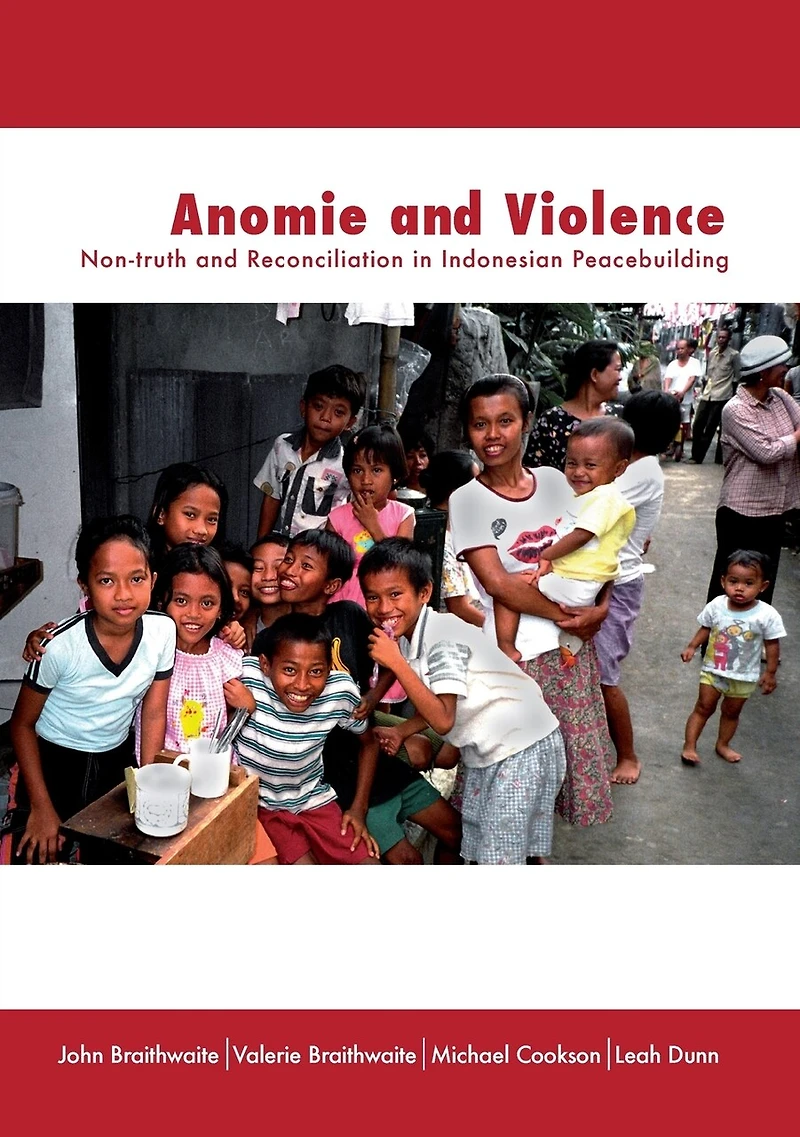
Anomie and Violence: Non-truth and Reconciliation in Indonesian Peacebuilding
Current price: $98.90

Anomie and Violence: Non-truth and Reconciliation in Indonesian Peacebuilding
Current price: $98.90
Loading Inventory...
Size: Paperback
*Product information may vary - to confirm product availability, pricing, shipping and return information please contact Indigo
Indonesia suffered an explosion of religious violence, ethnic violence, separatist violence, terrorism, and violence by criminal gangs, the security forces and militias in the late 1990s and early 2000s. By 2002 Indonesia had the worst terrorism problem of any nation. All these forms of violence have now fallen dramatically. How was this accomplished? What drove the rise and the fall of violence? Anomie theory is deployed to explain these developments. Sudden institutional change at the time of the Asian financial crisis and the fall of President Suharto meant the rules of the game were up for grabs. Valerie Braithwaite's motivational postures theory is used to explain the gaming of the rules and the disengagement from authority that occurred in that era. Ultimately resistance to Suharto laid a foundation for commitment to a revised, more democratic, institutional order. The peacebuilding that occurred was not based on the high-integrity truth-seeking and reconciliation that was the normative preference of these authors. Rather it was based on non-truth, sometimes lies, and yet substantial reconciliation. This poses a challenge to restorative justice theories of peacebuilding.
Indonesia suffered an explosion of religious violence, ethnic violence, separatist violence, terrorism, and violence by criminal gangs, the security forces and militias in the late 1990s and early 2000s. By 2002 Indonesia had the worst terrorism problem of any nation. All these forms of violence have now fallen dramatically. How was this accomplished? What drove the rise and the fall of violence? Anomie theory is deployed to explain these developments. Sudden institutional change at the time of the Asian financial crisis and the fall of President Suharto meant the rules of the game were up for grabs. Valerie Braithwaite's motivational postures theory is used to explain the gaming of the rules and the disengagement from authority that occurred in that era. Ultimately resistance to Suharto laid a foundation for commitment to a revised, more democratic, institutional order. The peacebuilding that occurred was not based on the high-integrity truth-seeking and reconciliation that was the normative preference of these authors. Rather it was based on non-truth, sometimes lies, and yet substantial reconciliation. This poses a challenge to restorative justice theories of peacebuilding.
You May Also Like








More About Indigo at Erin Mills Town Centre
The largest book retailer in Canada also offers toys, music, home décor, gifts and lifestyle products. What's Inside...Books, Magazines, CD’s and DVD’s, Toys and Gifts, Home Accents, Electronics, Baby’s and Children’s Section, Bath and Body, Kitchen and Bedroom, Stationary Located outside in the exterior plaza.
5015 Glen Erin Dr, Mississauga, ON L5M 0R7, Canada
Find Indigo at Erin Mills Town Centre in Mississauga ON
Visit Indigo at Erin Mills Town Centre in Mississauga ON