

GIVE THE PERFECT GIFT
Erin Mills Town Centre Gift Cards are the perfect choice for your gift giving needs.Purchase gift cards at kiosks near the food court or centre court, at Guest Services, or click below to purchase online.PURCHASE HEREHome
Anoxia: Evidence for Eukaryote Survival and Paleontological Strategies
Indigo
Loading Inventory...
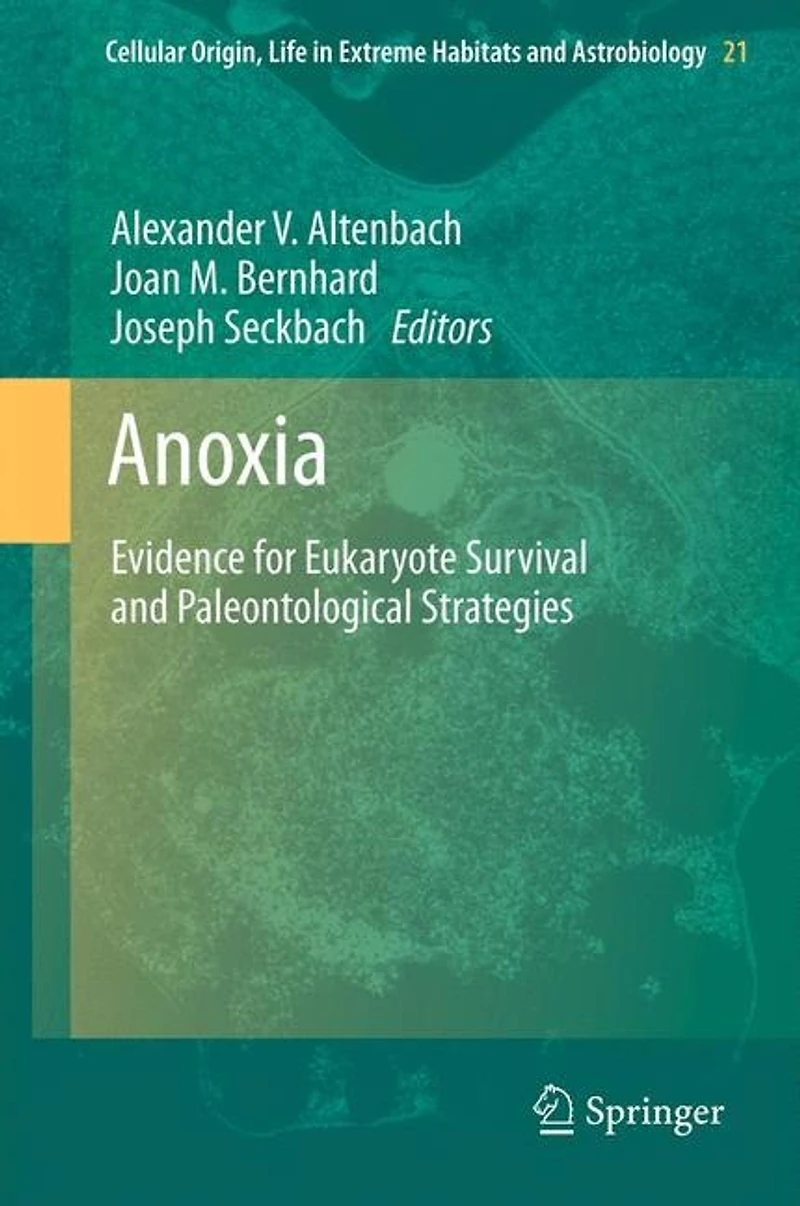
Anoxia: Evidence for Eukaryote Survival and Paleontological Strategies
Current price: $321.50

Anoxia: Evidence for Eukaryote Survival and Paleontological Strategies
Current price: $321.50
Loading Inventory...
Size: Hardcover
*Product information may vary - to confirm product availability, pricing, shipping and return information please contact Indigo
ANOXIA defines the lack of free molecular oxygen in an environment. In the presence of organic matter, anaerobic prokaryotes produce compounds such as free radicals, hydrogen sulfide, or methane that are typically toxic to aerobes. The concomitance of suppressed respiration and presence of toxic substances suggests these habitats are inhospitable to Eukaryota. Ecologists sometimes term such environments 'Death Zones'. This book presents, however, a collection of remarkable adaptations to anoxia, observed in Eukaryotes such as protists, animals, plants and fungi. Case studies provide evidence for controlled beneficial use of anoxia by, for example, modification of free radicals, use of alternative electron donors for anaerobic metabolic pathways, and employment of anaerobic symbionts. The complex, interwoven existence of oxic and anoxic conditions in space and time is also highlighted as is the idea that eukaryotic inhabitation of anoxic habitats was established early in Earth history.
ANOXIA defines the lack of free molecular oxygen in an environment. In the presence of organic matter, anaerobic prokaryotes produce compounds such as free radicals, hydrogen sulfide, or methane that are typically toxic to aerobes. The concomitance of suppressed respiration and presence of toxic substances suggests these habitats are inhospitable to Eukaryota. Ecologists sometimes term such environments 'Death Zones'. This book presents, however, a collection of remarkable adaptations to anoxia, observed in Eukaryotes such as protists, animals, plants and fungi. Case studies provide evidence for controlled beneficial use of anoxia by, for example, modification of free radicals, use of alternative electron donors for anaerobic metabolic pathways, and employment of anaerobic symbionts. The complex, interwoven existence of oxic and anoxic conditions in space and time is also highlighted as is the idea that eukaryotic inhabitation of anoxic habitats was established early in Earth history.
You May Also Like









More About Indigo at Erin Mills Town Centre
The largest book retailer in Canada also offers toys, music, home décor, gifts and lifestyle products. What's Inside...Books, Magazines, CD’s and DVD’s, Toys and Gifts, Home Accents, Electronics, Baby’s and Children’s Section, Bath and Body, Kitchen and Bedroom, Stationary Located outside in the exterior plaza.
5015 Glen Erin Dr, Mississauga, ON L5M 0R7, Canada
Find Indigo at Erin Mills Town Centre in Mississauga ON
Visit Indigo at Erin Mills Town Centre in Mississauga ON