

GIVE THE PERFECT GIFT
Erin Mills Town Centre Gift Cards are the perfect choice for your gift giving needs.Purchase gift cards at kiosks near the food court or centre court, at Guest Services, or click below to purchase online.PURCHASE HEREHome
Anselm's Argument: Divine Necessity
Indigo
Loading Inventory...
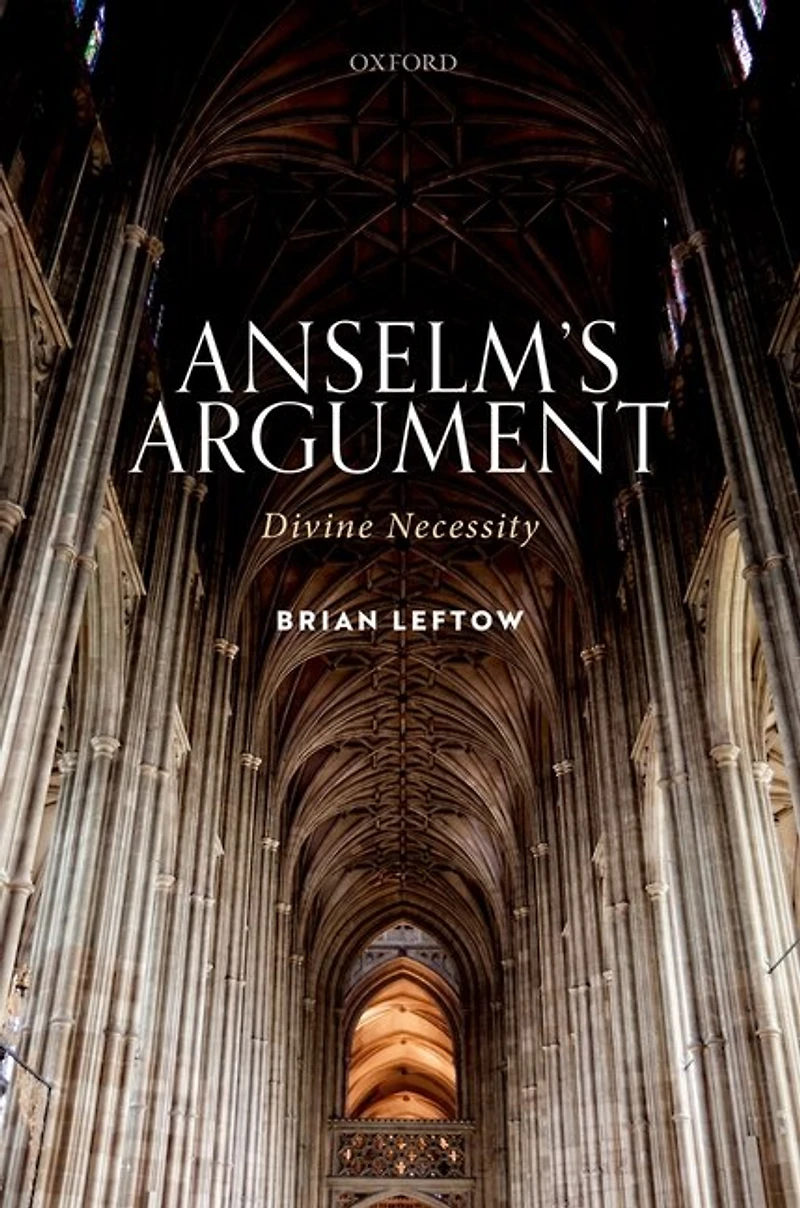
Anselm's Argument: Divine Necessity
Current price: $128.04

Anselm's Argument: Divine Necessity
Current price: $128.04
Loading Inventory...
Size: Hardcover
*Product information may vary - to confirm product availability, pricing, shipping and return information please contact Indigo
Anselm of Canterbury gave the first modal "ontological" argument for God's existence. Yet, despite its distinct originality, philosophers have mostly avoided the question of what modal concepts the argument uses, and whether Anselm's metaphysics entitles him to use them.
Here, Brian Leftow sets out Anselm's modal metaphysics. He argues that Anselm has an "absolute", "broadly logical", or "metaphysical" modal concept, and that his metaphysics provides acceptable truth makers for claims in this modality. He shows that his modal argument is committed (in effect) to the Brouwer system of modal logic, and defends the claim that Brouwer is part of the logic of "absolute" or "metaphysical" modality. He also defends Anselm's premise that God would exist with absolute necessity against all extant objections, providing new arguments in support of it and ultimately defending all but one premise of Anselm's best argument for God's existence.
Anselm of Canterbury gave the first modal "ontological" argument for God's existence. Yet, despite its distinct originality, philosophers have mostly avoided the question of what modal concepts the argument uses, and whether Anselm's metaphysics entitles him to use them.
Here, Brian Leftow sets out Anselm's modal metaphysics. He argues that Anselm has an "absolute", "broadly logical", or "metaphysical" modal concept, and that his metaphysics provides acceptable truth makers for claims in this modality. He shows that his modal argument is committed (in effect) to the Brouwer system of modal logic, and defends the claim that Brouwer is part of the logic of "absolute" or "metaphysical" modality. He also defends Anselm's premise that God would exist with absolute necessity against all extant objections, providing new arguments in support of it and ultimately defending all but one premise of Anselm's best argument for God's existence.
You May Also Like







More About Indigo at Erin Mills Town Centre
The largest book retailer in Canada also offers toys, music, home décor, gifts and lifestyle products. What's Inside...Books, Magazines, CD’s and DVD’s, Toys and Gifts, Home Accents, Electronics, Baby’s and Children’s Section, Bath and Body, Kitchen and Bedroom, Stationary Located outside in the exterior plaza.
5015 Glen Erin Dr, Mississauga, ON L5M 0R7, Canada
Find Indigo at Erin Mills Town Centre in Mississauga ON
Visit Indigo at Erin Mills Town Centre in Mississauga ON