

GIVE THE PERFECT GIFT
Erin Mills Town Centre Gift Cards are the perfect choice for your gift giving needs.Purchase gift cards at kiosks near the food court or centre court, at Guest Services, or click below to purchase online.PURCHASE HEREHome
Anthropology and Science: Epistemologies Practice
Indigo
Loading Inventory...
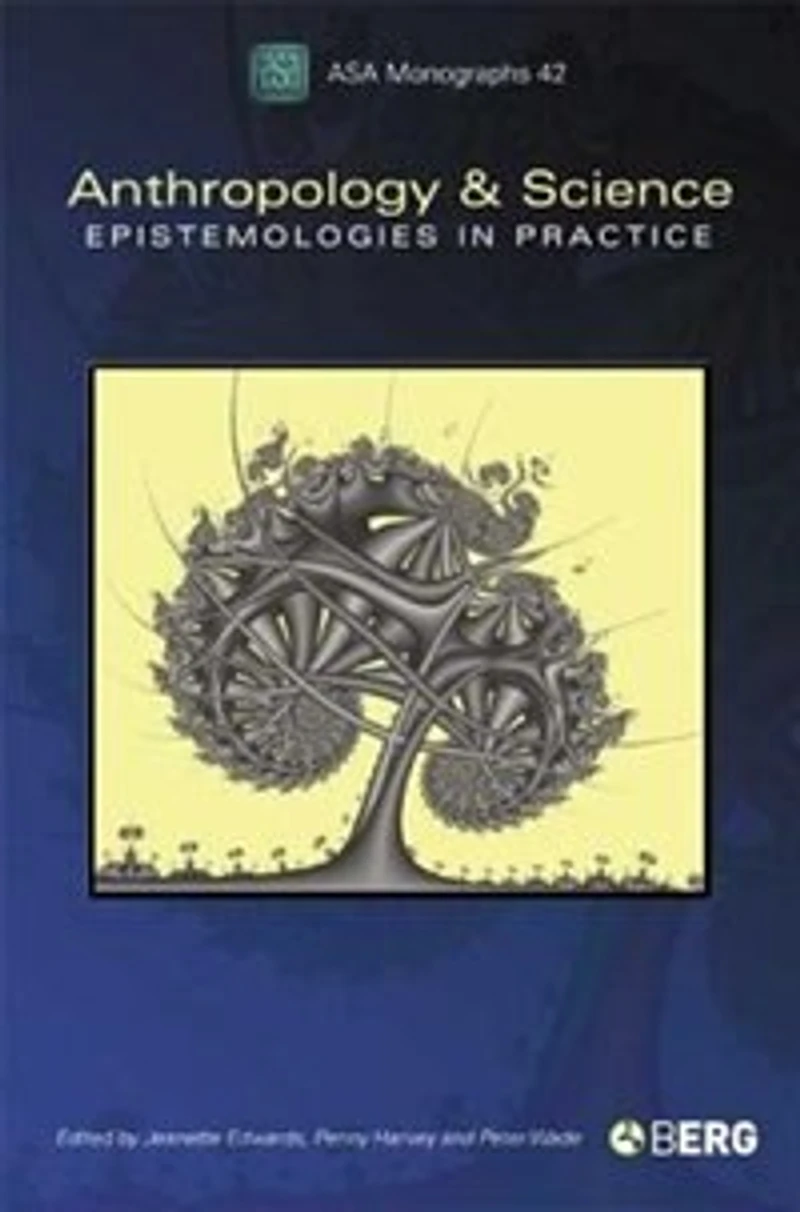
Anthropology and Science: Epistemologies Practice
Current price: $296.50

Anthropology and Science: Epistemologies Practice
Current price: $296.50
Loading Inventory...
Size: Hardcover
*Product information may vary - to confirm product availability, pricing, shipping and return information please contact Indigo
What does it mean to know something - scientifically, anthropologically, socially? What is the relationship between different forms of knowledge and ways of knowing? How is knowledge mobilised in society and to what ends? Drawing on ethnographic examples from across the world, and from the virtual and global 'places' created by new information technologies, Anthropology and Science presents examples of living and dynamic epistemologies and practices, and of how scientific ways of knowing operate in the world. Authors address the nature of both scientific and experiential knowledge, and look at competing and alternative ideas about what it means to be human. The essays analyze the politics and ethics of positioning 'science', 'culture' or 'society' as authoritative. They explore how certain modes of knowing are made authoritative and command allegiance (or not), and look at scientific and other rationalities - whether these challenge or are compatible with science.
What does it mean to know something - scientifically, anthropologically, socially? What is the relationship between different forms of knowledge and ways of knowing? How is knowledge mobilised in society and to what ends? Drawing on ethnographic examples from across the world, and from the virtual and global 'places' created by new information technologies, Anthropology and Science presents examples of living and dynamic epistemologies and practices, and of how scientific ways of knowing operate in the world. Authors address the nature of both scientific and experiential knowledge, and look at competing and alternative ideas about what it means to be human. The essays analyze the politics and ethics of positioning 'science', 'culture' or 'society' as authoritative. They explore how certain modes of knowing are made authoritative and command allegiance (or not), and look at scientific and other rationalities - whether these challenge or are compatible with science.
You May Also Like









More About Indigo at Erin Mills Town Centre
The largest book retailer in Canada also offers toys, music, home décor, gifts and lifestyle products. What's Inside...Books, Magazines, CD’s and DVD’s, Toys and Gifts, Home Accents, Electronics, Baby’s and Children’s Section, Bath and Body, Kitchen and Bedroom, Stationary Located outside in the exterior plaza.
5015 Glen Erin Dr, Mississauga, ON L5M 0R7, Canada
Find Indigo at Erin Mills Town Centre in Mississauga ON
Visit Indigo at Erin Mills Town Centre in Mississauga ON