

GIVE THE PERFECT GIFT
Erin Mills Town Centre Gift Cards are the perfect choice for your gift giving needs.Purchase gift cards at kiosks near the food court or centre court, at Guest Services, or click below to purchase online.PURCHASE HEREHome
Anthropology Goes Public in the VA
Indigo
Loading Inventory...
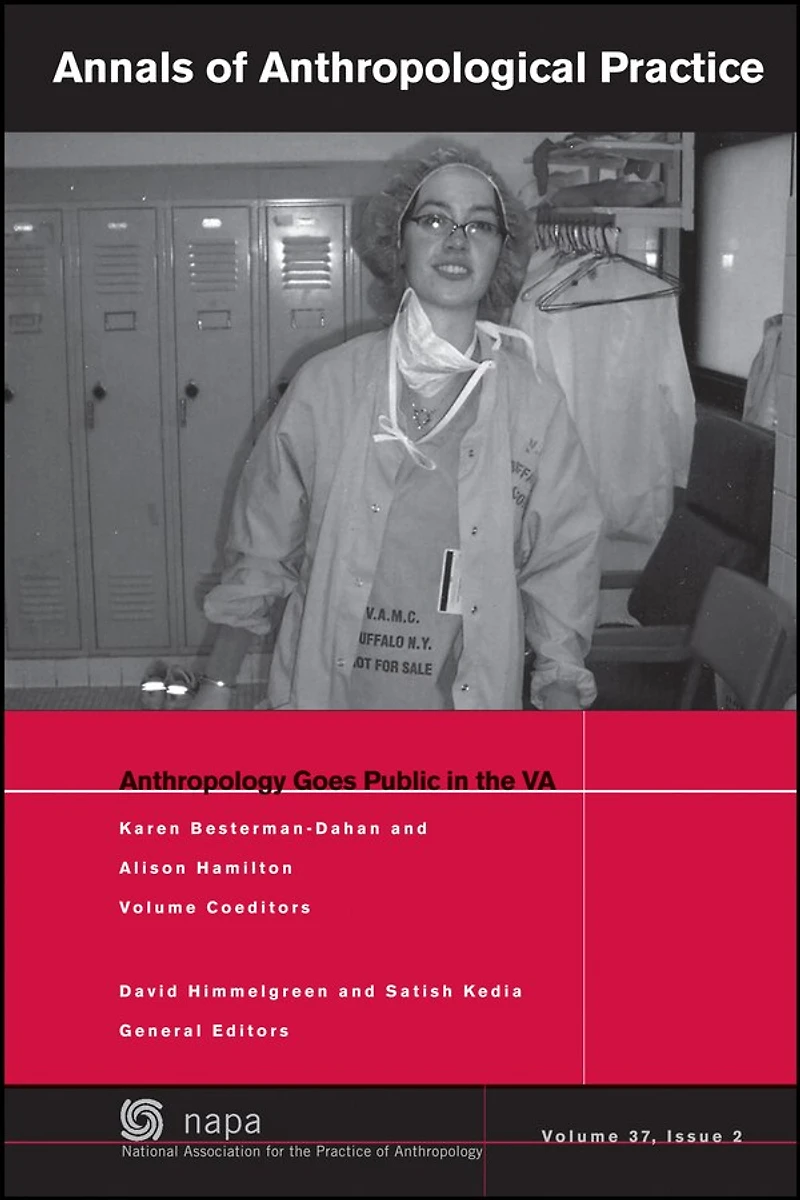
Anthropology Goes Public in the VA
Current price: $36.95

Anthropology Goes Public in the VA
Current price: $36.95
Loading Inventory...
Size: Paperback
*Product information may vary - to confirm product availability, pricing, shipping and return information please contact Indigo
Almost a decade ago, in 2004, noted anthropologist Louise Lamphere observed a "sea change" in anthropology, with the interests of applied, practicing, and public interest anthropologists converging around the themes of increased collaborations and partnerships, outreach to the public, and efforts to influence policy. The sea change was concretized in anthropology's flagship journal, American Anthropologist, with the 2010 inauguration of the "Public Anthropology Reviews" section. Public anthropology, arguably the convergence that Lamphere foretold, represents an expansion of the value and relevance of anthropology, as well as a shift in the production and dissemination of knowledge. Furthermore, as Nancy Scheper-Hughes articulated in 2009, public anthropology involves not only responding to public issues but making public issues. Anthropologists working in the federal sector, such as the Veterans Administration (VA), realize the challenges and rewards of practicing public anthropology on a daily basis. The movement of anthropologists into the largest integrated health care system in the U.S. exemplifies the sea change toward public anthropology, particularly with regard to the contributions our discipline can make to improving health care. This volume addresses three key aspects of the contributors' voices within a growing anthropology in/of/for the VA. First, we describe pathways and approaches to practicing anthropology in the VA. Second, we characterize anthropological contributions to Veteran empowerment efforts. Finally, we illustrate how anthropology informs current dialogues and policies related to Veterans at the margins of health and social services. Within and across these themes, issues of praxis, ethics, action, and service are highlighted. Collectively the contributors resonate with—and exemplify—Scheper-Hughes's contention that public anthropology is a "precious right and a privilege."
Almost a decade ago, in 2004, noted anthropologist Louise Lamphere observed a "sea change" in anthropology, with the interests of applied, practicing, and public interest anthropologists converging around the themes of increased collaborations and partnerships, outreach to the public, and efforts to influence policy. The sea change was concretized in anthropology's flagship journal, American Anthropologist, with the 2010 inauguration of the "Public Anthropology Reviews" section. Public anthropology, arguably the convergence that Lamphere foretold, represents an expansion of the value and relevance of anthropology, as well as a shift in the production and dissemination of knowledge. Furthermore, as Nancy Scheper-Hughes articulated in 2009, public anthropology involves not only responding to public issues but making public issues. Anthropologists working in the federal sector, such as the Veterans Administration (VA), realize the challenges and rewards of practicing public anthropology on a daily basis. The movement of anthropologists into the largest integrated health care system in the U.S. exemplifies the sea change toward public anthropology, particularly with regard to the contributions our discipline can make to improving health care. This volume addresses three key aspects of the contributors' voices within a growing anthropology in/of/for the VA. First, we describe pathways and approaches to practicing anthropology in the VA. Second, we characterize anthropological contributions to Veteran empowerment efforts. Finally, we illustrate how anthropology informs current dialogues and policies related to Veterans at the margins of health and social services. Within and across these themes, issues of praxis, ethics, action, and service are highlighted. Collectively the contributors resonate with—and exemplify—Scheper-Hughes's contention that public anthropology is a "precious right and a privilege."
You May Also Like
















More About Indigo at Erin Mills Town Centre
The largest book retailer in Canada also offers toys, music, home décor, gifts and lifestyle products. What's Inside...Books, Magazines, CD’s and DVD’s, Toys and Gifts, Home Accents, Electronics, Baby’s and Children’s Section, Bath and Body, Kitchen and Bedroom, Stationary Located outside in the exterior plaza.
5015 Glen Erin Dr, Mississauga, ON L5M 0R7, Canada
Find Indigo at Erin Mills Town Centre in Mississauga ON
Visit Indigo at Erin Mills Town Centre in Mississauga ON