

GIVE THE PERFECT GIFT
Erin Mills Town Centre Gift Cards are the perfect choice for your gift giving needs.Purchase gift cards at kiosks near the food court or centre court, at Guest Services, or click below to purchase online.PURCHASE HEREHome
Anticoagulation Management: A Guidebook For Pharmacists
Indigo
Loading Inventory...
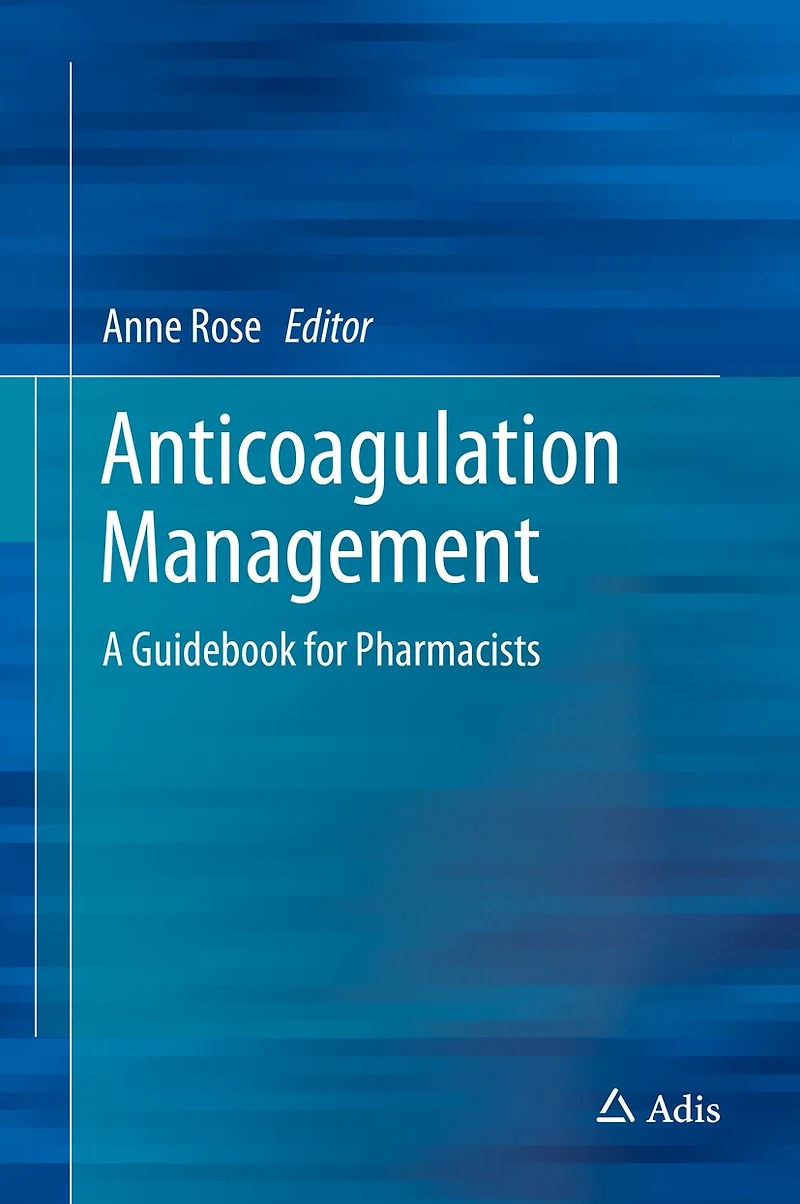
Anticoagulation Management: A Guidebook For Pharmacists
Current price: $80.50

Anticoagulation Management: A Guidebook For Pharmacists
Current price: $80.50
Loading Inventory...
Size: Hardcover
*Product information may vary - to confirm product availability, pricing, shipping and return information please contact Indigo
In addition to acting as a training guide for pharmacists, pharmacy residents and pharmacy students who seek to practice in areas associated with patients on anticoagulant therapy, the information presented within highlights the growing role of the pharmacist in these contexts. Readers will find useful information on anticoagulant management across all pharmacy practice areas, including the inpatient, ambulatory, emergency services and transitions of care settings. Particular attention is given to summarizing best practices and providing 'real world' examples of ways in which pharmacists can be involved in anticoagulation management and the impact of such involvement. In the first major section of the book, each chapter focuses on the role of the pharmacist in the management of medication with a specific type of anticoagulants (e.g. warfarin, heparin and target-specific oral agents) in various healthcare settings. A broader overview of the clinical management of anticoagulation therapy is provided in the second major section, including descriptions of the role of pharmacists in assessing venous thromboembolism risk, ensuring patients receive appropriate prophylactic therapy, and monitoring outcomes.
In addition to acting as a training guide for pharmacists, pharmacy residents and pharmacy students who seek to practice in areas associated with patients on anticoagulant therapy, the information presented within highlights the growing role of the pharmacist in these contexts. Readers will find useful information on anticoagulant management across all pharmacy practice areas, including the inpatient, ambulatory, emergency services and transitions of care settings. Particular attention is given to summarizing best practices and providing 'real world' examples of ways in which pharmacists can be involved in anticoagulation management and the impact of such involvement. In the first major section of the book, each chapter focuses on the role of the pharmacist in the management of medication with a specific type of anticoagulants (e.g. warfarin, heparin and target-specific oral agents) in various healthcare settings. A broader overview of the clinical management of anticoagulation therapy is provided in the second major section, including descriptions of the role of pharmacists in assessing venous thromboembolism risk, ensuring patients receive appropriate prophylactic therapy, and monitoring outcomes.
You May Also Like











More About Indigo at Erin Mills Town Centre
The largest book retailer in Canada also offers toys, music, home décor, gifts and lifestyle products. What's Inside...Books, Magazines, CD’s and DVD’s, Toys and Gifts, Home Accents, Electronics, Baby’s and Children’s Section, Bath and Body, Kitchen and Bedroom, Stationary Located outside in the exterior plaza.
5015 Glen Erin Dr, Mississauga, ON L5M 0R7, Canada
Find Indigo at Erin Mills Town Centre in Mississauga ON
Visit Indigo at Erin Mills Town Centre in Mississauga ON