

GIVE THE PERFECT GIFT
Erin Mills Town Centre Gift Cards are the perfect choice for your gift giving needs.Purchase gift cards at kiosks near the food court or centre court, at Guest Services, or click below to purchase online.PURCHASE HEREHome
Antimicrobial Resistance And Implications
Indigo
Loading Inventory...
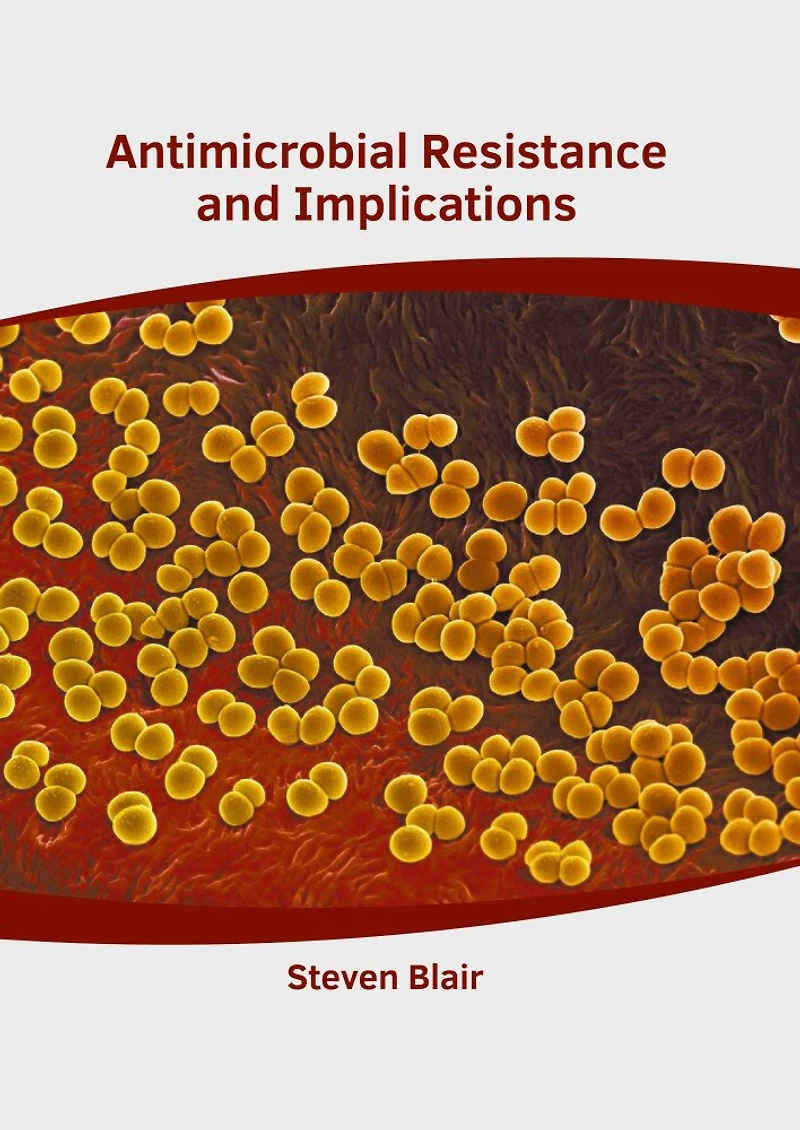
Antimicrobial Resistance And Implications
Current price: $208.81

Antimicrobial Resistance And Implications
Current price: $208.81
Loading Inventory...
Size: Hardcover
*Product information may vary - to confirm product availability, pricing, shipping and return information please contact Indigo
The resistance of a microorganism to an antimicrobial drug that was once able to treat it is known as antimicrobial resistance. Antimicrobial resistance also develops through the natural resistance in certain bacteria, genetic mutation or one species can acquire resistance from another species. Antibiotic resistance is a subset of antimicrobial resistance which is related to pathogenic bacteria. It is sub-divided into microbiological and clinical resistance. The microbiologically linked resistance occurs from genes that enable the bacteria to resist the mechanism associated with certain antibiotics. Resistant microbes are difficult to treat and require alternative medication or a high dose of antimicrobials. Clinical resistance occurs through the failure of many therapeutic techniques where the bacteria that were likely to be treated, become resistant after surviving the treatment. This book contains some path-breaking studies in the field of antimicrobial resistance. It consists of contributions made by international experts. Those in search of information to further their knowledge will be greatly assisted by this book.
The resistance of a microorganism to an antimicrobial drug that was once able to treat it is known as antimicrobial resistance. Antimicrobial resistance also develops through the natural resistance in certain bacteria, genetic mutation or one species can acquire resistance from another species. Antibiotic resistance is a subset of antimicrobial resistance which is related to pathogenic bacteria. It is sub-divided into microbiological and clinical resistance. The microbiologically linked resistance occurs from genes that enable the bacteria to resist the mechanism associated with certain antibiotics. Resistant microbes are difficult to treat and require alternative medication or a high dose of antimicrobials. Clinical resistance occurs through the failure of many therapeutic techniques where the bacteria that were likely to be treated, become resistant after surviving the treatment. This book contains some path-breaking studies in the field of antimicrobial resistance. It consists of contributions made by international experts. Those in search of information to further their knowledge will be greatly assisted by this book.
You May Also Like







More About Indigo at Erin Mills Town Centre
The largest book retailer in Canada also offers toys, music, home décor, gifts and lifestyle products. What's Inside...Books, Magazines, CD’s and DVD’s, Toys and Gifts, Home Accents, Electronics, Baby’s and Children’s Section, Bath and Body, Kitchen and Bedroom, Stationary Located outside in the exterior plaza.
5015 Glen Erin Dr, Mississauga, ON L5M 0R7, Canada
Find Indigo at Erin Mills Town Centre in Mississauga ON
Visit Indigo at Erin Mills Town Centre in Mississauga ON