

GIVE THE PERFECT GIFT
Erin Mills Town Centre Gift Cards are the perfect choice for your gift giving needs.Purchase gift cards at kiosks near the food court or centre court, at Guest Services, or click below to purchase online.PURCHASE HEREHome
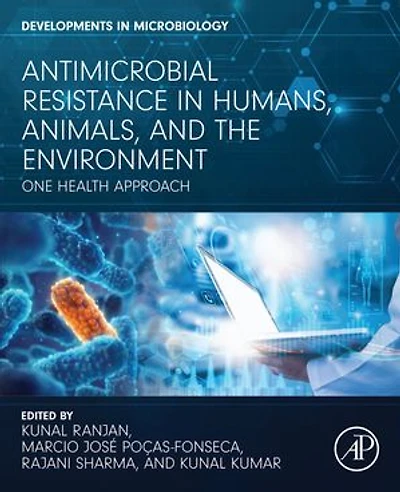
Antimicrobial Resistance: Global Challenges and Future Interventions
Indigo
Loading Inventory...
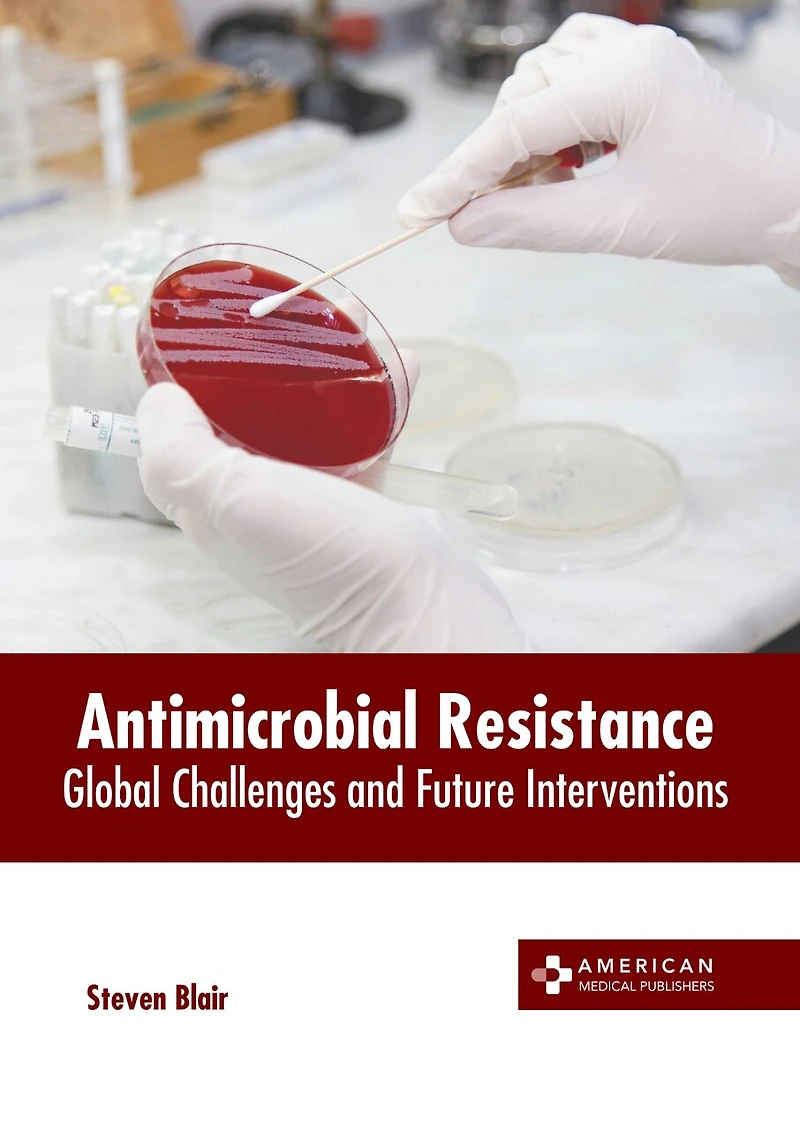
Antimicrobial Resistance: Global Challenges and Future Interventions
Current price: $210.80

Antimicrobial Resistance: Global Challenges and Future Interventions
Current price: $210.80
Loading Inventory...
Size: Hardcover
*Product information may vary - to confirm product availability, pricing, shipping and return information please contact Indigo
Antimicrobial resistance (AMR) happens when microbes develop mechanisms that guard them against the outcomes of antimicrobials. The agents that kill or stop the growth of microorganisms are called antimicrobials. The classification of antimicrobials is based on their function. For instance, antibiotics are used against bacteria and antifungals are used against fungi. The main causes of rising antimicrobial resistance are the usage of antimicrobials in humans and other animals, and the dissemination of resistant strains between the two. The multifold rise in resistance has also been related to the pharmaceutical sector releasing insufficiently treated effluents in the environment, particularly in nations where bulk medicines are made. Antimicrobials boost selective pressure in microbial populations, leading to the death of vulnerable microorganisms. This results in a rise in the percentage of resistant bacteria that survive. Resistant bacteria usually have a growth advantage and proliferate faster than vulnerable bacteria, even at very low levels of antibiotics. Antimicrobial resistance is becoming more widespread, necessitating the development of alternate treatments. The aim of this book is to present researches that have transformed the study of antimicrobial resistance and aided its advancement. It will help the readers in keeping pace with the rapid changes in this field of study.
Antimicrobial resistance (AMR) happens when microbes develop mechanisms that guard them against the outcomes of antimicrobials. The agents that kill or stop the growth of microorganisms are called antimicrobials. The classification of antimicrobials is based on their function. For instance, antibiotics are used against bacteria and antifungals are used against fungi. The main causes of rising antimicrobial resistance are the usage of antimicrobials in humans and other animals, and the dissemination of resistant strains between the two. The multifold rise in resistance has also been related to the pharmaceutical sector releasing insufficiently treated effluents in the environment, particularly in nations where bulk medicines are made. Antimicrobials boost selective pressure in microbial populations, leading to the death of vulnerable microorganisms. This results in a rise in the percentage of resistant bacteria that survive. Resistant bacteria usually have a growth advantage and proliferate faster than vulnerable bacteria, even at very low levels of antibiotics. Antimicrobial resistance is becoming more widespread, necessitating the development of alternate treatments. The aim of this book is to present researches that have transformed the study of antimicrobial resistance and aided its advancement. It will help the readers in keeping pace with the rapid changes in this field of study.
You May Also Like









More About Indigo at Erin Mills Town Centre
The largest book retailer in Canada also offers toys, music, home décor, gifts and lifestyle products. What's Inside...Books, Magazines, CD’s and DVD’s, Toys and Gifts, Home Accents, Electronics, Baby’s and Children’s Section, Bath and Body, Kitchen and Bedroom, Stationary Located outside in the exterior plaza.
5015 Glen Erin Dr, Mississauga, ON L5M 0R7, Canada
Find Indigo at Erin Mills Town Centre in Mississauga ON
Visit Indigo at Erin Mills Town Centre in Mississauga ON