

GIVE THE PERFECT GIFT
Erin Mills Town Centre Gift Cards are the perfect choice for your gift giving needs.Purchase gift cards at kiosks near the food court or centre court, at Guest Services, or click below to purchase online.PURCHASE HEREHome
Antioch Syria: A History from Coins (300 BCE–450 CE)
Indigo
Loading Inventory...
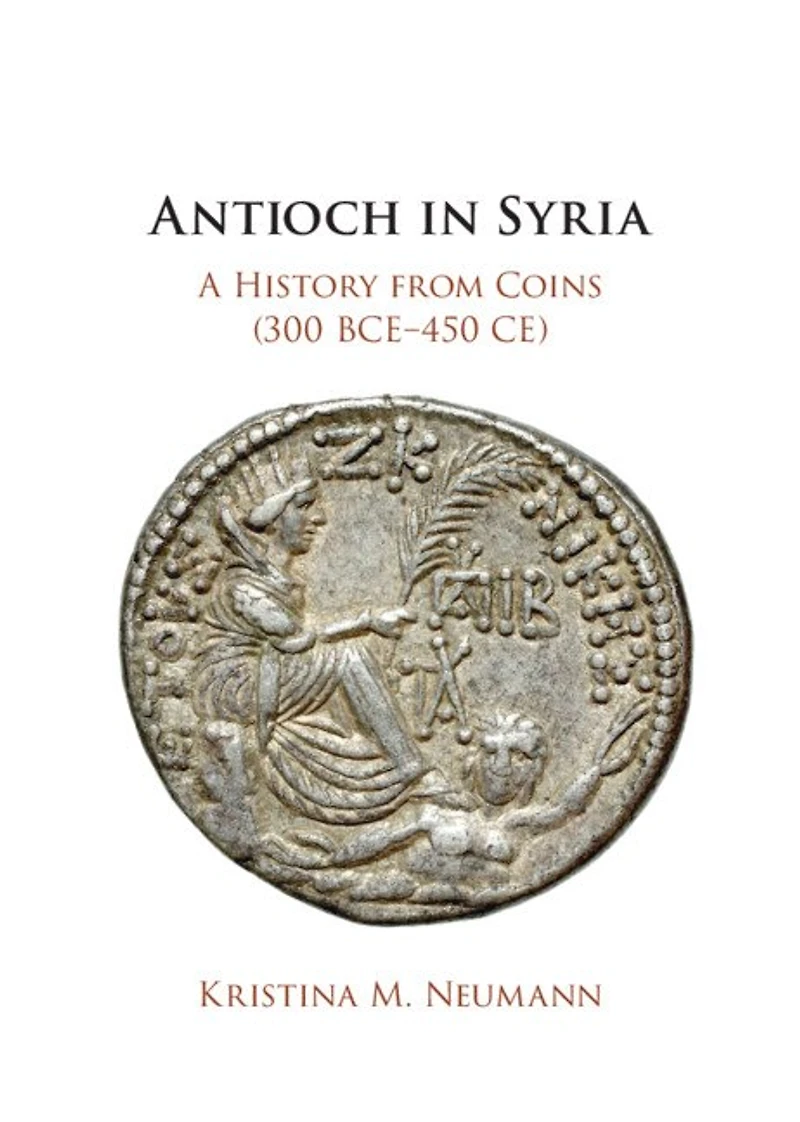
Antioch Syria: A History from Coins (300 BCE–450 CE)
Current price: $152.95

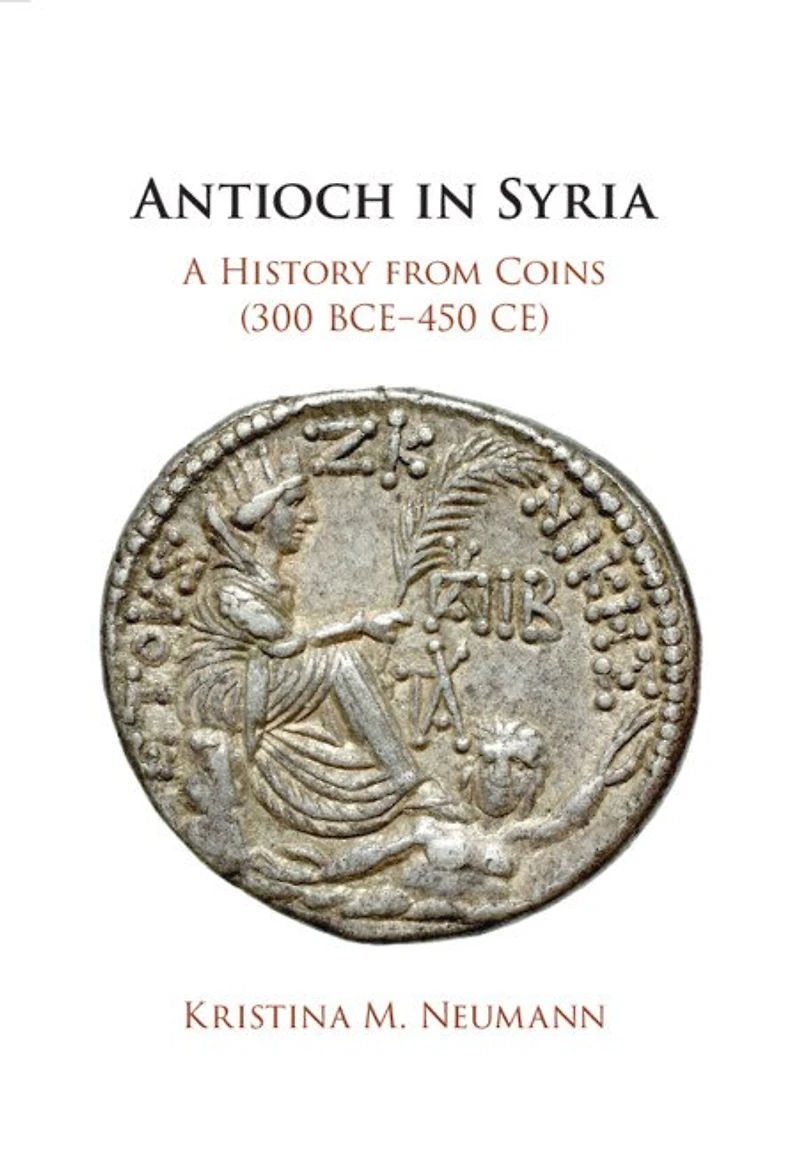
Antioch Syria: A History from Coins (300 BCE–450 CE)
Current price: $152.95
Loading Inventory...
Size: Hardcover
*Product information may vary - to confirm product availability, pricing, shipping and return information please contact Indigo
Antioch in Syria critically reassesses this ancient city from its Seleucid foundation into Late Antiquity. Although Antioch's prominence is famous, Kristina M. Neumann newly exposes the gradations of imperial power and local agency mediated within its walls through a comprehensive study of the coins minted there and excavated throughout the Mediterranean and Middle East. Patterns revealed through digital mapping and Exploratory Data Analysis serve as a significant index of spatial politics and the policies of the different authorities making use of the city. Evaluating the coins against other historical material reveals that Antioch's status was not fixed, nor the people passive pawns for external powers. Instead, as imperial governments capitalised upon Antioch's location and amenities, the citizens developed in their own distinct identities and agency. Antioch of the Antiochians must therefore be elevated from traditional narratives and static characterisations, being studied and celebrated for the dynamic polis it was.
Antioch in Syria critically reassesses this ancient city from its Seleucid foundation into Late Antiquity. Although Antioch's prominence is famous, Kristina M. Neumann newly exposes the gradations of imperial power and local agency mediated within its walls through a comprehensive study of the coins minted there and excavated throughout the Mediterranean and Middle East. Patterns revealed through digital mapping and Exploratory Data Analysis serve as a significant index of spatial politics and the policies of the different authorities making use of the city. Evaluating the coins against other historical material reveals that Antioch's status was not fixed, nor the people passive pawns for external powers. Instead, as imperial governments capitalised upon Antioch's location and amenities, the citizens developed in their own distinct identities and agency. Antioch of the Antiochians must therefore be elevated from traditional narratives and static characterisations, being studied and celebrated for the dynamic polis it was.
You May Also Like








More About Indigo at Erin Mills Town Centre
The largest book retailer in Canada also offers toys, music, home décor, gifts and lifestyle products. What's Inside...Books, Magazines, CD’s and DVD’s, Toys and Gifts, Home Accents, Electronics, Baby’s and Children’s Section, Bath and Body, Kitchen and Bedroom, Stationary Located outside in the exterior plaza.
5015 Glen Erin Dr, Mississauga, ON L5M 0R7, Canada
Find Indigo at Erin Mills Town Centre in Mississauga ON
Visit Indigo at Erin Mills Town Centre in Mississauga ON