

GIVE THE PERFECT GIFT
Erin Mills Town Centre Gift Cards are the perfect choice for your gift giving needs.Purchase gift cards at kiosks near the food court or centre court, at Guest Services, or click below to purchase online.PURCHASE HEREHome
Antiquarian Literature in the Sixteenth Century: Archaeology and Epigraphy in Printed Books and Manuscripts
Indigo
Loading Inventory...
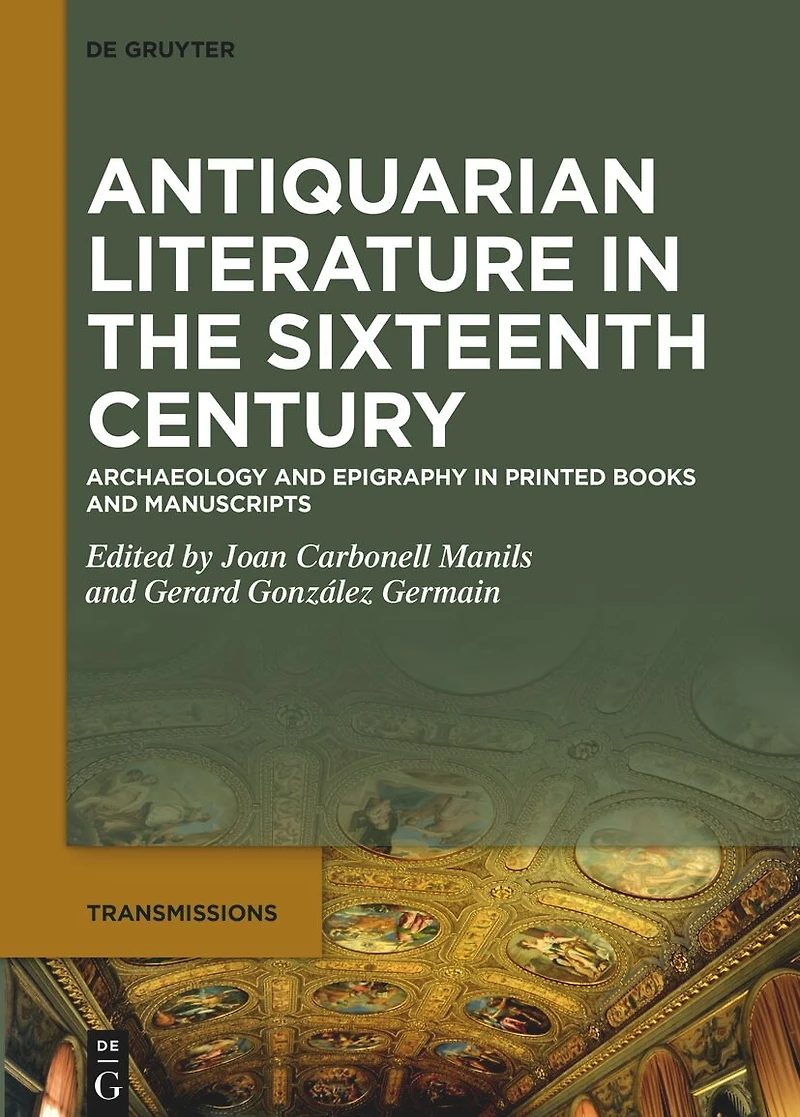
Antiquarian Literature in the Sixteenth Century: Archaeology and Epigraphy in Printed Books and Manuscripts
Current price: $162.99

Antiquarian Literature in the Sixteenth Century: Archaeology and Epigraphy in Printed Books and Manuscripts
Current price: $162.99
Loading Inventory...
Size: Hardcover
*Product information may vary - to confirm product availability, pricing, shipping and return information please contact Indigo
During the sixteenth century, antiquarian studies (the study of the material past, comprising modern archaeology, epigraphy, and numismatics) rose in Europe in parallel to the technical development of the printing press. Some humanists continued to prefer the manuscript form to disseminate their findings – as numerous fair copies of sylloges and treatises attest –, but slowly the printed medium grew in popularity, with its obvious advantages but also its many challenges. As antiquarian printed works appeared, the relationship between manuscript and printed sources also became less linear: printed copies of earlier works were annotated to serve as a means of research, and printed works could be copied by hand – partially or even completely. This book explores how antiquarian literature (collections of inscriptions, treatises, letters...) developed throughout the sixteenth century, both in manuscript and in print; how both media interacted with each other, and how these printed antiquarian works were received, as attested by the manuscript annotations left by their early modern owners and readers.
During the sixteenth century, antiquarian studies (the study of the material past, comprising modern archaeology, epigraphy, and numismatics) rose in Europe in parallel to the technical development of the printing press. Some humanists continued to prefer the manuscript form to disseminate their findings – as numerous fair copies of sylloges and treatises attest –, but slowly the printed medium grew in popularity, with its obvious advantages but also its many challenges. As antiquarian printed works appeared, the relationship between manuscript and printed sources also became less linear: printed copies of earlier works were annotated to serve as a means of research, and printed works could be copied by hand – partially or even completely. This book explores how antiquarian literature (collections of inscriptions, treatises, letters...) developed throughout the sixteenth century, both in manuscript and in print; how both media interacted with each other, and how these printed antiquarian works were received, as attested by the manuscript annotations left by their early modern owners and readers.
You May Also Like







More About Indigo at Erin Mills Town Centre
The largest book retailer in Canada also offers toys, music, home décor, gifts and lifestyle products. What's Inside...Books, Magazines, CD’s and DVD’s, Toys and Gifts, Home Accents, Electronics, Baby’s and Children’s Section, Bath and Body, Kitchen and Bedroom, Stationary Located outside in the exterior plaza.
5015 Glen Erin Dr, Mississauga, ON L5M 0R7, Canada
Find Indigo at Erin Mills Town Centre in Mississauga ON
Visit Indigo at Erin Mills Town Centre in Mississauga ON