

GIVE THE PERFECT GIFT
Erin Mills Town Centre Gift Cards are the perfect choice for your gift giving needs.Purchase gift cards at kiosks near the food court or centre court, at Guest Services, or click below to purchase online.PURCHASE HEREHome
Antisatire: In Defense Of Women, Against Francesco Buoninsegni
Indigo
Loading Inventory...
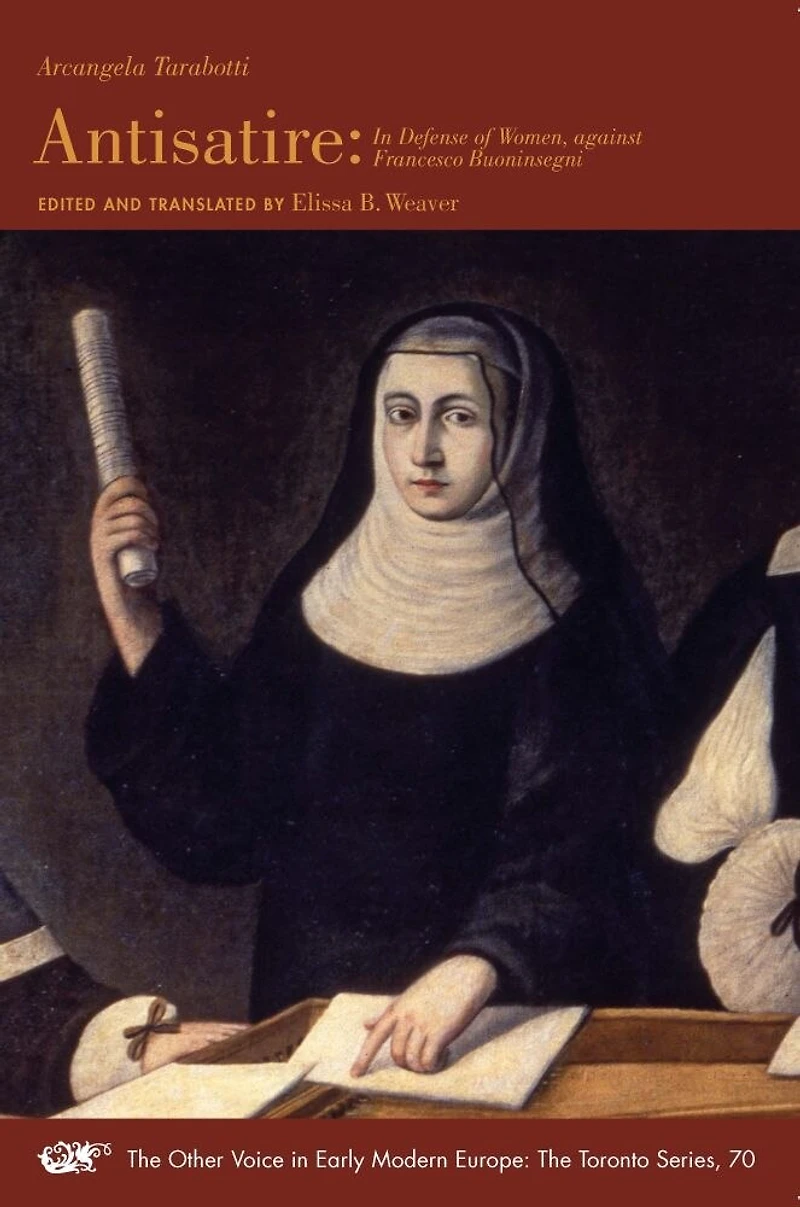
Antisatire: In Defense Of Women, Against Francesco Buoninsegni
Current price: $54.95

Antisatire: In Defense Of Women, Against Francesco Buoninsegni
Current price: $54.95
Loading Inventory...
Size: Paperback
*Product information may vary - to confirm product availability, pricing, shipping and return information please contact Indigo
Arcangela Tarabotti (1604–1652), Venetian nun and polemicist, was known for her protest against forced monachization and her advocacy for the education of women and their participation in public life. She responded to Francesco Buoninsegni’s Against the Vanities of Women (1638) with the Antisatire (1644), a defense of women’s fashions and a denunciation of men, but also a strong condemnation of men’s treatment of women and of the subordination of women in society. Both Buoninsegni and Tarabotti write with the exaggeration and absurd arguments typical of Menippean satire; they flaunt their knowledge of ancient and contemporary literature in a prose interspersed with poetry and replete with the astonishing Baroque conceits that delighted their contemporaries.
The Other Voice in Early Modern Women: The Toronto Series volume 70
Arcangela Tarabotti (1604–1652), Venetian nun and polemicist, was known for her protest against forced monachization and her advocacy for the education of women and their participation in public life. She responded to Francesco Buoninsegni’s Against the Vanities of Women (1638) with the Antisatire (1644), a defense of women’s fashions and a denunciation of men, but also a strong condemnation of men’s treatment of women and of the subordination of women in society. Both Buoninsegni and Tarabotti write with the exaggeration and absurd arguments typical of Menippean satire; they flaunt their knowledge of ancient and contemporary literature in a prose interspersed with poetry and replete with the astonishing Baroque conceits that delighted their contemporaries.
The Other Voice in Early Modern Women: The Toronto Series volume 70
You May Also Like
















More About Indigo at Erin Mills Town Centre
The largest book retailer in Canada also offers toys, music, home décor, gifts and lifestyle products. What's Inside...Books, Magazines, CD’s and DVD’s, Toys and Gifts, Home Accents, Electronics, Baby’s and Children’s Section, Bath and Body, Kitchen and Bedroom, Stationary Located outside in the exterior plaza.
5015 Glen Erin Dr, Mississauga, ON L5M 0R7, Canada
Find Indigo at Erin Mills Town Centre in Mississauga ON
Visit Indigo at Erin Mills Town Centre in Mississauga ON