

GIVE THE PERFECT GIFT
Erin Mills Town Centre Gift Cards are the perfect choice for your gift giving needs.Purchase gift cards at kiosks near the food court or centre court, at Guest Services, or click below to purchase online.PURCHASE HEREHome
Apocalypse without God: Apocalyptic Thought, Ideal Politics, and the Limits of Utopian Hope
Indigo
Loading Inventory...
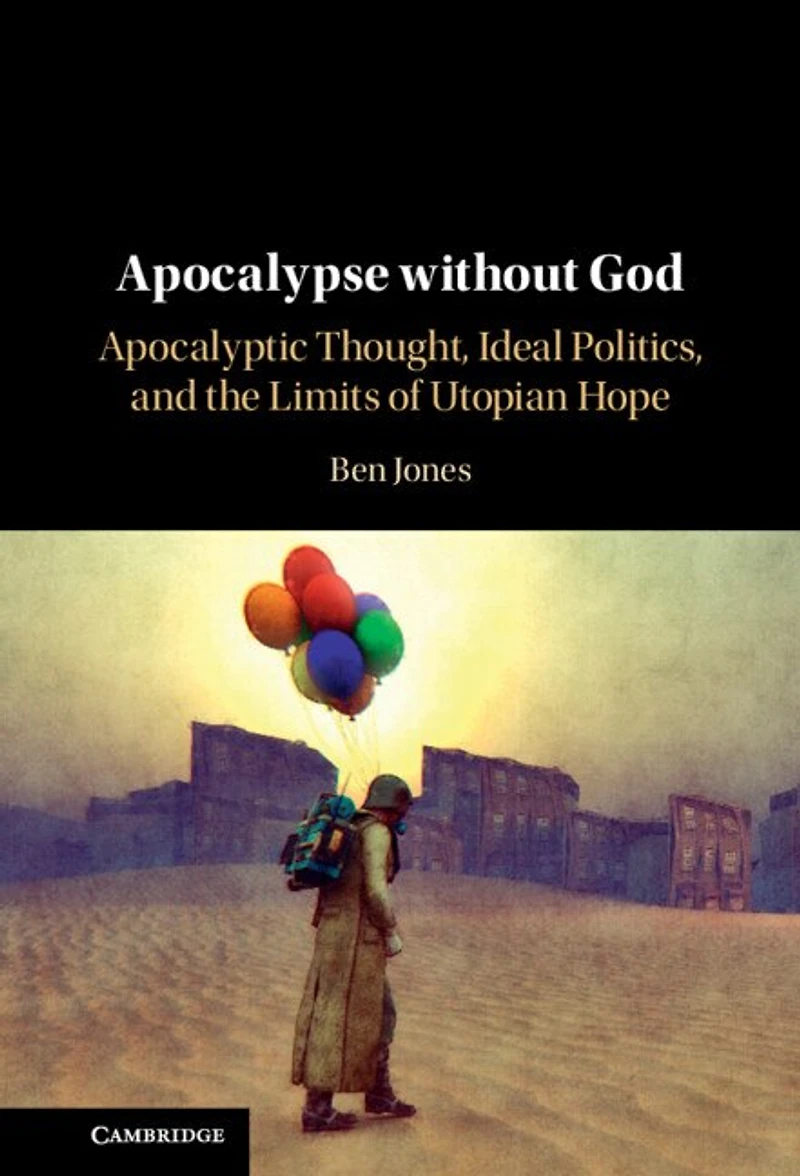
Apocalypse without God: Apocalyptic Thought, Ideal Politics, and the Limits of Utopian Hope
Current price: $127.95

Apocalypse without God: Apocalyptic Thought, Ideal Politics, and the Limits of Utopian Hope
Current price: $127.95
Loading Inventory...
Size: Hardcover
*Product information may vary - to confirm product availability, pricing, shipping and return information please contact Indigo
Apocalypse, it seems, is everywhere. Preachers with vast followings proclaim the world's end. Apocalyptic fears grip even the nonreligious amid climate change, pandemics, and threats of nuclear war. As these ideas pervade popular discourse, grasping their logic remains elusive. Ben Jones argues that we can gain insight into apocalyptic thought through secular thinkers. He starts with a puzzle: Why would secular thinkers draw on Christian apocalyptic beliefs – often dismissed as bizarre – to interpret politics? The apocalyptic tradition proves appealing in part because it theorizes a relation between crisis and utopia. Apocalyptic thought points to crisis as the vehicle to bring the previously impossible within reach, offering resources for navigating challenges in ideal theory, which involves imagining the best, most just society. By examining apocalyptic thought's appeal and risks, this study arrives at new insights on the limits of utopian hope. This title is available as open access on Cambridge Core.
Apocalypse, it seems, is everywhere. Preachers with vast followings proclaim the world's end. Apocalyptic fears grip even the nonreligious amid climate change, pandemics, and threats of nuclear war. As these ideas pervade popular discourse, grasping their logic remains elusive. Ben Jones argues that we can gain insight into apocalyptic thought through secular thinkers. He starts with a puzzle: Why would secular thinkers draw on Christian apocalyptic beliefs – often dismissed as bizarre – to interpret politics? The apocalyptic tradition proves appealing in part because it theorizes a relation between crisis and utopia. Apocalyptic thought points to crisis as the vehicle to bring the previously impossible within reach, offering resources for navigating challenges in ideal theory, which involves imagining the best, most just society. By examining apocalyptic thought's appeal and risks, this study arrives at new insights on the limits of utopian hope. This title is available as open access on Cambridge Core.
You May Also Like










More About Indigo at Erin Mills Town Centre
The largest book retailer in Canada also offers toys, music, home décor, gifts and lifestyle products. What's Inside...Books, Magazines, CD’s and DVD’s, Toys and Gifts, Home Accents, Electronics, Baby’s and Children’s Section, Bath and Body, Kitchen and Bedroom, Stationary Located outside in the exterior plaza.
5015 Glen Erin Dr, Mississauga, ON L5M 0R7, Canada
Find Indigo at Erin Mills Town Centre in Mississauga ON
Visit Indigo at Erin Mills Town Centre in Mississauga ON