

GIVE THE PERFECT GIFT
Erin Mills Town Centre Gift Cards are the perfect choice for your gift giving needs.Purchase gift cards at kiosks near the food court or centre court, at Guest Services, or click below to purchase online.PURCHASE HEREHome
Apocalyptic Territories: Setting And Revelation Contemporary American Fiction
Indigo
Loading Inventory...
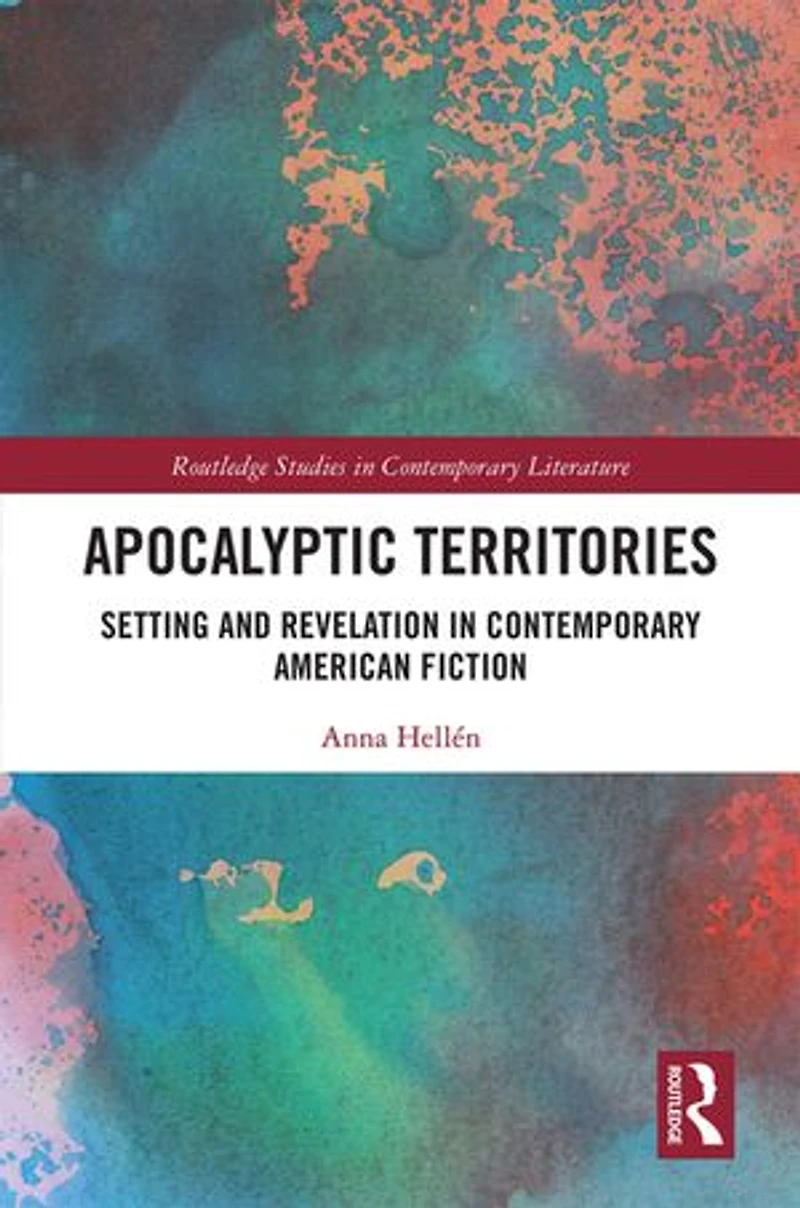
Apocalyptic Territories: Setting And Revelation Contemporary American Fiction
Current price: $84.13

Apocalyptic Territories: Setting And Revelation Contemporary American Fiction
Current price: $84.13
Loading Inventory...
Size: Kobo eBook
*Product information may vary - to confirm product availability, pricing, shipping and return information please contact Indigo
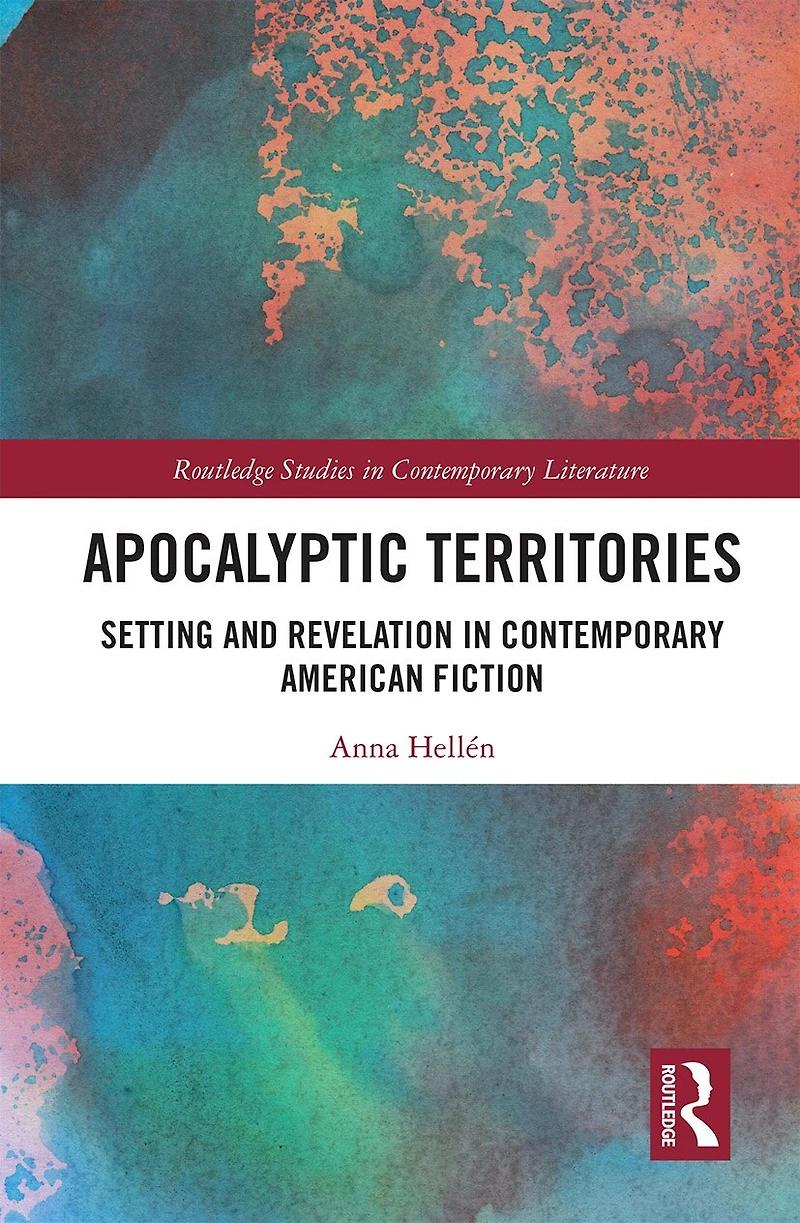
Research on the relationship between the apocalyptic tradition and the literary imagination has typically espoused a temporal approach which in one way or another revolves around the order of events that precedes the end of history and the ensuing establishment of a new world. This study, by contrast, explores the spatial dimensions of apocalypse, more precisely the way in which the settings of the Book of Revelation are taken up by contemporary American writers and related to more general but also more contested concerns of territorial integrity and national identity. Influenced by Lefebvre's theories, the study understands territory not simply as the container of certain structures and practices but also as the result of them, just as bird song is not framed by but rather constructive of territorial borders. It is the equivalent of such 'songs' that this book seeks to listen in on, i.e. the apocalyptic narratives that have been passed on through the centuries to define and sustain territory on a local, regional, and national level, and the way in which seven novels by Rick Moody, Toni Morrison, Jesmyn Ward, Cormac McCarthy, and Michael Chabon respond to them.
Research on the relationship between the apocalyptic tradition and the literary imagination has typically espoused a temporal approach which in one way or another revolves around the order of events that precedes the end of history and the ensuing establishment of a new world. This study, by contrast, explores the spatial dimensions of apocalypse, more precisely the way in which the settings of the Book of Revelation are taken up by contemporary American writers and related to more general but also more contested concerns of territorial integrity and national identity. Influenced by Lefebvre's theories, the study understands territory not simply as the container of certain structures and practices but also as the result of them, just as bird song is not framed by but rather constructive of territorial borders. It is the equivalent of such 'songs' that this book seeks to listen in on, i.e. the apocalyptic narratives that have been passed on through the centuries to define and sustain territory on a local, regional, and national level, and the way in which seven novels by Rick Moody, Toni Morrison, Jesmyn Ward, Cormac McCarthy, and Michael Chabon respond to them.
You May Also Like












More About Indigo at Erin Mills Town Centre
The largest book retailer in Canada also offers toys, music, home décor, gifts and lifestyle products. What's Inside...Books, Magazines, CD’s and DVD’s, Toys and Gifts, Home Accents, Electronics, Baby’s and Children’s Section, Bath and Body, Kitchen and Bedroom, Stationary Located outside in the exterior plaza.
5015 Glen Erin Dr, Mississauga, ON L5M 0R7, Canada
Find Indigo at Erin Mills Town Centre in Mississauga ON
Visit Indigo at Erin Mills Town Centre in Mississauga ON