

GIVE THE PERFECT GIFT
Erin Mills Town Centre Gift Cards are the perfect choice for your gift giving needs.Purchase gift cards at kiosks near the food court or centre court, at Guest Services, or click below to purchase online.PURCHASE HEREHome
Apostates, Hybrids, or True Jews?: Jewish Christians and Identity Eastern Europe, 1860-1914
Indigo
Loading Inventory...
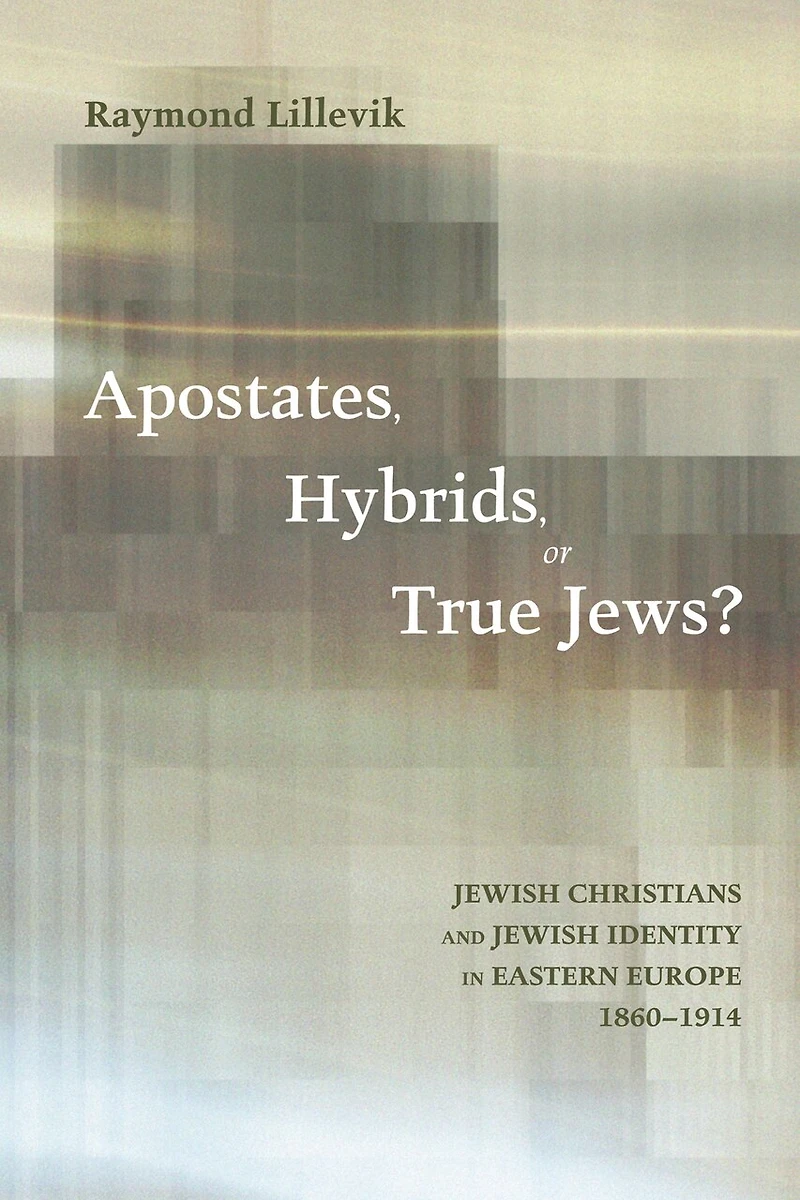
Apostates, Hybrids, or True Jews?: Jewish Christians and Identity Eastern Europe, 1860-1914
Current price: $103.30

Apostates, Hybrids, or True Jews?: Jewish Christians and Identity Eastern Europe, 1860-1914
Current price: $103.30
Loading Inventory...
Size: Hardcover
*Product information may vary - to confirm product availability, pricing, shipping and return information please contact Indigo
This book explores the relationship between Christian faith and Jewish identity from the perspective of three Jewish believers in Jesus living in eastern and central Europe before World War 1: Rudolf Hermann (Chaim) Gurland, Christian Theophilus Lucky (Chaim Jedidjah Pollak), and Isaac (Ignatz) Lichtenstein. They were all rabbis or had rabbinic education, and were in different ways combining their faith in Jesus as Messiah with a Jewish identity. The book offers a biographical study of the three men and an analysis of their understandings of identity. This analysis considers five categories for identification: the relation of Gurland, Lucky, and Lichtenstein to Jewish tradition, to the Jewish people, to Christian tradition, to the Christian community, and to the network of Jewish believers in Jesus. Lillevik argues that Gurland, Lucky, and Lichtenstein in very different ways transcended essentialist as well as constructionist ideas of Jewish and Christian identity.
This book explores the relationship between Christian faith and Jewish identity from the perspective of three Jewish believers in Jesus living in eastern and central Europe before World War 1: Rudolf Hermann (Chaim) Gurland, Christian Theophilus Lucky (Chaim Jedidjah Pollak), and Isaac (Ignatz) Lichtenstein. They were all rabbis or had rabbinic education, and were in different ways combining their faith in Jesus as Messiah with a Jewish identity. The book offers a biographical study of the three men and an analysis of their understandings of identity. This analysis considers five categories for identification: the relation of Gurland, Lucky, and Lichtenstein to Jewish tradition, to the Jewish people, to Christian tradition, to the Christian community, and to the network of Jewish believers in Jesus. Lillevik argues that Gurland, Lucky, and Lichtenstein in very different ways transcended essentialist as well as constructionist ideas of Jewish and Christian identity.
You May Also Like







More About Indigo at Erin Mills Town Centre
The largest book retailer in Canada also offers toys, music, home décor, gifts and lifestyle products. What's Inside...Books, Magazines, CD’s and DVD’s, Toys and Gifts, Home Accents, Electronics, Baby’s and Children’s Section, Bath and Body, Kitchen and Bedroom, Stationary Located outside in the exterior plaza.
5015 Glen Erin Dr, Mississauga, ON L5M 0R7, Canada
Find Indigo at Erin Mills Town Centre in Mississauga ON
Visit Indigo at Erin Mills Town Centre in Mississauga ON