

GIVE THE PERFECT GIFT
Erin Mills Town Centre Gift Cards are the perfect choice for your gift giving needs.Purchase gift cards at kiosks near the food court or centre court, at Guest Services, or click below to purchase online.PURCHASE HEREHome
Applied Economics for Development: Empirical Approaches to Selected Social and Economic Issues Transition Economies
Indigo
Loading Inventory...
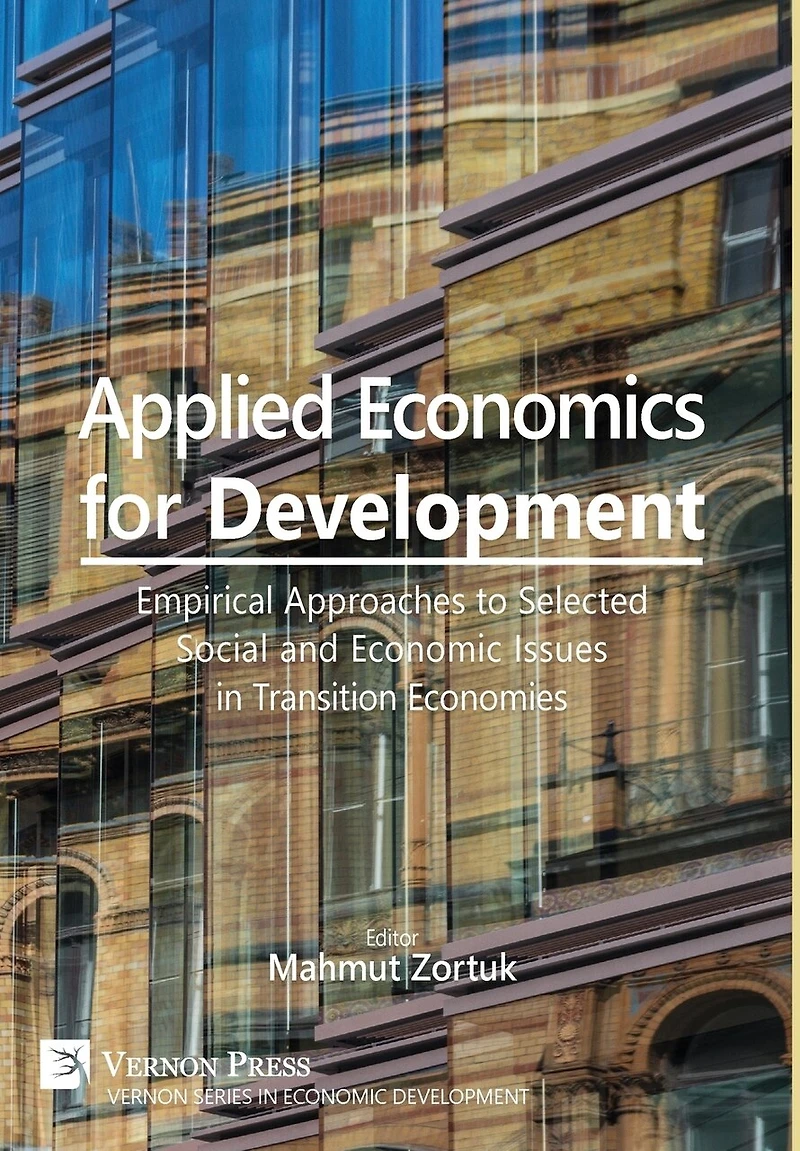
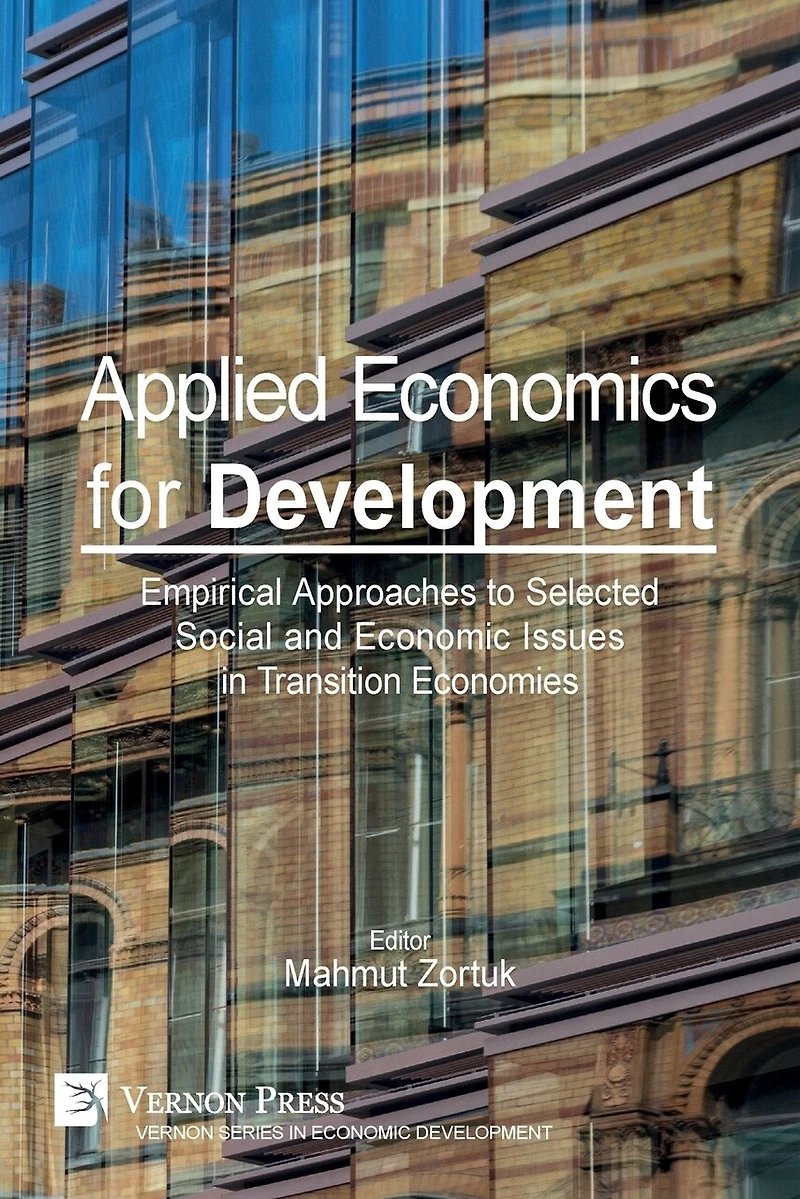
Applied Economics for Development: Empirical Approaches to Selected Social and Economic Issues Transition Economies
Current price: $121.00

Applied Economics for Development: Empirical Approaches to Selected Social and Economic Issues Transition Economies
Current price: $121.00
Loading Inventory...
Size: Hardcover
*Product information may vary - to confirm product availability, pricing, shipping and return information please contact Indigo
Transition economies experience transformation of their economic system. Following the disintegration of the Soviet Union, a number of former socialist countries underwent transitions from central planning to a market economy. More generally, many rapidly growing economies undergo no less profound transformations of their economic systems. Contrary to common misconception, the transition process cannot be simply reduced to eliminating state intervention and liberalizing the economy. Economies under transition exhibit a unique set of policy challenges. Unlike developed market economies, missing markets or market failures abound. Economic transformation takes the form of rapidly evolving patterns of international trade and investment, industrial structure and consumption. These changes call for appropriate public policies. A continuing flow of investment hinges on suitable institutions, the provision of public infrastructure and other public goods. Adequate regulation can be central in ensuring that environmental resources are sustainably managed. And sophisticated production systems, call for corresponding social institutions in terms of education, health and welfare provisions. In all these cases, accurate empirical assessments are central to the design of effective policy. This book presents a selection of pressing economic and social issues in transition economies. Selected issues include the development of particular industrial sectors, the drivers and consequences of foreign direct investment, public finances, urbanization, social indicators, environmental policy and energy diversification. In each case an original empirical analysis is performed, using a variety of advanced quantitative methods, applied to recent data. The book will be of interest to economists studying transition economies, economic development or having a general interest in applied economics. It will be of particular interest to applied economists, policy analysts and policy makers in transition economies, concerned with the shape and direction of appropriate economic reforms.
Transition economies experience transformation of their economic system. Following the disintegration of the Soviet Union, a number of former socialist countries underwent transitions from central planning to a market economy. More generally, many rapidly growing economies undergo no less profound transformations of their economic systems. Contrary to common misconception, the transition process cannot be simply reduced to eliminating state intervention and liberalizing the economy. Economies under transition exhibit a unique set of policy challenges. Unlike developed market economies, missing markets or market failures abound. Economic transformation takes the form of rapidly evolving patterns of international trade and investment, industrial structure and consumption. These changes call for appropriate public policies. A continuing flow of investment hinges on suitable institutions, the provision of public infrastructure and other public goods. Adequate regulation can be central in ensuring that environmental resources are sustainably managed. And sophisticated production systems, call for corresponding social institutions in terms of education, health and welfare provisions. In all these cases, accurate empirical assessments are central to the design of effective policy. This book presents a selection of pressing economic and social issues in transition economies. Selected issues include the development of particular industrial sectors, the drivers and consequences of foreign direct investment, public finances, urbanization, social indicators, environmental policy and energy diversification. In each case an original empirical analysis is performed, using a variety of advanced quantitative methods, applied to recent data. The book will be of interest to economists studying transition economies, economic development or having a general interest in applied economics. It will be of particular interest to applied economists, policy analysts and policy makers in transition economies, concerned with the shape and direction of appropriate economic reforms.
You May Also Like








More About Indigo at Erin Mills Town Centre
The largest book retailer in Canada also offers toys, music, home décor, gifts and lifestyle products. What's Inside...Books, Magazines, CD’s and DVD’s, Toys and Gifts, Home Accents, Electronics, Baby’s and Children’s Section, Bath and Body, Kitchen and Bedroom, Stationary Located outside in the exterior plaza.
5015 Glen Erin Dr, Mississauga, ON L5M 0R7, Canada
Find Indigo at Erin Mills Town Centre in Mississauga ON
Visit Indigo at Erin Mills Town Centre in Mississauga ON