

GIVE THE PERFECT GIFT
Erin Mills Town Centre Gift Cards are the perfect choice for your gift giving needs.Purchase gift cards at kiosks near the food court or centre court, at Guest Services, or click below to purchase online.PURCHASE HEREHome
Applied Soils and Micromorphology Archaeology
Indigo
Loading Inventory...
Applied Soils and Micromorphology Archaeology
Current price: $160.95

Applied Soils and Micromorphology Archaeology
Current price: $160.95
Loading Inventory...
Size: Hardcover
*Product information may vary - to confirm product availability, pricing, shipping and return information please contact Indigo
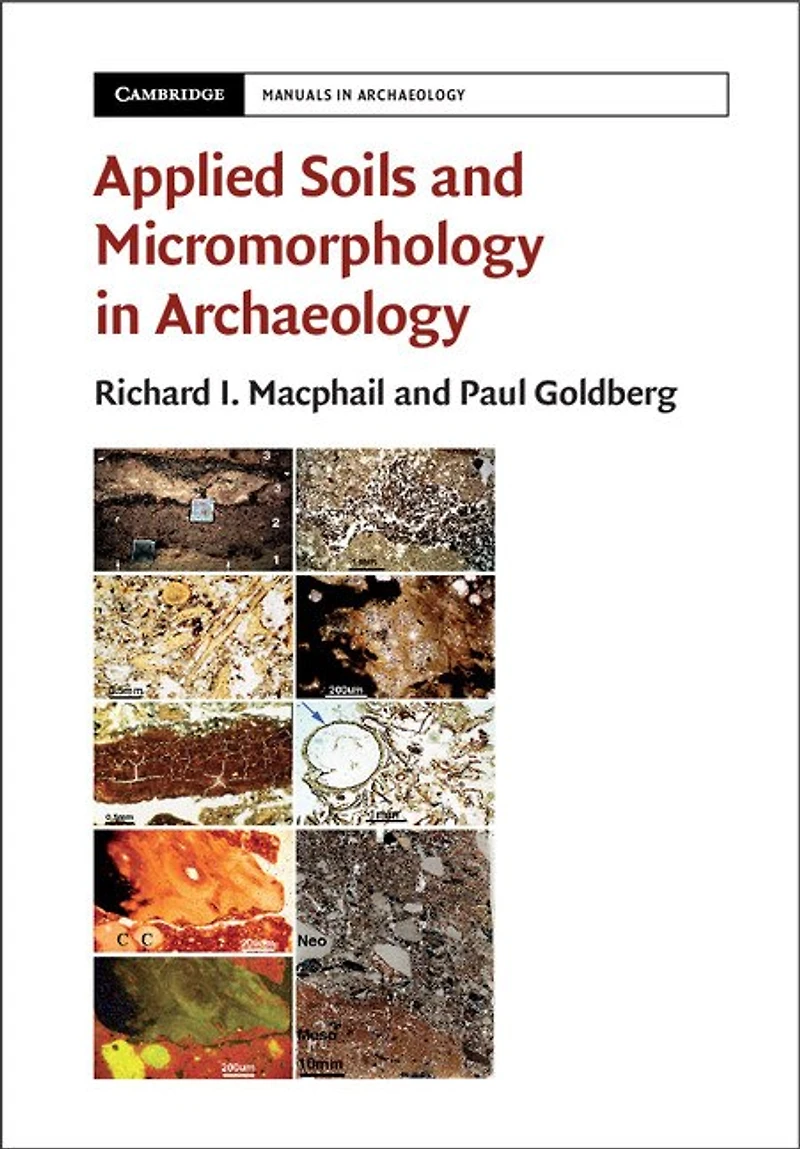
Applied Soils and Micromorphology in Archaeology provides the most up-to-date information on soil science and its applications in archaeology. Based on more than three decades of investigations and experiments, the volume demonstrates how description protocols and complimentary methods (SEM/EDS, microprobe, micro-FTIR, bulk soil chemistry, micro- and macrofossils) are used in interpretations. It also focuses on key topics, such as palaeosols, cultivation, and occupation surfaces, and introduces a range of current issues, such as site inundation, climate change, settlement morphology, herding, trackways, industrial processes, funerary features, and site transformation. Structured around important case studies, Applied Soils and Micromorphology in Archaeology is thoroughly-illustrated, with color plates and figures, tables and other ancillary materials on its website (www.cambridge.org/9781107011380); chapter appendices can be accessed separately using the web (www.geoarchaeology.info/asma). This new book will serve as an essential volume for all archaeological inquiry about soil.
Applied Soils and Micromorphology in Archaeology provides the most up-to-date information on soil science and its applications in archaeology. Based on more than three decades of investigations and experiments, the volume demonstrates how description protocols and complimentary methods (SEM/EDS, microprobe, micro-FTIR, bulk soil chemistry, micro- and macrofossils) are used in interpretations. It also focuses on key topics, such as palaeosols, cultivation, and occupation surfaces, and introduces a range of current issues, such as site inundation, climate change, settlement morphology, herding, trackways, industrial processes, funerary features, and site transformation. Structured around important case studies, Applied Soils and Micromorphology in Archaeology is thoroughly-illustrated, with color plates and figures, tables and other ancillary materials on its website (www.cambridge.org/9781107011380); chapter appendices can be accessed separately using the web (www.geoarchaeology.info/asma). This new book will serve as an essential volume for all archaeological inquiry about soil.
You May Also Like







More About Indigo at Erin Mills Town Centre
The largest book retailer in Canada also offers toys, music, home décor, gifts and lifestyle products. What's Inside...Books, Magazines, CD’s and DVD’s, Toys and Gifts, Home Accents, Electronics, Baby’s and Children’s Section, Bath and Body, Kitchen and Bedroom, Stationary Located outside in the exterior plaza.
5015 Glen Erin Dr, Mississauga, ON L5M 0R7, Canada
Find Indigo at Erin Mills Town Centre in Mississauga ON
Visit Indigo at Erin Mills Town Centre in Mississauga ON