

GIVE THE PERFECT GIFT
Erin Mills Town Centre Gift Cards are the perfect choice for your gift giving needs.Purchase gift cards at kiosks near the food court or centre court, at Guest Services, or click below to purchase online.PURCHASE HEREHome
Applying Complexity Theory: Whole Systems Approaches To Criminal Justice And Social Work
Indigo
Loading Inventory...
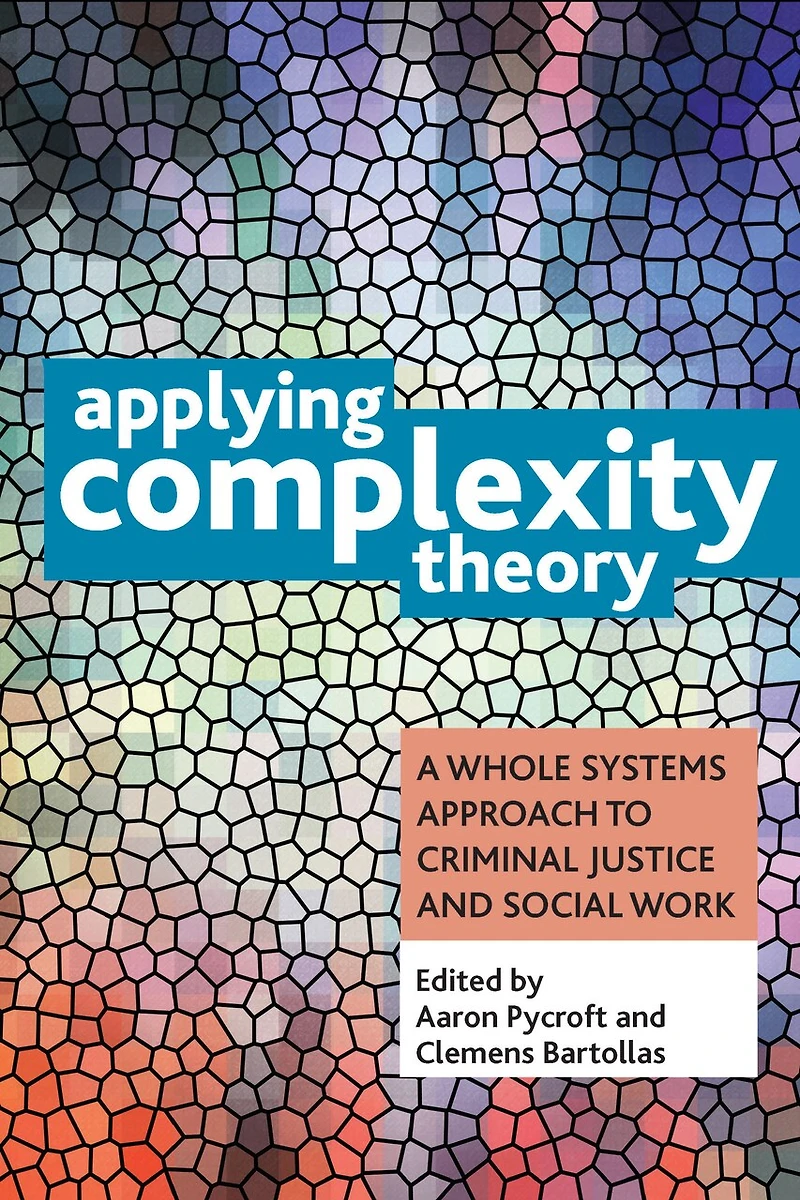
Applying Complexity Theory: Whole Systems Approaches To Criminal Justice And Social Work
Current price: $197.99

Applying Complexity Theory: Whole Systems Approaches To Criminal Justice And Social Work
Current price: $197.99
Loading Inventory...
Size: Paperback
*Product information may vary - to confirm product availability, pricing, shipping and return information please contact Indigo
Approaches based around complexity theory are increasingly being used in the study of organisations and the delivery of services. This is the first book to explore the application of complexity theory to difficult practice issues in criminal justice and social work and is intended to stimulate debate. It brings together experts in this emerging field to address complexity theory from a range of perspectives (positivist, realist, and constructivist), providing a detailed but accessible discussion of the key issues to whole systems approaches. The chapters cover theory and research on the nature of complex adaptive systems, their application to key areas of service delivery and the efficacy and ethics of criminal justice and social work interventions. The book argues for the usefulness of applying complexity theory to address significant and intractable social problems and also challenges the reductionist approaches to solving those problems currently favoured by policy makers. It will be of interest to academics and postgraduate students in social work and criminal justice.
Approaches based around complexity theory are increasingly being used in the study of organisations and the delivery of services. This is the first book to explore the application of complexity theory to difficult practice issues in criminal justice and social work and is intended to stimulate debate. It brings together experts in this emerging field to address complexity theory from a range of perspectives (positivist, realist, and constructivist), providing a detailed but accessible discussion of the key issues to whole systems approaches. The chapters cover theory and research on the nature of complex adaptive systems, their application to key areas of service delivery and the efficacy and ethics of criminal justice and social work interventions. The book argues for the usefulness of applying complexity theory to address significant and intractable social problems and also challenges the reductionist approaches to solving those problems currently favoured by policy makers. It will be of interest to academics and postgraduate students in social work and criminal justice.
You May Also Like














More About Indigo at Erin Mills Town Centre
The largest book retailer in Canada also offers toys, music, home décor, gifts and lifestyle products. What's Inside...Books, Magazines, CD’s and DVD’s, Toys and Gifts, Home Accents, Electronics, Baby’s and Children’s Section, Bath and Body, Kitchen and Bedroom, Stationary Located outside in the exterior plaza.
5015 Glen Erin Dr, Mississauga, ON L5M 0R7, Canada
Find Indigo at Erin Mills Town Centre in Mississauga ON
Visit Indigo at Erin Mills Town Centre in Mississauga ON