

GIVE THE PERFECT GIFT
Erin Mills Town Centre Gift Cards are the perfect choice for your gift giving needs.Purchase gift cards at kiosks near the food court or centre court, at Guest Services, or click below to purchase online.PURCHASE HEREHome
Approaches to emotion Middle English literature
Indigo
Loading Inventory...
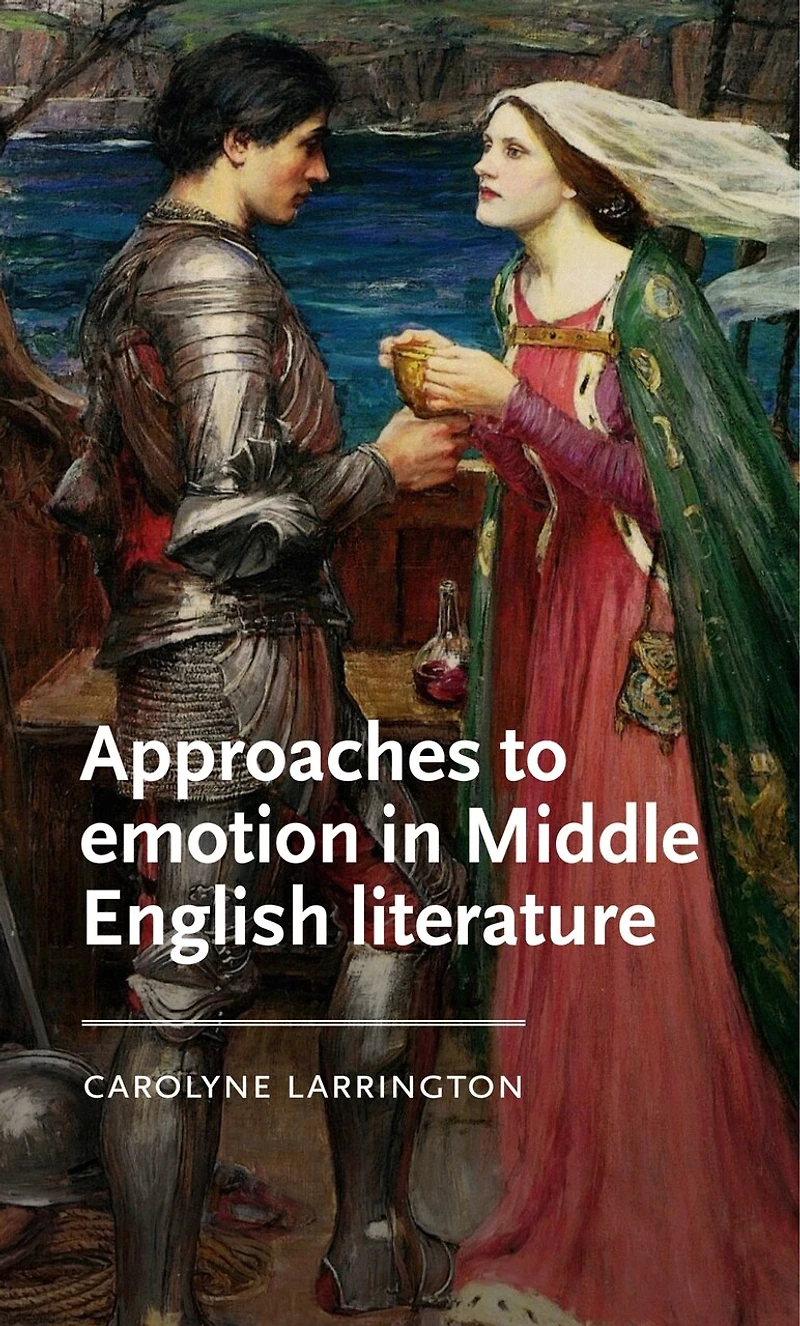
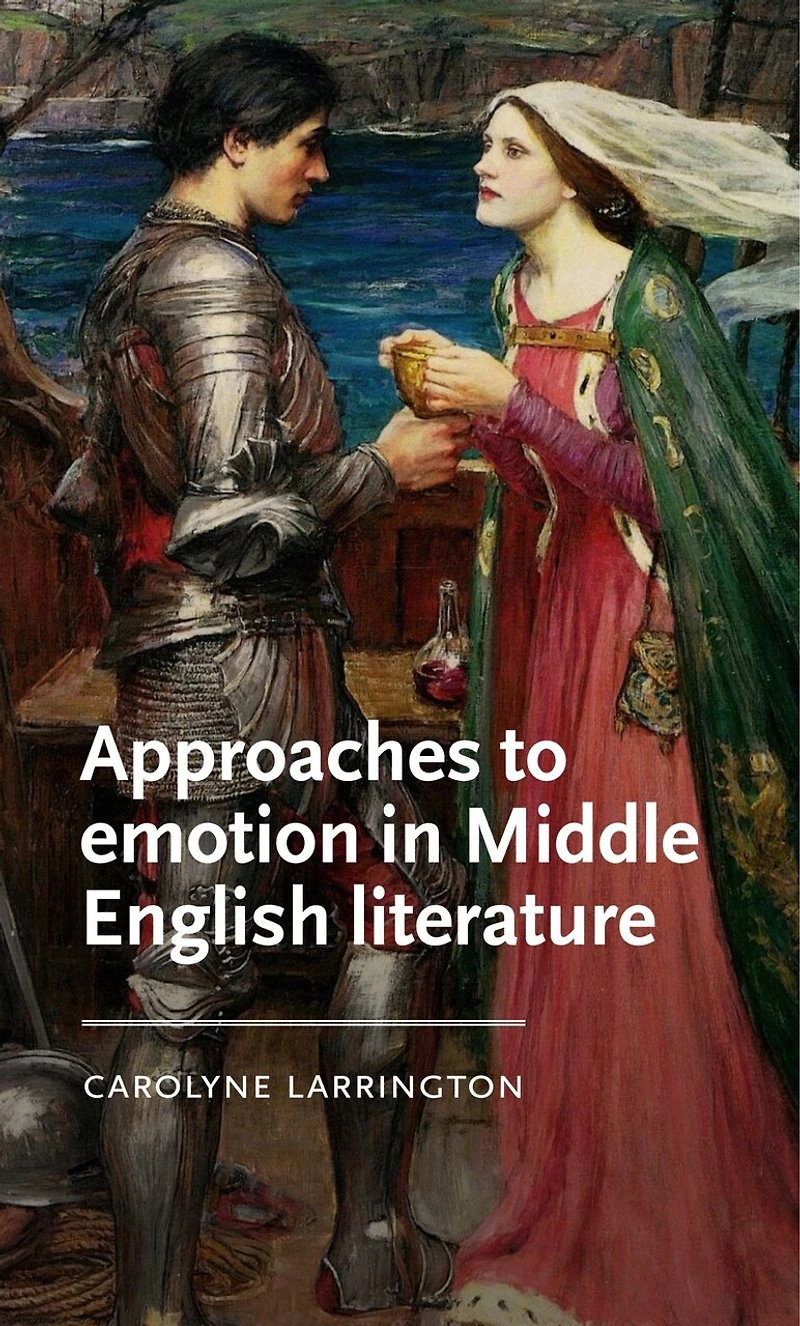
Approaches to emotion Middle English literature
Current price: $170.00

Approaches to emotion Middle English literature
Current price: $170.00
Loading Inventory...
Size: Hardcover
*Product information may vary - to confirm product availability, pricing, shipping and return information please contact Indigo
Over the last twenty-five years, the ‘history of emotion’ field has become one of the most dynamic and productive areas for humanities research. This designation, and the marked leadership of historians in the field, has had the unlooked-for consequence of sidelining literature — in particular secular literature — as evidence-source and object of emotion study. Secular literature, whether fable, novel, fantasy or romance, has been understood as prone to exaggeration, hyperbole, and thus as an unreliable indicator of the emotions of the past.
The aim of this book is to decentre history of emotion research and asks new questions, ones that can be answered by literary scholars, using literary texts as sources: how do literary texts understand and depict emotion and, crucially, how do they generate emotion in their audiences — those who read them or hear them read or performed?
Over the last twenty-five years, the ‘history of emotion’ field has become one of the most dynamic and productive areas for humanities research. This designation, and the marked leadership of historians in the field, has had the unlooked-for consequence of sidelining literature — in particular secular literature — as evidence-source and object of emotion study. Secular literature, whether fable, novel, fantasy or romance, has been understood as prone to exaggeration, hyperbole, and thus as an unreliable indicator of the emotions of the past.
The aim of this book is to decentre history of emotion research and asks new questions, ones that can be answered by literary scholars, using literary texts as sources: how do literary texts understand and depict emotion and, crucially, how do they generate emotion in their audiences — those who read them or hear them read or performed?
You May Also Like

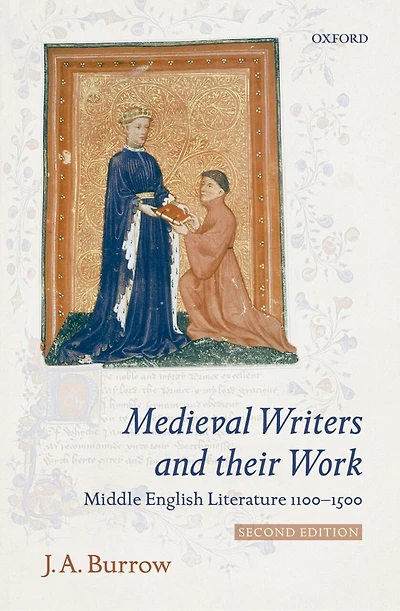








More About Indigo at Erin Mills Town Centre
The largest book retailer in Canada also offers toys, music, home décor, gifts and lifestyle products. What's Inside...Books, Magazines, CD’s and DVD’s, Toys and Gifts, Home Accents, Electronics, Baby’s and Children’s Section, Bath and Body, Kitchen and Bedroom, Stationary Located outside in the exterior plaza.
5015 Glen Erin Dr, Mississauga, ON L5M 0R7, Canada
Find Indigo at Erin Mills Town Centre in Mississauga ON
Visit Indigo at Erin Mills Town Centre in Mississauga ON