

GIVE THE PERFECT GIFT
Erin Mills Town Centre Gift Cards are the perfect choice for your gift giving needs.Purchase gift cards at kiosks near the food court or centre court, at Guest Services, or click below to purchase online.PURCHASE HEREHome
Approaches to Metaphony in the Languages of Italy
Indigo
Loading Inventory...
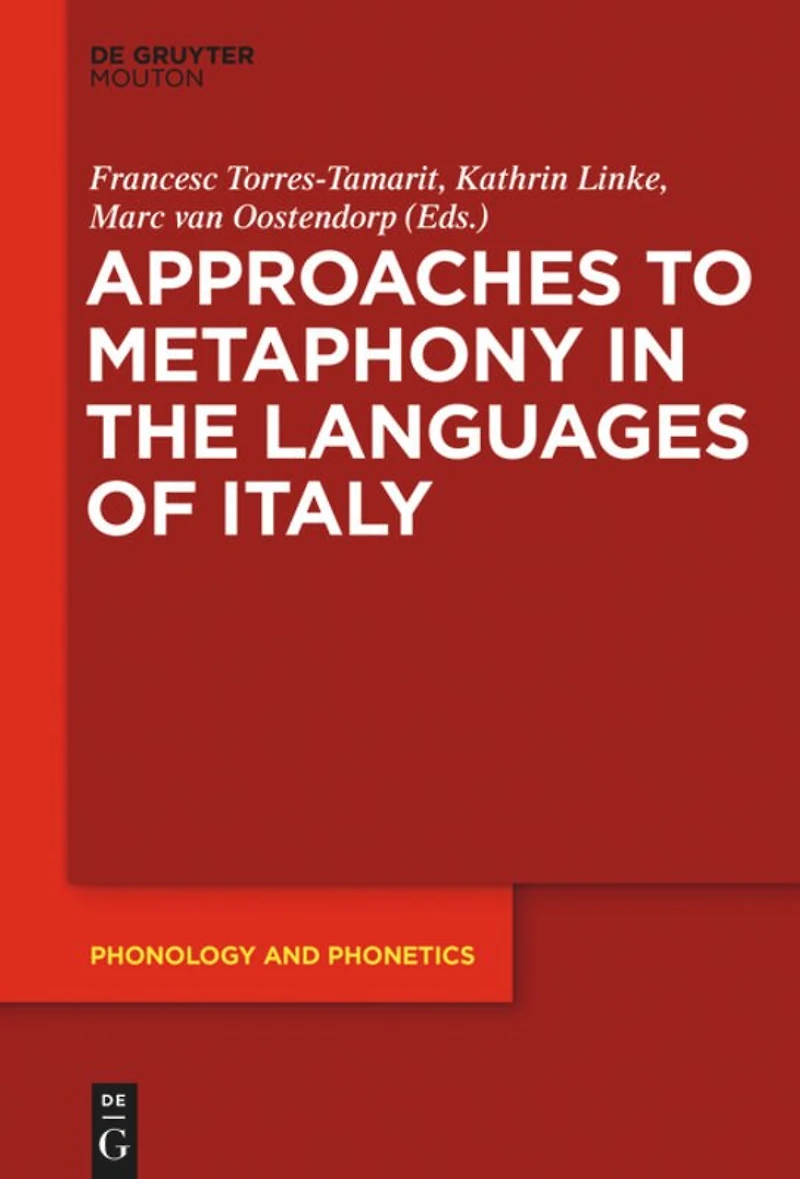
Approaches to Metaphony in the Languages of Italy
Current price: $269.99

Approaches to Metaphony in the Languages of Italy
Current price: $269.99
Loading Inventory...
Size: Hardcover
*Product information may vary - to confirm product availability, pricing, shipping and return information please contact Indigo
This volume presents current work on a topic in Romance linguistics that still informs linguistic theory to this day: metaphony in the languages of Italy. Papers discuss fundamental research topics such as phonological opacity in the light of chain shifts, post-tonic harmony and consonant transparency, the role of morphosyntax in the typology of metaphony, the explanatory adequacy of feature-based versus element-based analyses, and the locus of metaphony in grammar. Other chapters present new experimental data, thus building a more accurate empirical foundation for the study of metaphony. We envision the volume to become a reference book not only for an updated descriptive survey of metaphonic patterns in Italy but also a thorough discussion of the challenges that metaphony poses for different (morpho)phonological theories. The book bridges the gap between descriptive works and theoretical thinking in the study of metaphony.
This volume presents current work on a topic in Romance linguistics that still informs linguistic theory to this day: metaphony in the languages of Italy. Papers discuss fundamental research topics such as phonological opacity in the light of chain shifts, post-tonic harmony and consonant transparency, the role of morphosyntax in the typology of metaphony, the explanatory adequacy of feature-based versus element-based analyses, and the locus of metaphony in grammar. Other chapters present new experimental data, thus building a more accurate empirical foundation for the study of metaphony. We envision the volume to become a reference book not only for an updated descriptive survey of metaphonic patterns in Italy but also a thorough discussion of the challenges that metaphony poses for different (morpho)phonological theories. The book bridges the gap between descriptive works and theoretical thinking in the study of metaphony.
You May Also Like











More About Indigo at Erin Mills Town Centre
The largest book retailer in Canada also offers toys, music, home décor, gifts and lifestyle products. What's Inside...Books, Magazines, CD’s and DVD’s, Toys and Gifts, Home Accents, Electronics, Baby’s and Children’s Section, Bath and Body, Kitchen and Bedroom, Stationary Located outside in the exterior plaza.
5015 Glen Erin Dr, Mississauga, ON L5M 0R7, Canada
Find Indigo at Erin Mills Town Centre in Mississauga ON
Visit Indigo at Erin Mills Town Centre in Mississauga ON