

GIVE THE PERFECT GIFT
Erin Mills Town Centre Gift Cards are the perfect choice for your gift giving needs.Purchase gift cards at kiosks near the food court or centre court, at Guest Services, or click below to purchase online.PURCHASE HEREHome
Approaches to Teaching the Works of Orhan Pamuk
Indigo
Loading Inventory...
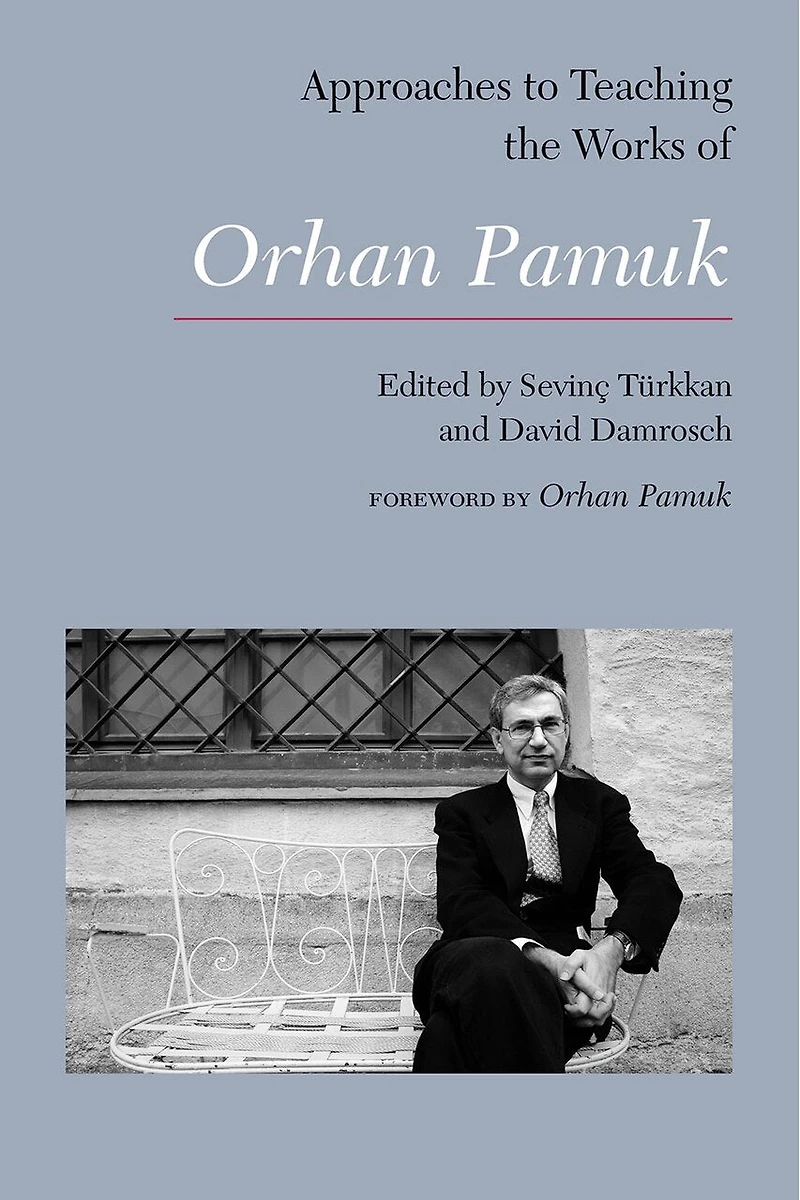
Approaches to Teaching the Works of Orhan Pamuk
Current price: $117.95

Approaches to Teaching the Works of Orhan Pamuk
Current price: $117.95
Loading Inventory...
Size: Hardcover
*Product information may vary - to confirm product availability, pricing, shipping and return information please contact Indigo
Winner of the Nobel Prize in Literature in 2006, Orhan Pamuk is Turkey's preeminent novelist and an internationally recognized figure of letters. Influenced by both Turkish and European literature, his works interrogate problems of modernity and of East and West in the Turkish context and incorporate the Ottoman legacy linguistically and thematically. The stylistic and thematic aspects of his novels, his intriguing use of intertextual elements, and his characters' metatextual commentaries make his work rewarding in courses on world literature and on the postmodern novel. Pamuk's nonfiction writings extend his themes of memory, loss, personal and political histories, and the craft of the novel.
Part 1, "Materials," provides biographical background and introduces instructors to translations and critical scholarship that will elucidate Pamuk's works. In part 2, "Approaches," essays cover topics that support teachers in a range of classrooms, including Pamuk's use of the Turkish language, the political background to Pamuk's novels, the politics of translation and aesthetics, and Pamuk's works as world literature.
Winner of the Nobel Prize in Literature in 2006, Orhan Pamuk is Turkey's preeminent novelist and an internationally recognized figure of letters. Influenced by both Turkish and European literature, his works interrogate problems of modernity and of East and West in the Turkish context and incorporate the Ottoman legacy linguistically and thematically. The stylistic and thematic aspects of his novels, his intriguing use of intertextual elements, and his characters' metatextual commentaries make his work rewarding in courses on world literature and on the postmodern novel. Pamuk's nonfiction writings extend his themes of memory, loss, personal and political histories, and the craft of the novel.
Part 1, "Materials," provides biographical background and introduces instructors to translations and critical scholarship that will elucidate Pamuk's works. In part 2, "Approaches," essays cover topics that support teachers in a range of classrooms, including Pamuk's use of the Turkish language, the political background to Pamuk's novels, the politics of translation and aesthetics, and Pamuk's works as world literature.
You May Also Like







More About Indigo at Erin Mills Town Centre
The largest book retailer in Canada also offers toys, music, home décor, gifts and lifestyle products. What's Inside...Books, Magazines, CD’s and DVD’s, Toys and Gifts, Home Accents, Electronics, Baby’s and Children’s Section, Bath and Body, Kitchen and Bedroom, Stationary Located outside in the exterior plaza.
5015 Glen Erin Dr, Mississauga, ON L5M 0R7, Canada
Find Indigo at Erin Mills Town Centre in Mississauga ON
Visit Indigo at Erin Mills Town Centre in Mississauga ON