

GIVE THE PERFECT GIFT
Erin Mills Town Centre Gift Cards are the perfect choice for your gift giving needs.Purchase gift cards at kiosks near the food court or centre court, at Guest Services, or click below to purchase online.PURCHASE HEREHome
Approaching the Interval in the Early Modern Theatre: The Significance of the 'Act-Time'
Indigo
Loading Inventory...
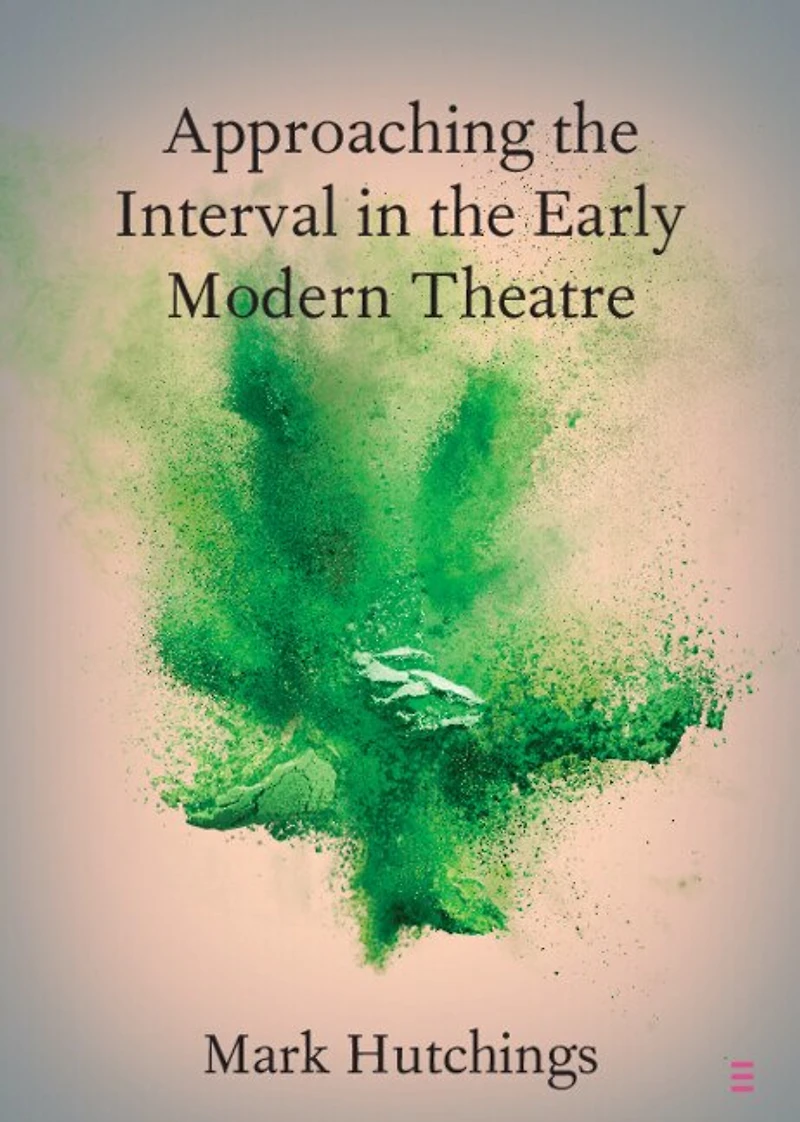
Approaching the Interval in the Early Modern Theatre: The Significance of the 'Act-Time'
Current price: $29.54

Approaching the Interval in the Early Modern Theatre: The Significance of the 'Act-Time'
Current price: $29.54
Loading Inventory...
Size: Paperback
*Product information may vary - to confirm product availability, pricing, shipping and return information please contact Indigo
In requiring artificial light, the early modern indoor theatre had to interrupt the action so that the candles could be attended to, if necessary. The origin of the five-act, four-interval play was not classical drama but candle technology. This Element explores the implications of this aspect of playmaking. Drawing on evidence in surviving texts it explores how the interval affected composition and stagecraft, how it provided opportunities for stage-sitters, and how amphitheatre plays were converted for indoor performance (and vice versa). Recovering the interval yields new insights into familiar texts and brings into the foreground interesting examples of how the interval functioned in lesser-known plays. This Element concludes with a discussion of how this aspect of theatre might feed into the debate over the King's Men's repertory management in its Globe-Blackfriars years and sets out the wider implications for both the modern theatre and the academy.
In requiring artificial light, the early modern indoor theatre had to interrupt the action so that the candles could be attended to, if necessary. The origin of the five-act, four-interval play was not classical drama but candle technology. This Element explores the implications of this aspect of playmaking. Drawing on evidence in surviving texts it explores how the interval affected composition and stagecraft, how it provided opportunities for stage-sitters, and how amphitheatre plays were converted for indoor performance (and vice versa). Recovering the interval yields new insights into familiar texts and brings into the foreground interesting examples of how the interval functioned in lesser-known plays. This Element concludes with a discussion of how this aspect of theatre might feed into the debate over the King's Men's repertory management in its Globe-Blackfriars years and sets out the wider implications for both the modern theatre and the academy.
You May Also Like








More About Indigo at Erin Mills Town Centre
The largest book retailer in Canada also offers toys, music, home décor, gifts and lifestyle products. What's Inside...Books, Magazines, CD’s and DVD’s, Toys and Gifts, Home Accents, Electronics, Baby’s and Children’s Section, Bath and Body, Kitchen and Bedroom, Stationary Located outside in the exterior plaza.
5015 Glen Erin Dr, Mississauga, ON L5M 0R7, Canada
Find Indigo at Erin Mills Town Centre in Mississauga ON
Visit Indigo at Erin Mills Town Centre in Mississauga ON