

GIVE THE PERFECT GIFT
Erin Mills Town Centre Gift Cards are the perfect choice for your gift giving needs.Purchase gift cards at kiosks near the food court or centre court, at Guest Services, or click below to purchase online.PURCHASE HEREHome
Aquatic Insects in the Vicinity of the Black Hills, South Dakota and Wyoming
Indigo
Loading Inventory...
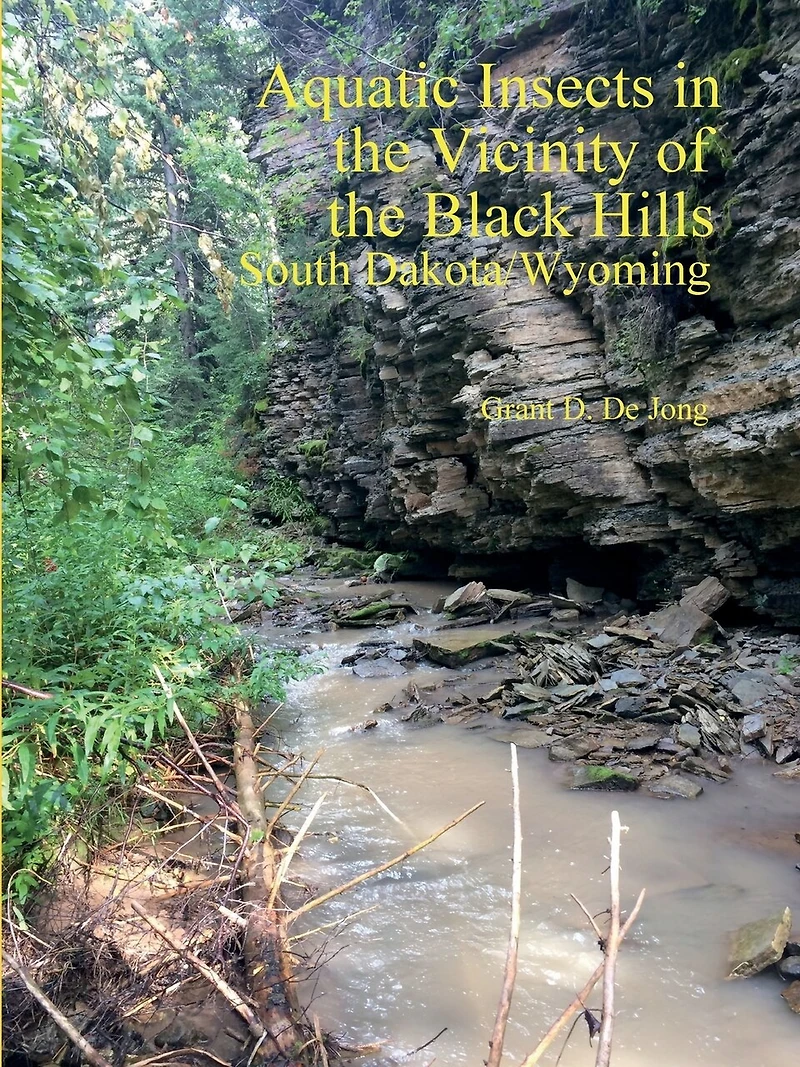
Aquatic Insects in the Vicinity of the Black Hills, South Dakota and Wyoming
Current price: $28.95

Aquatic Insects in the Vicinity of the Black Hills, South Dakota and Wyoming
Current price: $28.95
Loading Inventory...
Size: Paperback
*Product information may vary - to confirm product availability, pricing, shipping and return information please contact Indigo
The Black Hills, straddling the border between southwestern South Dakota and northeastern Wyoming, represent an ecological "island" of mountainous terrain in the midst of the Great Plains. Streams, rivers, lakes, and ponds are abundant, yet the aquatic insect fauna inhabiting those ecosystems has not previously been compiled in a single document. This work demonstrates that the known fauna of 95 families, 335 genera, and 447 species-level aquatic insect taxa has a curious mix of eastern, western, northern, and southern biogeographic affinities, yet many significant data gaps remain, and this work can only represent a starting point. The Black Hills beckon more curious naturalists to come and add to our knowledge.
The Black Hills, straddling the border between southwestern South Dakota and northeastern Wyoming, represent an ecological "island" of mountainous terrain in the midst of the Great Plains. Streams, rivers, lakes, and ponds are abundant, yet the aquatic insect fauna inhabiting those ecosystems has not previously been compiled in a single document. This work demonstrates that the known fauna of 95 families, 335 genera, and 447 species-level aquatic insect taxa has a curious mix of eastern, western, northern, and southern biogeographic affinities, yet many significant data gaps remain, and this work can only represent a starting point. The Black Hills beckon more curious naturalists to come and add to our knowledge.
You May Also Like












More About Indigo at Erin Mills Town Centre
The largest book retailer in Canada also offers toys, music, home décor, gifts and lifestyle products. What's Inside...Books, Magazines, CD’s and DVD’s, Toys and Gifts, Home Accents, Electronics, Baby’s and Children’s Section, Bath and Body, Kitchen and Bedroom, Stationary Located outside in the exterior plaza.
5015 Glen Erin Dr, Mississauga, ON L5M 0R7, Canada
Find Indigo at Erin Mills Town Centre in Mississauga ON
Visit Indigo at Erin Mills Town Centre in Mississauga ON