

GIVE THE PERFECT GIFT
Erin Mills Town Centre Gift Cards are the perfect choice for your gift giving needs.Purchase gift cards at kiosks near the food court or centre court, at Guest Services, or click below to purchase online.PURCHASE HEREHome
Archaeology and the Pan-European Romanesque
Indigo
Loading Inventory...
Archaeology and the Pan-European Romanesque
Current price: $38.89
Original price: $48.55

Archaeology and the Pan-European Romanesque
Current price: $38.89
Original price: $48.55
Loading Inventory...
Size: Kobo eBook
*Product information may vary - to confirm product availability, pricing, shipping and return information please contact Indigo
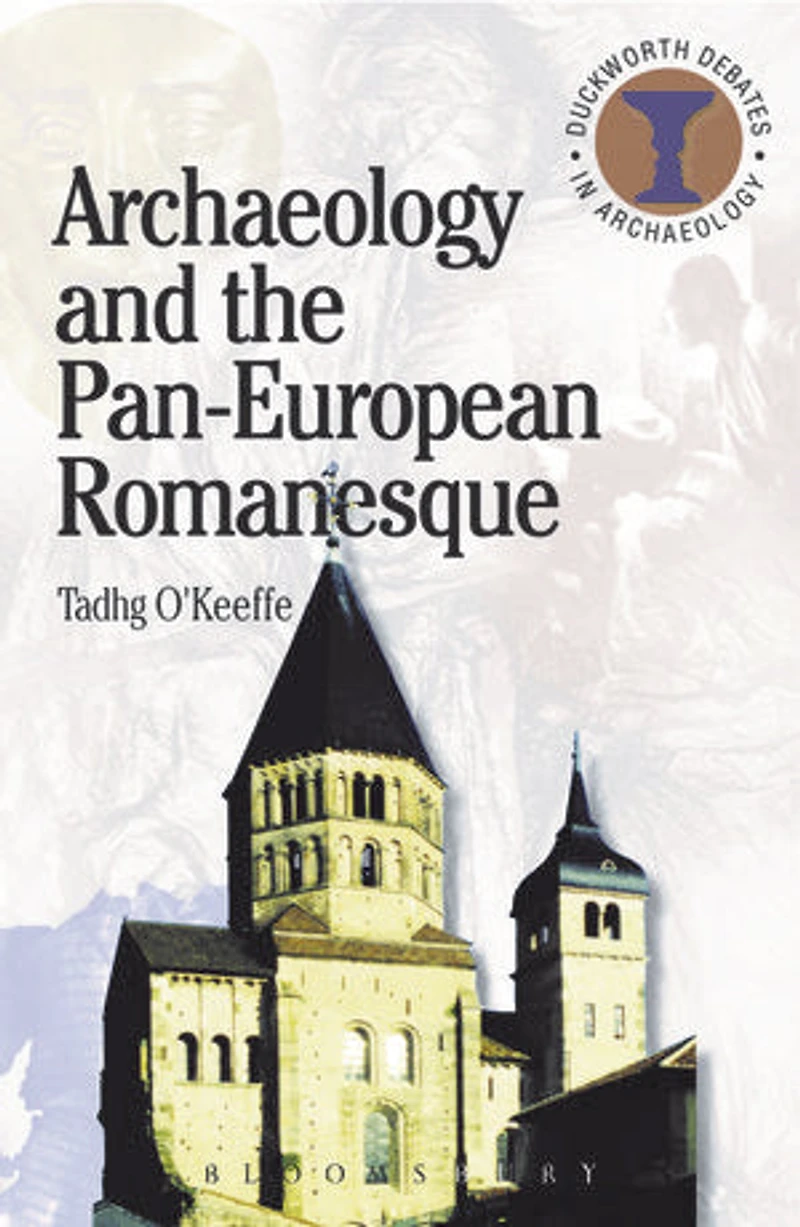
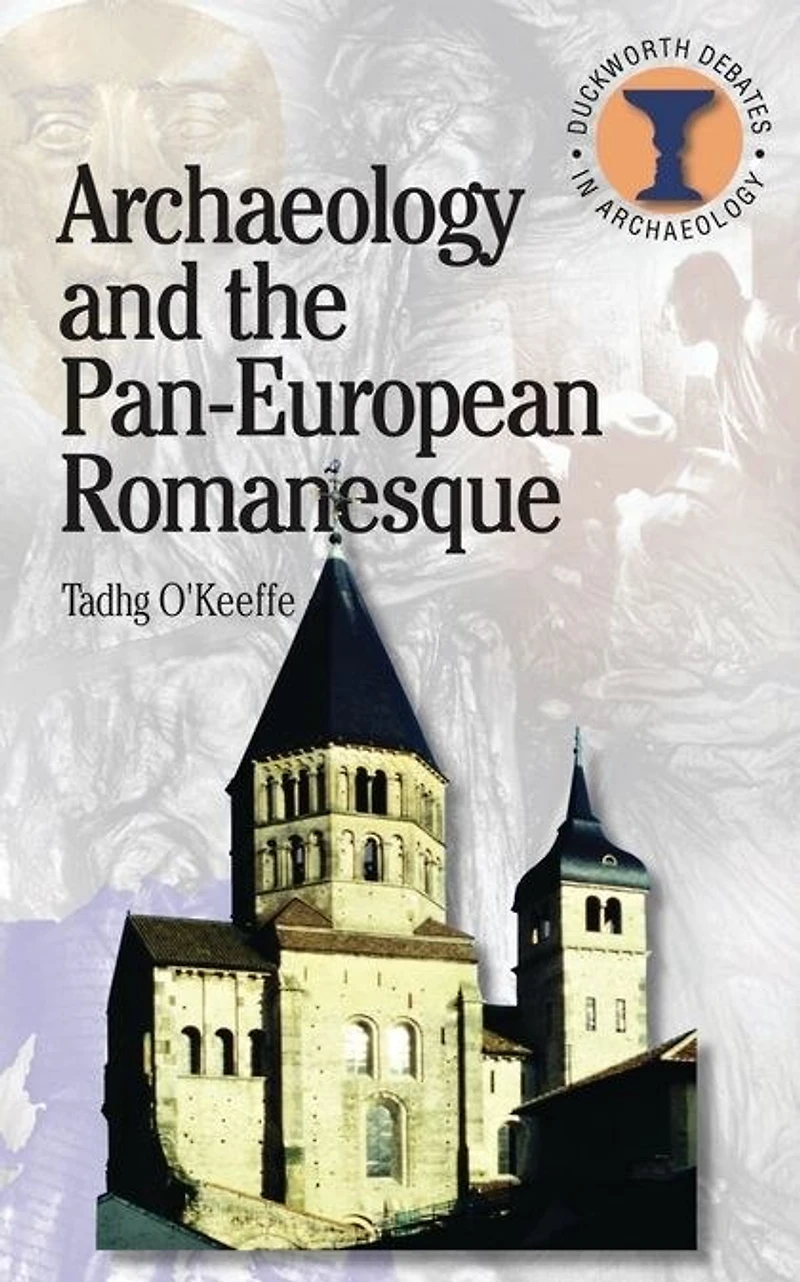
Romanesque is the style name given to the art and architecture of Europe in the eleventh and twelfth centuries. First used in the early nineteenth century to express the perceived indebtedness of the visual-artistic and architectural cultures of this period to their Classical antecedents, the term has survived two centuries of increasingly sophisticated readings of the relevant medieval buildings and objet d'art. The study of Romanesque as a stylistic phenomenon is now almost exclusively the preserve of art historians, particularly in the English-speaking world. Here 'the Romanesque' is subjected to a long overdue, theoretically-informed, archaeological inquiry. The ideological foundations and epistemological boundaries of Romanesque scholarship are critiqued, and the constructs of 'Romanesque' and 'Europe' are deconstructed, and alternative strategies for interpreting Romanesque's constituent material are mapped out. This book should, at the very least, illuminate the need for debate.
Romanesque is the style name given to the art and architecture of Europe in the eleventh and twelfth centuries. First used in the early nineteenth century to express the perceived indebtedness of the visual-artistic and architectural cultures of this period to their Classical antecedents, the term has survived two centuries of increasingly sophisticated readings of the relevant medieval buildings and objet d'art. The study of Romanesque as a stylistic phenomenon is now almost exclusively the preserve of art historians, particularly in the English-speaking world. Here 'the Romanesque' is subjected to a long overdue, theoretically-informed, archaeological inquiry. The ideological foundations and epistemological boundaries of Romanesque scholarship are critiqued, and the constructs of 'Romanesque' and 'Europe' are deconstructed, and alternative strategies for interpreting Romanesque's constituent material are mapped out. This book should, at the very least, illuminate the need for debate.
You May Also Like







More About Indigo at Erin Mills Town Centre
The largest book retailer in Canada also offers toys, music, home décor, gifts and lifestyle products. What's Inside...Books, Magazines, CD’s and DVD’s, Toys and Gifts, Home Accents, Electronics, Baby’s and Children’s Section, Bath and Body, Kitchen and Bedroom, Stationary Located outside in the exterior plaza.
5015 Glen Erin Dr, Mississauga, ON L5M 0R7, Canada
Find Indigo at Erin Mills Town Centre in Mississauga ON
Visit Indigo at Erin Mills Town Centre in Mississauga ON