

GIVE THE PERFECT GIFT
Erin Mills Town Centre Gift Cards are the perfect choice for your gift giving needs.Purchase gift cards at kiosks near the food court or centre court, at Guest Services, or click below to purchase online.PURCHASE HEREHome
Architectural Acoustics
Indigo
Loading Inventory...
Architectural Acoustics
Current price: $65.00

Architectural Acoustics
Current price: $65.00
Loading Inventory...
Size: Paperback
*Product information may vary - to confirm product availability, pricing, shipping and return information please contact Indigo
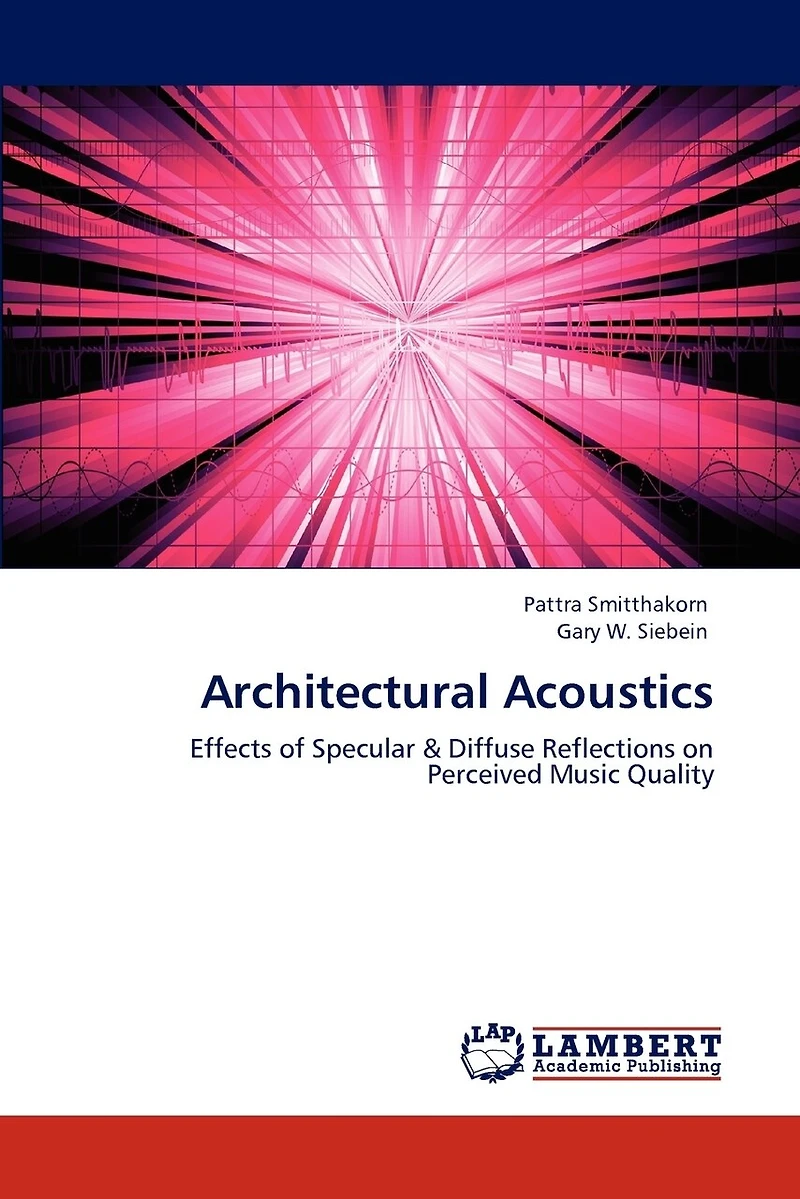
Sets of impulse responses were designed/simulated with different temporal distributions of early acoustic energy (specular and diffuse reflections); then, three types of anechoic sound sources: orchestral music, trumpet, and piano were convolved with the designed impulse responses. The results from the listening tests revealed that different room environments were needed to acoustically support different source characteristics: 1) A large number of diffuse reflections arriving within 40 and 80 msec of the direct sound improved perceived "intimacy", "texture", and "overall impression" for all sound sources; heightened perceived "clarity" for trumpet and piano; and reduced perceived "glare" for trumpet. 2) Diffuse reflections arriving between 80-160 msec of the direct sound preserved perceived "reverberance" and reduced perceived "echoes" as opposed to specular reflections arriving at the same time period. The results of this study indicated that music performance halls should be designed to include diffuse reflections from surfaces within the 80 msec time period to achieve preferred texture, intimacy, clarity and overall impression and in the 160 msec time period to reduce echoes.
Sets of impulse responses were designed/simulated with different temporal distributions of early acoustic energy (specular and diffuse reflections); then, three types of anechoic sound sources: orchestral music, trumpet, and piano were convolved with the designed impulse responses. The results from the listening tests revealed that different room environments were needed to acoustically support different source characteristics: 1) A large number of diffuse reflections arriving within 40 and 80 msec of the direct sound improved perceived "intimacy", "texture", and "overall impression" for all sound sources; heightened perceived "clarity" for trumpet and piano; and reduced perceived "glare" for trumpet. 2) Diffuse reflections arriving between 80-160 msec of the direct sound preserved perceived "reverberance" and reduced perceived "echoes" as opposed to specular reflections arriving at the same time period. The results of this study indicated that music performance halls should be designed to include diffuse reflections from surfaces within the 80 msec time period to achieve preferred texture, intimacy, clarity and overall impression and in the 160 msec time period to reduce echoes.
You May Also Like











More About Indigo at Erin Mills Town Centre
The largest book retailer in Canada also offers toys, music, home décor, gifts and lifestyle products. What's Inside...Books, Magazines, CD’s and DVD’s, Toys and Gifts, Home Accents, Electronics, Baby’s and Children’s Section, Bath and Body, Kitchen and Bedroom, Stationary Located outside in the exterior plaza.
5015 Glen Erin Dr, Mississauga, ON L5M 0R7, Canada
Find Indigo at Erin Mills Town Centre in Mississauga ON
Visit Indigo at Erin Mills Town Centre in Mississauga ON