

GIVE THE PERFECT GIFT
Erin Mills Town Centre Gift Cards are the perfect choice for your gift giving needs.Purchase gift cards at kiosks near the food court or centre court, at Guest Services, or click below to purchase online.PURCHASE HEREHome
Architectures of Bureaucracy: The Politics of Government Office Buildings in Interwar Belgium
Indigo
Loading Inventory...
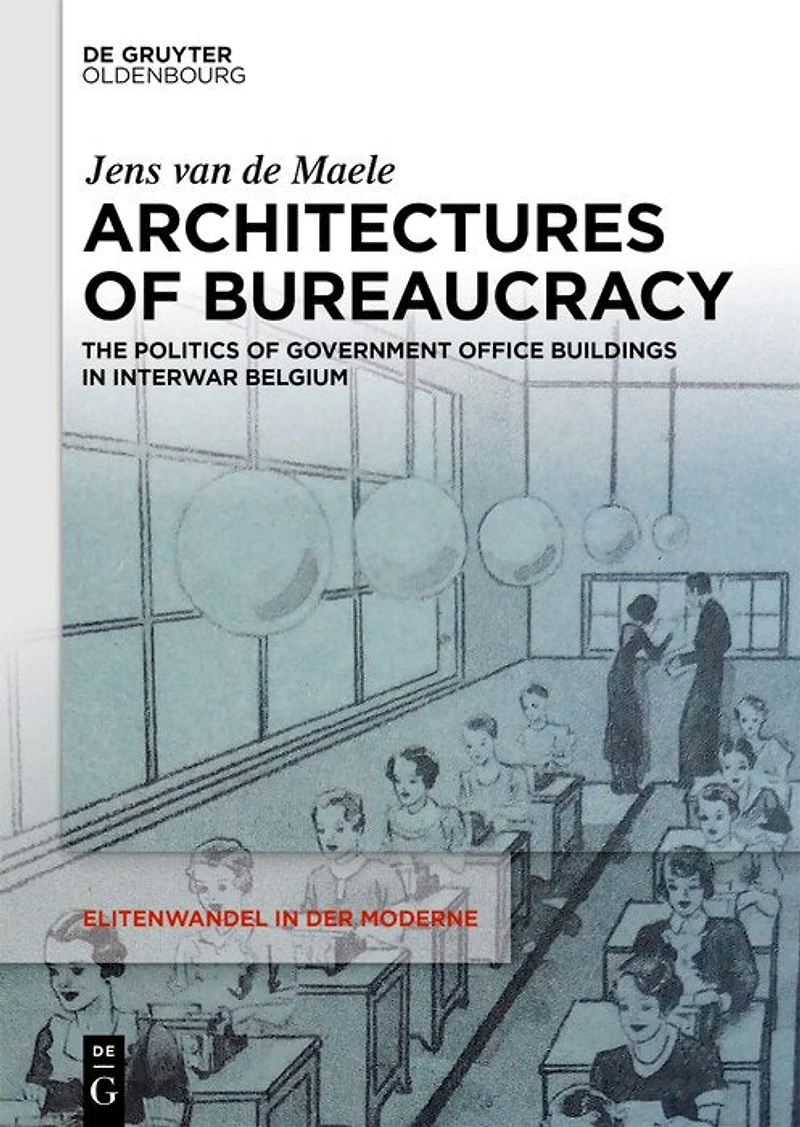
Architectures of Bureaucracy: The Politics of Government Office Buildings in Interwar Belgium
Current price: $121.99

Architectures of Bureaucracy: The Politics of Government Office Buildings in Interwar Belgium
Current price: $121.99
Loading Inventory...
Size: Hardcover
*Product information may vary - to confirm product availability, pricing, shipping and return information please contact Indigo
This monograph examines the interrelationship between politics and modernist architecture in interwar Belgium, focusing on political, architectural, and administrative elites as propagators of new ideas of governance. While Belgium was strongly influenced by neighbouring France and Germany, it also developed its own avant-garde approaches to socio-political problems. In the second half of the 1930s, the country was the scene of a remarkable political and architectural experiment involving an ambitious plan for the large-scale construction of modernist government office buildings. These buildings were seen as essential to the development of a technocratic model of governance, aimed at strengthening the role of the executive and minimising the influence of parliament. More specifically, the “efficient” new office architecture was supposed to create a new type of “perfect” civil servant, whose loyalties would no longer lie with political parties, but with scientists and management experts. Such experts and scientists constituted a rising elite of homines novi with strong (though often veiled) political ambitions. As such, this book contributes to our understanding of political culture in the “age of extremes”.
This monograph examines the interrelationship between politics and modernist architecture in interwar Belgium, focusing on political, architectural, and administrative elites as propagators of new ideas of governance. While Belgium was strongly influenced by neighbouring France and Germany, it also developed its own avant-garde approaches to socio-political problems. In the second half of the 1930s, the country was the scene of a remarkable political and architectural experiment involving an ambitious plan for the large-scale construction of modernist government office buildings. These buildings were seen as essential to the development of a technocratic model of governance, aimed at strengthening the role of the executive and minimising the influence of parliament. More specifically, the “efficient” new office architecture was supposed to create a new type of “perfect” civil servant, whose loyalties would no longer lie with political parties, but with scientists and management experts. Such experts and scientists constituted a rising elite of homines novi with strong (though often veiled) political ambitions. As such, this book contributes to our understanding of political culture in the “age of extremes”.
You May Also Like








More About Indigo at Erin Mills Town Centre
The largest book retailer in Canada also offers toys, music, home décor, gifts and lifestyle products. What's Inside...Books, Magazines, CD’s and DVD’s, Toys and Gifts, Home Accents, Electronics, Baby’s and Children’s Section, Bath and Body, Kitchen and Bedroom, Stationary Located outside in the exterior plaza.
5015 Glen Erin Dr, Mississauga, ON L5M 0R7, Canada
Find Indigo at Erin Mills Town Centre in Mississauga ON
Visit Indigo at Erin Mills Town Centre in Mississauga ON