

GIVE THE PERFECT GIFT
Erin Mills Town Centre Gift Cards are the perfect choice for your gift giving needs.Purchase gift cards at kiosks near the food court or centre court, at Guest Services, or click below to purchase online.PURCHASE HEREHome
Architectures of Life and Death: the Eco-Aesthetics Built Environment
Indigo
Loading Inventory...
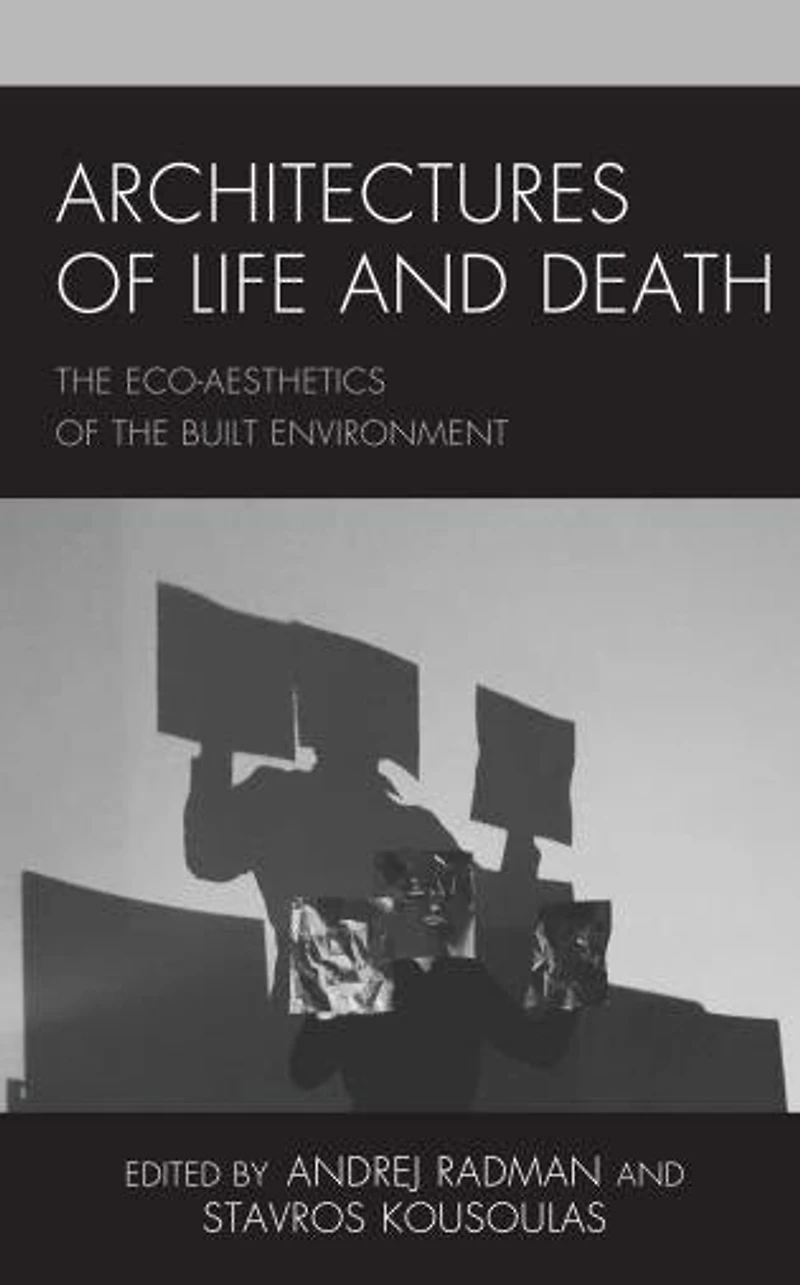
Architectures of Life and Death: the Eco-Aesthetics Built Environment
Current price: $175.50

Architectures of Life and Death: the Eco-Aesthetics Built Environment
Current price: $175.50
Loading Inventory...
Size: Hardcover
*Product information may vary - to confirm product availability, pricing, shipping and return information please contact Indigo
Driven by the Foucauldian attitude of subsuming architectural history into a genealogy of techne, Architectures of Life and Death advances a transdisciplinary approach rethinking subjectivity and exploring the political ramifications of these processes for the discipline of architecture and beyond. In contrast to mainstream approaches, architecture will not be seen as representative of culture, but as the mechanism of culture, the 'collective equipment' that rests on the reciprocal determination of social habits and technological habitats. In this sense, the idea that we shape our environments, therefore they shape us, is not to be taken as a metaphor. The animate has always been utterly dependent on the inanimate. A livable habitat is one which the inhabitant actively co-evolves with and which does not constitute a ready-made condition to which the inhabitant would simply have to passively adapt.
Driven by the Foucauldian attitude of subsuming architectural history into a genealogy of techne, Architectures of Life and Death advances a transdisciplinary approach rethinking subjectivity and exploring the political ramifications of these processes for the discipline of architecture and beyond. In contrast to mainstream approaches, architecture will not be seen as representative of culture, but as the mechanism of culture, the 'collective equipment' that rests on the reciprocal determination of social habits and technological habitats. In this sense, the idea that we shape our environments, therefore they shape us, is not to be taken as a metaphor. The animate has always been utterly dependent on the inanimate. A livable habitat is one which the inhabitant actively co-evolves with and which does not constitute a ready-made condition to which the inhabitant would simply have to passively adapt.
You May Also Like












More About Indigo at Erin Mills Town Centre
The largest book retailer in Canada also offers toys, music, home décor, gifts and lifestyle products. What's Inside...Books, Magazines, CD’s and DVD’s, Toys and Gifts, Home Accents, Electronics, Baby’s and Children’s Section, Bath and Body, Kitchen and Bedroom, Stationary Located outside in the exterior plaza.
5015 Glen Erin Dr, Mississauga, ON L5M 0R7, Canada
Find Indigo at Erin Mills Town Centre in Mississauga ON
Visit Indigo at Erin Mills Town Centre in Mississauga ON