

GIVE THE PERFECT GIFT
Erin Mills Town Centre Gift Cards are the perfect choice for your gift giving needs.Purchase gift cards at kiosks near the food court or centre court, at Guest Services, or click below to purchase online.PURCHASE HEREHome
Areopagitica: A speech for the Liberty of Unlicensed Printing, to the Parlament of England (Annotated
Indigo
Loading Inventory...
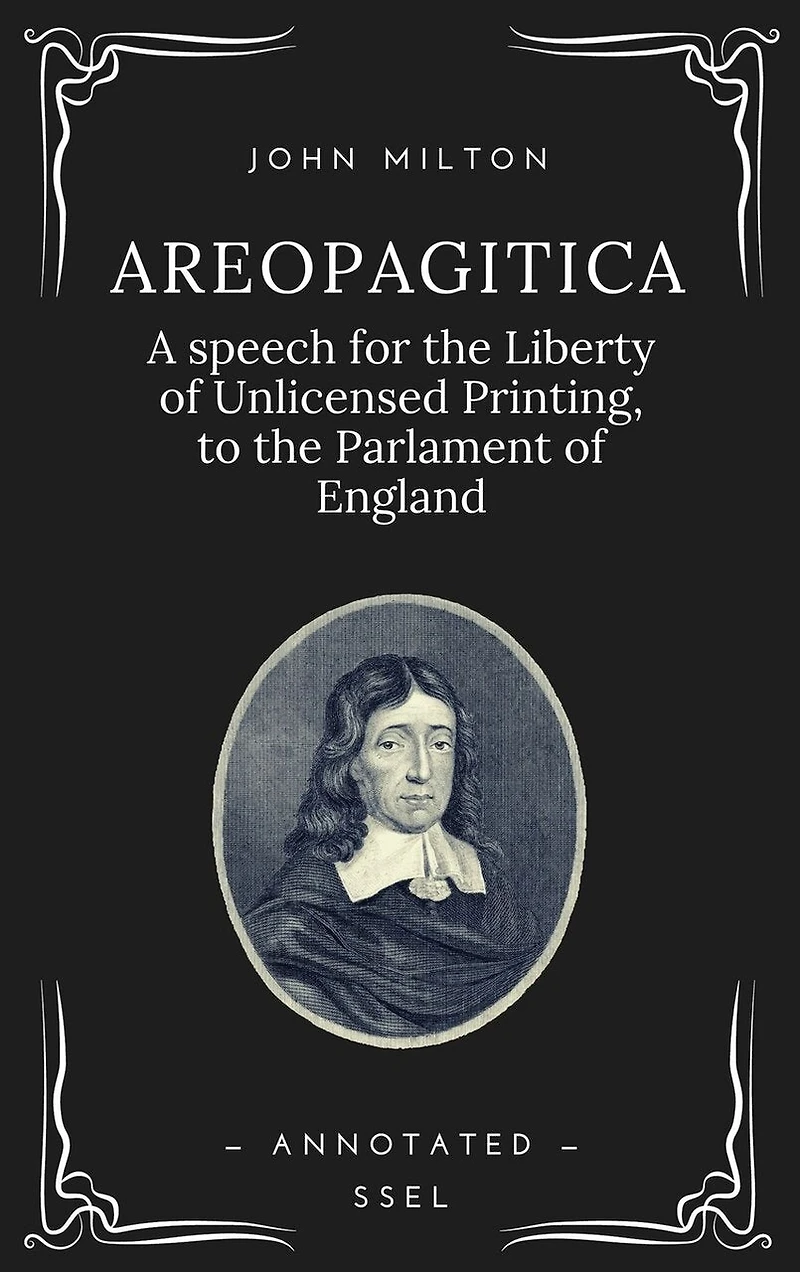
Areopagitica: A speech for the Liberty of Unlicensed Printing, to the Parlament of England (Annotated
Current price: $20.94

Areopagitica: A speech for the Liberty of Unlicensed Printing, to the Parlament of England (Annotated
Current price: $20.94
Loading Inventory...
Size: Large Print
*Product information may vary - to confirm product availability, pricing, shipping and return information please contact Indigo
From the introduction of printing into England, the liberty of the press had been modified from time to time by royal proclamations. In 1557 the Stationers' Company of London was formed. The exclusive privilege of printing and publishing in the English dominions was given to 97 London stationers and their successors by regular apprenticeship. All printing was thus centralised in London under the immediate inspection of the Government. No one could legally print, without special license, who did not belong to the Stationers' Company. The Company had power to search for and to seize publications which infringed their privilege.
In November, 1644, Milton's Areopagitica, a plea for the free expression of opinion, was published as a protest against this Order. It is a pamphlet in the form of a speech supposed to be addressed to the Parliament.
This Premium edition is annotated with a commentary by Sir R. C Jebb and a biography by A. W Verity. It also comes with a beautiful layout that makes reading comfortable.
From the introduction of printing into England, the liberty of the press had been modified from time to time by royal proclamations. In 1557 the Stationers' Company of London was formed. The exclusive privilege of printing and publishing in the English dominions was given to 97 London stationers and their successors by regular apprenticeship. All printing was thus centralised in London under the immediate inspection of the Government. No one could legally print, without special license, who did not belong to the Stationers' Company. The Company had power to search for and to seize publications which infringed their privilege.
In November, 1644, Milton's Areopagitica, a plea for the free expression of opinion, was published as a protest against this Order. It is a pamphlet in the form of a speech supposed to be addressed to the Parliament.
This Premium edition is annotated with a commentary by Sir R. C Jebb and a biography by A. W Verity. It also comes with a beautiful layout that makes reading comfortable.
You May Also Like













More About Indigo at Erin Mills Town Centre
The largest book retailer in Canada also offers toys, music, home décor, gifts and lifestyle products. What's Inside...Books, Magazines, CD’s and DVD’s, Toys and Gifts, Home Accents, Electronics, Baby’s and Children’s Section, Bath and Body, Kitchen and Bedroom, Stationary Located outside in the exterior plaza.
5015 Glen Erin Dr, Mississauga, ON L5M 0R7, Canada
Find Indigo at Erin Mills Town Centre in Mississauga ON
Visit Indigo at Erin Mills Town Centre in Mississauga ON